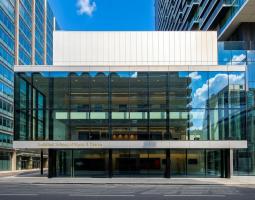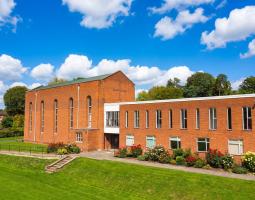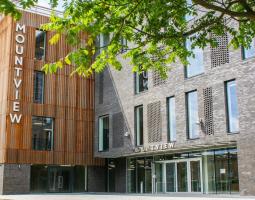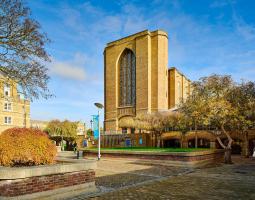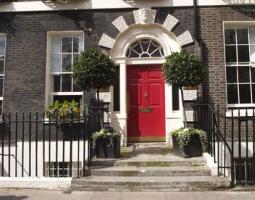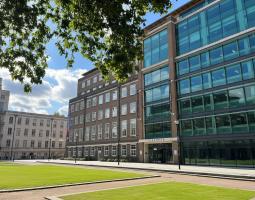
Courtauld Institute of Art in London



In the process of preparing the material, we referenced the following sources: Wikipedia, Londonworld, Britannica, The Complete University Guide, London.ac.uk
Programs and prices, tuition fees in Courtauld Institute of Art in London


Bachelor’s degree programmes
- Age of students — from 18 years old,
- Duration of study — three years.
The Courtauld Institute of Art offers one bachelor’s degree programme — “History of Art”. Students will have the opportunity to study art and architecture from all over the world: from late antiquity to the present day, from Byzantium to the early modern Islamic world, from medieval and Renaissance Europe to international modernism, from modern China to the history of Black art.
Over three years of study, a bachelor’s degree provides a broad, deep, and multifaceted understanding of the history of art. All faculty members are researchers in their respective fields and bring their knowledge, discoveries, and ideas to discussions during seminars, lectures, and gallery visits.
Each year, students will complete a combination of mandatory and elective modules, which will total 120 credits, and the entire degree will amount to 360 credits.
- The first year will lay a solid foundation in the subject through modules that will introduce students to a range of periods, places, and methods, as well as to classes held in London’s art collections.
- In the second year of study, two main modules will be studied: one focuses on the study of works of art as physical objects, and the other on the role of museums, galleries, and exhibitions in society. Alongside these, a number of additional disciplines are offered for self‑study.
- In the final year of study, students will be able to express their preferences for additional elective courses and also engage in their own research project, which will culminate in a dissertation.
Throughout the entire course of study, students will be supported by a personal mentor who will organize regular individual meetings to discuss academic progress.
Master’s programmes
- Age of students — from 21 years old,
- Duration of study— from 9 months to three years.
The Courtauld Institute of Art London offers several master’s specialisations in various fields of art:
- Art history,
- Art and business,
- Curatorship,
- Contemporary art, moving image,
- Art history: preserving Buddhist heritage,
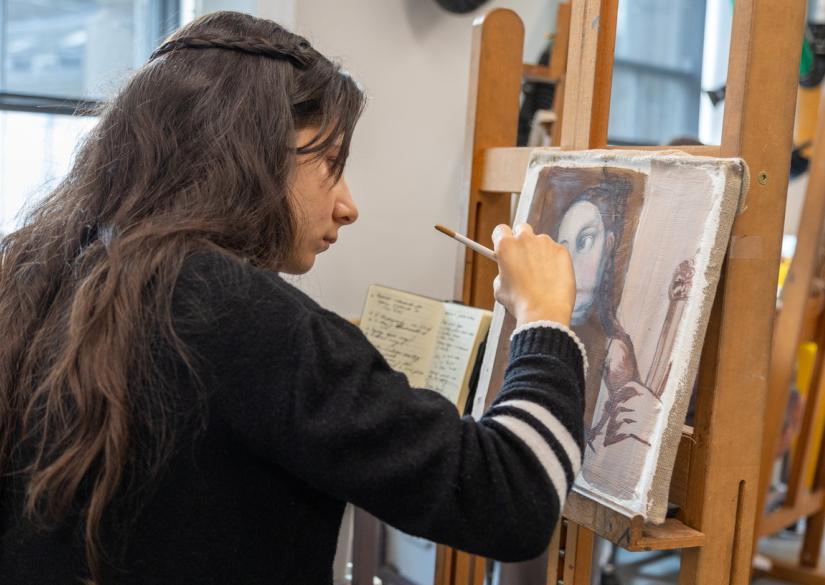
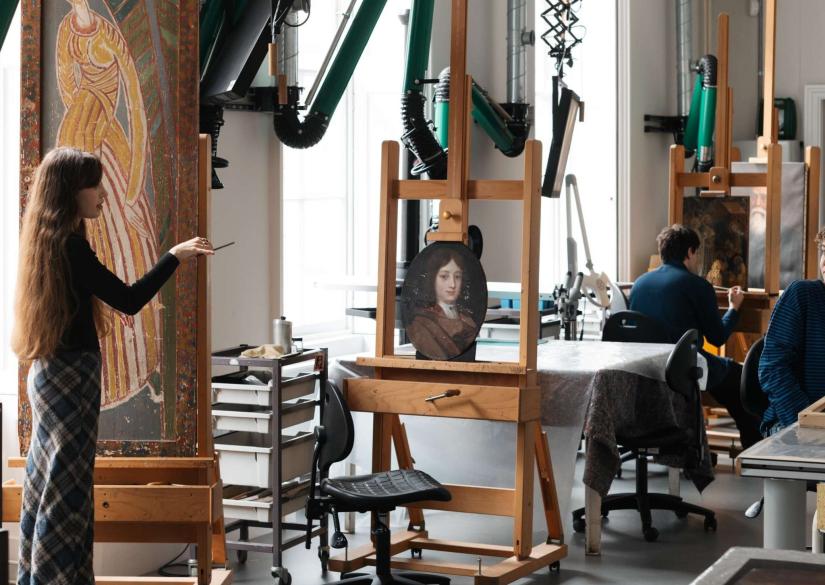
- Conservation of easel painting,
- Conservation of wall painting.
The educational process will take from nine months to three years, depending on the chosen specialization. The curricula of all programs are rich in practical exercises, opportunities to acquire applied skills, and the development of qualities important for the profession.
PhD Programme
- Age – from 23 years old,
- The term of study is three years.
The Ph.D. at the Courtauld Institute of Art is an ambitious, world-renowned program with unrivaled capabilities in art history, conservation, curating. It allows PhD students not only to deepen their existing knowledge and skills, but also to promote innovative, interdisciplinary research.
Doctoral students will join a diverse group of more than 100 postgraduate researchers from the UK and overseas, who will explore a wide range of topics and approaches in an intellectually stimulating, research-intensive environment. The faculty members who supervise the classes have extensive experience in cutting-edge research, including curating major exhibitions of historical and contemporary art, editing and publishing in leading academic journals, winning competitive research grants, speaking publicly at a wide variety of institutions and events, and working in archives and collections around the world.
- In the first academic year, students will take part in a series of sessions that provide guidance on aspects of the PhD course and skills education: program abstracting, image management, photography, the use of social media in research, conference speaking, teaching, publishing, archival research. In the third semester, students will present their first-year test: it consists of a research chapter, a dissertation plan, and a plan for the next two years of study.
- During the second year of the program, students often go on long research trips abroad; They will continue to meet regularly with their leadership team, participate in sessions, and take scientific disciplines.
- In the third year, students will focus on completing and editing an individual dissertation and then present it to the graduate committee.
Short Courses
- Age of students – from 16 years old,
- The educational period is five days.
In the spring, summer, and autumn months, short-term courses are held on the campuses of the institute and in an online format, available to teenagers from 16 years old. Within five days, students will be able to learn a lot about the field of art they are interested in, gain theoretical knowledge from specialists, industry leaders, and gain experience in studying at a higher educational institution.
The list of educational courses is updated every season, but the most popular topics for study remain:
- Conscious use of AI in art,
- Media, materials, methods – materiality, significance in Italo-Byzantine and early Italian panel painting,
- Comprehension of abstraction: roots, context, meaning,
- Understanding Christian iconography,
- Collectors, Exhibitions, Art Dealers: Modern Art in Europe 1863-1920
Description of Courtauld Institute of Art in London
- Location: London, England,
- Year of foundation: 1932,
- Number of students: about 600,
- Language of instruction: English,
- Type of education: mixed.
Courtauld Institute of Art London is one of the most prestigious specialized colleges in the world, offering higher education programs: bachelor’s, master’s, and doctoral degrees in London. It serves as an independent part of the University of London, and all academic degrees are awarded by the University of London, which makes the graduates’ qualifications prestigious and competitive. The main areas of research are considered to be art history and the conservation of works.
The history of the educational institution began in 1932, when the Courtauld Institute was opened — its establishment was facilitated by the industrialist and art collector Samuel Courtauld, the diplomat and art collector Lord Leigh, and the art historian Sir Robert Witt. Today, after years of transformations, expansions, and innovations, the exhibition space has become one of the best art colleges in the world. Around 600 students of various nationalities study within its walls, creating a truly international atmosphere where every student can reveal their talents.
The educational staff is represented by the largest community of art historians and conservators in the UK: they not only deliver lectures and practical classes but also hold exhibitions of their own works and oversee research activities on topics ranging from the art of late antiquity to contemporary digital art forms. Each teacher has many years of educational experience, which enables them to support students at every stage of their educational journey.

What advice do you have for those aspiring to attend top UK universities?
Thoroughly research your chosen university, including tuition fees, as these can vary widely. Prepare well for English proficiency tests like IELTS, which are essential for admission to any UK university. Focus on your preferred courses, checking their specific academic requirements, and ensure you are well-prepared in those areas.
Educational process
Most academic programs focus on students gaining applied skills in their chosen artistic field. To do this, the curriculum includes visits to museums, galleries, and exhibition halls in London and nearby cities.
Evening lectures of short-term courses and Summer School are held on the Vernon Square campus and are accompanied by discussion, preparation materials and handouts are provided through the Virtual Learning Environment of the Institute. The online course format consists of pre‑recorded lectures that are published weekly, as well as a discussion forum and live seminar meetings with the instructor.
Undergraduate students are provided with a personal tutor; additional academic support is offered by Royal Literary Fellows writers, who help with essay writing, and a separate tutor for study skills, who assists with referencing and the use of art‑historical terminology.
First—year undergraduate students visit London galleries as part of their classes, as well as independently: among the venues used for education are the National Portrait Gallery, Tate Modern, the British Museum, the Victoria and Albert Museum, the Docklands Museum, Hampton Court Palace and the Foundling Museum.
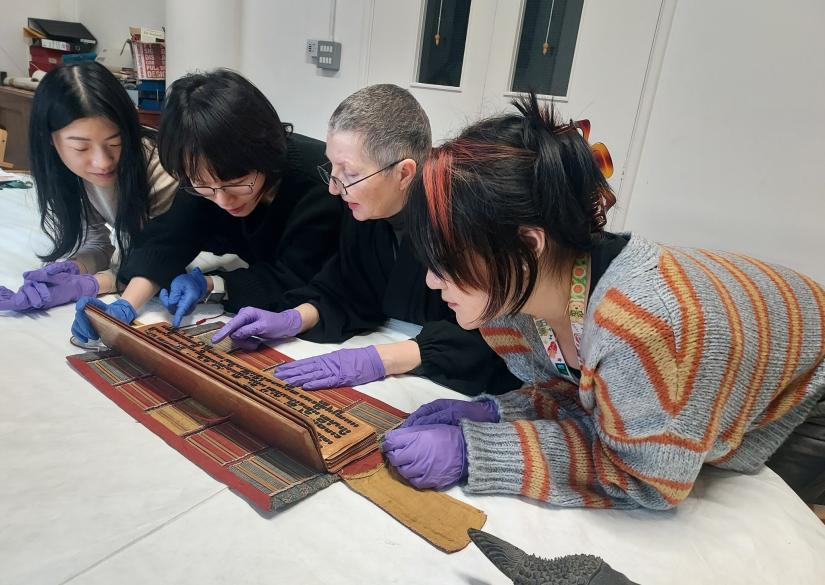
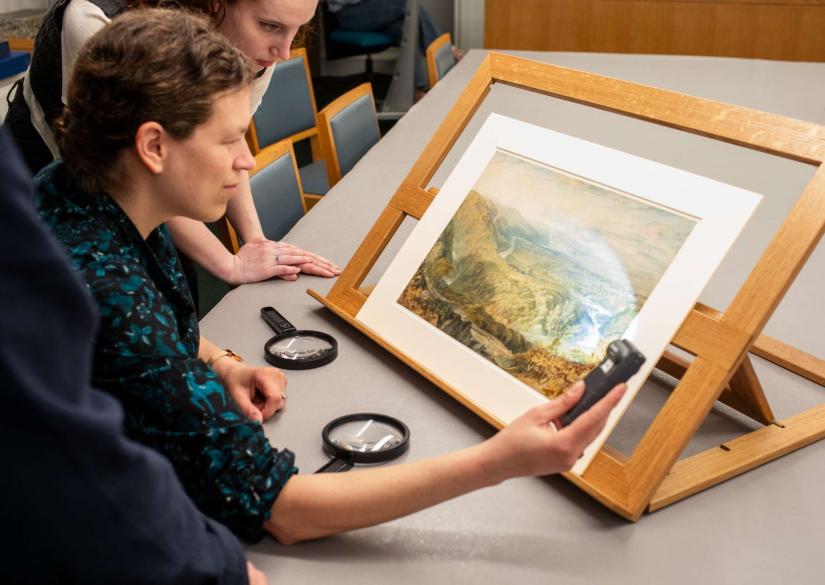
Master’s students (MA programs in art history, MA programs in museum curatorship, doctoral studies) can participate in the “Painting Pairs: Art History and Technical Study” program: each student works in partnership with a trainee conservator, examining a painting from private collections or the Courtauld Gallery that is undergoing analysis or restoration. Participants receive a fee; if necessary, additional funding is allocated for a research trip, and the results are presented at seminars within the framework of the institute’s Research Forum.
The master’s students also independently curated public exhibitions based on the Courtauld Gallery collection: four master’s students prepared and hosted the “Objects in Focus” exhibition, showcasing little‑known items of decorative art from the gallery’s holdings.
Faculties and colleges
At the Courtauld Institute of Art, education is provided across several art faculties at three levels: bachelor’s, master’s, and doctoral. Short‑term educational courses are held on the college’s campuses during the summer months for anyone interested.
The Master of Arts (MA) program in art history includes the “Special Options” module — specialized elective courses that are studied in the second semester: in the first semester, all master’s students study together in a group of 20–30 people, while in the second semester, the Special Options groups are smaller — about 8–10 students.
Undergraduate studies begin with the introductory lecture course “Foundations” in the first year — it provides a broad overview of the history of art on a global and chronological scale before students move on to a more narrow specialization.
Scientific achievements
The research of the Courtauld Institute of Art London is rated as the world's leading in terms of quality in UK universities, making it the most prestigious art-specialised institution in the world. About 89% of the studies were considered world-leading or internationally excellent in terms of originality, relevance and rigor. The research environment here demonstrates a quality that is leading among modern capabilities.
The college's leadership in the arts is demonstrated by 37 researchers: 26 members of the Department of Art History, five members of the Faculty of Conservation, four senior curators, and two young researchers.
List of the research areas is represented by:
- Art, preservation of the Buddhist world,
- Migrations: people, politics, objects,
- Middle Ages, Renaissance,
- Cultural History of Asian Art,
- Art and health.
Things to know about
- The Courtauld Institute of Art London campus is home to one of the greatest art collections in the UK. In The Gallery you can see many historical paintings, including works of impressionists: Claude Monet "Bar at the Folies Bergère", Van Gogh "Self-portrait with a bandaged ear",
- The college has appeared several times on the BBC's Fake or Fortune arts programme,
- In April 2020, during the COVID-19 pandemic, the school offered digital "mini-festivals" called Open Courtauld Hour to everyone.
Accommodation, meals, prices
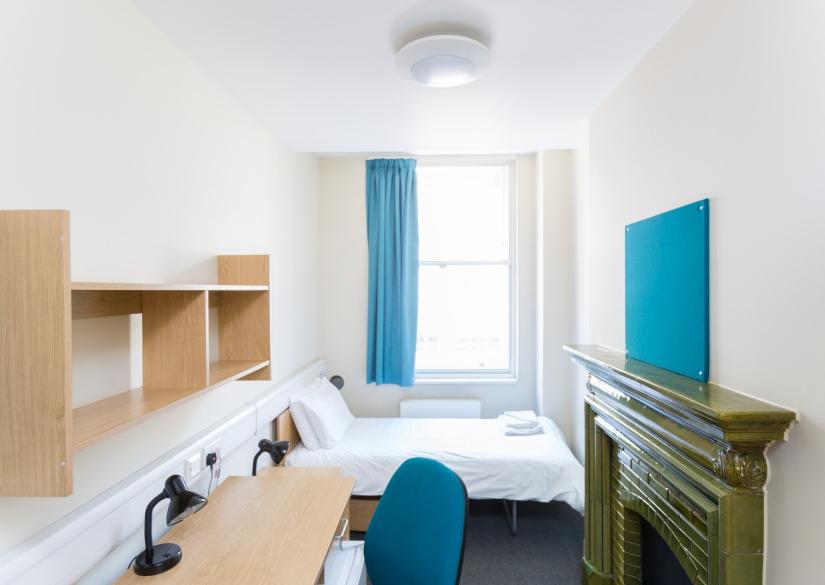
Courtauld Institute of Art London offers accommodation in several residences located within a 30‑minute drive of the academic areas. For students, there are 180 single/double bedrooms with private or shared bathrooms, studios of various sizes, townhouses with common recreation areas, furnished kitchens with household appliances, self‑study rooms, and other spaces. Generally, the residences do not provide meals, but some residential buildings offer residents daily breakfasts and/or dinners. Tea, coffee, water, and some refreshing seasonal drinks are served free of charge in the dining halls.
If all the places in the residences are occupied, students can stay in one of the University of London residences or use rented accommodation provided by partner organizations.
Subjects, specialties
Activities Courtauld Institute of Art in London
London is home to hundreds of music venues, theatres, bars and clubs, offering students endless opportunities for entertainment, self‑expression and talent development. Many places in the city offer discounts for students, so spending time outside of college won’t break the budget.
The Courtauld Institute of Art London regularly hosts its own events: entertainment, creative, scientific, and social. The Students’ Union is responsible for most of the campus events, organizing Welcome Week, costume parties, art workshops and much more, which helps the student community stay united. Throughout the year, students can take part in scientific research conducted by faculties, attend seminars by invited experts, and showcase their talents at external exhibitions.
The Summer School courses on campus regularly include day visits to London’s major museums and cultural institutions, such as the National Gallery, the British Museum, the Victoria and Albert Museum, the Design Museum, the Whitechapel and Hayward galleries, as well as Goldsmiths, University of London. Some courses offer special access to historic buildings, including Banqueting House in Whitehall and Home House.
A number of elective courses (Special Options) in the master’s program in art history include an outbound study trip abroad — for example, to Spain, Italy, or Paris — upon confirmation in a specific academic year.
Advantages
- One of the leading arts colleges in the world, ranking in the top three in the QS World University Rankings,
- Part of the top 3% of higher education institutions worldwide,
- A multinational student community,
- Highly qualified faculty members participating in national and international research in the field of arts,
- 89% of the college’s research outputs are rated by the Research Excellence Framework (REF) as world‑leading,
- Academic programs focused on practical skills,
- Comprehensive student support.
Facilities and equipment at Courtauld Institute of Art in London
Most of the classes in art history and curatorship are held at Vernon Square, while the restoration programs are held at Somerset House.
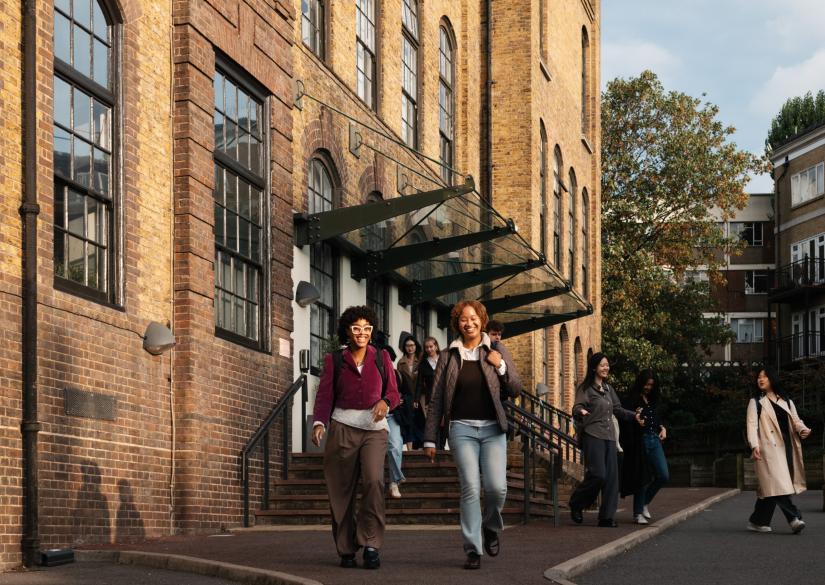
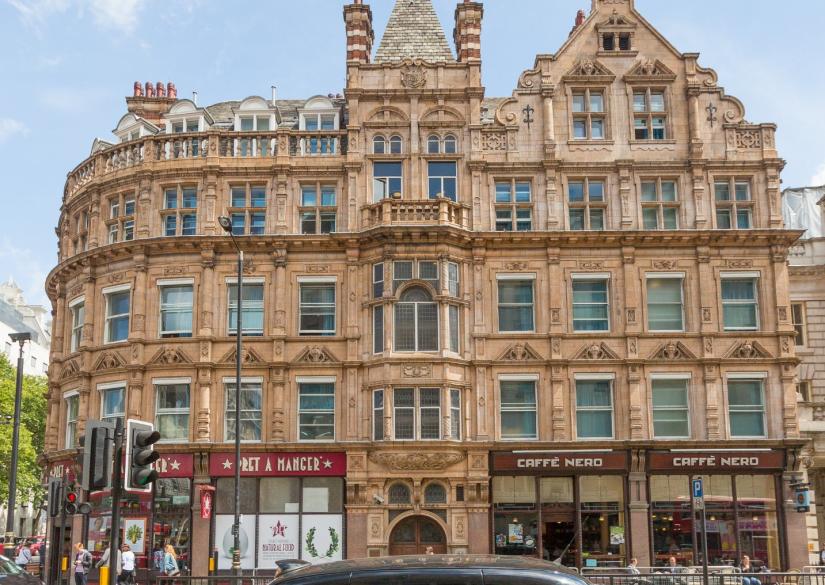
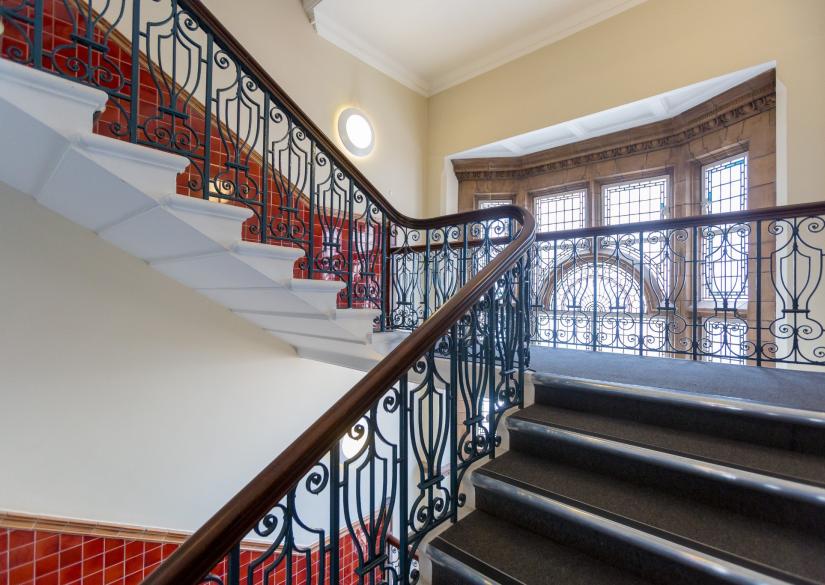
Vernon Square has always been an important location for the Courtauld Institute of Art London, as it was here that the college’s first students began their studies many years ago. The campus’s history dates back to the 20th century: the academic buildings have retained their architectural splendor, however modern facilities have been created inside them for study, self‑development, and leisure, such as:
- Two large lecture halls,
- Nine seminar rooms on the first and second floors,
- Reception hall,
- Open terrace on the upper floor,
- Practical studios with a variety of consumables, video equipment, and interactive whiteboards,
- A large library with printed publications and access to electronic databases,
- Exhibition halls,
- Rest rooms,
- Cafeteria.
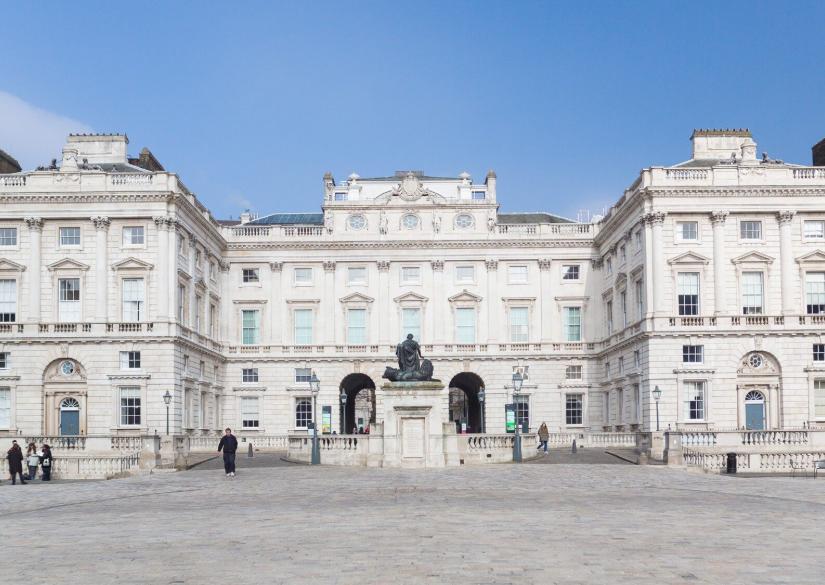
The second academic venue is located in Somerset House — one of London’s most famous landmarks, situated in the very heart of the city. The academic building includes the same amenities as the main campus: from lecture halls and practical studios to recreation and self‑study areas, but it also features several special rooms — a large gallery and an art café, where student activity is in full swing every day.
The residences are located in close proximity to Trafalgar Square, Shaftesbury Avenue, Covent Garden and Bloomsbury — well‑known centres of art, education and culture.
Admission dates and extra charges
The academic year at Courtauld Institute of Art runs from September to July and includes two semesters:
- Autumn: September-December,
- Spring: January-July.
Between semesters and at the end of the year, students take intermediate, final exams. Academic classes are organized on weekdays, rest is provided on weekends, vacations, days of national and international holidays.
The list of additional costs will include:
- Registration fees, deposits,
- Accommodation, meals,
- Some extracurricular activities,
- Additional academic opportunities,
- Personal educational materials,
- Personal expenses.
Enrolment process
Applicants pass most of the entrance exams online. Admission stages:
- Submission of the application, required documents,
- Payment of registration fees,
- Passing possible entrance exams, interviews,
- Receiving an invitation to enroll,
- Making deposits, part of the tuition fee,
- Arrival at the campus for accommodation in the residence, attending introductory events, starting classes.
At each entrance stage, all candidates are accompanied by the admissions officers, who are ready to answer any of the questions.
Enrolment statistics
Every year, Courtauld Institute of Art receives about 300 applications for admission to undergraduate programs, while about 100 applicants go through all stages of enrollment and enter the selected programs.
Perspectives
Modern knowledge, a wide range of practical skills provide graduates with ample opportunities to start a career. College students are now considered leaders and innovators in the world of art, culture and business in 83 countries.
Entry requirements, how to apply, what is required to enrol
Foreign applicants must have a full package of personal documents, including a passport, a student visa or a residence permit, and medical insurance. Academic requirements vary depending on the level of education, but the general ones will be:
- Academic certificates from a previous place of study: a year of undergraduate/postgraduate study in your home country with a GPA of at least 4.5 or a certificate of a British preparatory course,
- Scorecards,
- Language test results: IELTS (from 7.0), Cambridge English Advanced (from 185),
- A portfolio of recent work.
Some majors may require additional criteria for admission, such as proficiency in another language to read original resources or work experience.
Scholarships Courtauld Institute of Art in London
Through sponsors and partner funds, Courtauld Institute of Art London offers a range of scholarship programmes, each awarded to students based on academic merit or financial need. In addition to college scholarships, students have the opportunity to receive financial support from government programs, apply for a loan, student loan, and assistance from partner organizations.
Literature and references

Institution on the map
Residence permits, citizenship and other services
- Guardianship services during the studies
- Student supervision
Review about Courtauld Institute of Art in London
Recommendations on when to apply
| Language courses, schools and children's language camps | Primary and secondary education - private schools | Preparation programmes for entering universities - higher education | Higher education (after completing accredited programs A-level, IB, High School) - Bachelor, Master, MBA |
| - we recommend to apply 6-9 months before the start of the course (some camps and schools offer discounts for early booking or for lengthy study programs) - there are some very popular and high demand children's camps, where the applications need to be submitted 1 year in advance (in particular Switzerland , Great Britain , USA , Canada , Austria) | - we recommend to apply one year before the start of the training program, - some schools have a specific time frame (September-November - please specify an individual school) - some schools require tests in several stages (UKISET, internal tests of the school: English, mathematics, logics, subjects, interview, some require a personal visit) | - we recommend to apply one year before the start of the program, - for Foundation and Pathway programs, IELTS and TOEFL certificates are usually required, respectively | - recommended submission one year before the start of the program, - the deadline normally closes in January, for TOP HEIs and, as a rule, in March in other universities - for a bachelor, a Foundation or Pathway preparatory program a completed A-level, IB, High School + IELTS / TOEFL are required - for Masters you need a graduated higher education, in some cases you need a pre-Masters program - MBA requires completed higher education, work experience preferably at least 2-3 years, etc. |