 Spain
Spain
 For partners
 University of Lincoln








Programs and prices, tuition fees in University of Lincoln


International Year One
- Age of students — from 18 years old,
- The studying period is one year.
The International Year One programs are aimed at foreign students who plan to study for a bachelor's degree, but do not have a suitable level of English language proficiency and academic knowledge.
The studying lasts for a year and is available in four directions:
- Business, management,
- Accounting, finance,
- Marketing, tourism,
- Computer science.
Studying in the chosen profile is completing the first year of a bachelor's degree with automatic transfer to the main program at the end of the year. The International Year One student curriculum consists of the following modules:
- English: reading, speaking, writing, pronunciation and grammar, listening comprehension,
- Specialized subjects.
Each student has a mentor who carefully monitors academic progress, adjusts the schedule and provides assistance on any issue.
International Foundation Year
- Age of participants: 17 years
- Duration of the programs: 1 academic year (3 semesters)
- Beginning of classes: September, January
- English language level for participation in the programs: IELTS 4.5 (4.0 in the "letter" section)
- Level of education: diploma of graduation.
The program of preparation for undergraduate studies is intended for foreign students who plan to enter the University of Lincoln. Education lasts for the academic year (3 semesters) and is divided into 2 areas: Business and Media, Engineering and Calculations. The educational program includes:
1) Basic modules
- Academic English Skills
- Modules in the selected direction
2) Thematic (subject) modules.
In the process of teaching, lecturers give lectures, hold seminars and master classes. Students perform laboratory work, work independently and in groups. To monitor the progress and adjust the education, each student during all semesters performs screening work:
- Invisible and ordinary exams.
- Term papers
- Presentations
- Essays and Extended Essays
- Case studies.
In the case of a successful graduation, graduates enter the available bachelor's specialties.
Directions of education and available undergraduate programs:
Business and Media.
1) The main modules:
- Academic English Skills
2) Core modules (only for business direction):
- Business training (level 1). This module examines the modern business world and working methods in the business environment. Are conducted as individual lessons, and group education, and role games (for increase of understanding of principles of a management and leadership)
- Legal and political environment. The module's work is aimed at studying the political and legal systems and functions that they perform in the modern world
3) Thematic modules for the direction Business:
- Business training (level 2). Various aspects and components of the business, in particular marketing research and operations management. The knowledge base is being expanded and teamwork skills are being perfected
- Economy. The module is devoted to economic and business concepts. Development of analytical skills that allow for the implementation of economic analysis and defend the point of view in different situations and at different levels (both local and international)
- Accounting. The module trains all aspects of accounting - from the basics to the immediate preparation and analysis of accounts. Includes individual and group work
4) Thematic modules for Media direction:
- Media (level 1). Themes: mass media and their role in the life of society, key media concepts, institutions, values and ideologies
- Media (level 2). Topics: cinema and television, visual language and cinema technique, media concepts in narration, genres and author's participation
- Media (level 3). Topics: practical skills of working with multimedia to create advertising, marketing in advertising, ethical norms related to the media
Available undergraduate programs:
- Accounting and Finance (BA (Hons) Accountancy and Finance)
- Advertising and Marketing (BA (Hons) Advertising and Marketing)
- Business and Finance (BA (Hons) Business and Finance)
- Business and Management (BA (Hons) Business and Management)
- Business and Marketing (BA (Hons) Business and Marketing)
- Business (with English) (BA (Hons) Business with English)
- Business Studies (BA (Hons) Business Studies)
- Criminology (BA (Hons) Criminology)
- Criminology and Social Policy (BA (Hons) Criminology and Social Policy)
- Event Management (BSc (Hons) Events Management)
- Film and Television (BA (Hons) Film and Television)
- History (BA (Hons) History)
- International Business Management (BA (Hons) International Business Management)
- International Relations (BA (Hons) International Relations)
- International Relations and Politics (BA (Hons) International Relations and Politics)
- Management of international tourism (BA (Hons) International Tourism Management)
- Law (LLB Law)
- Law and Criminology (LLB Law and Criminology)
- Management in marketing (BA (Hons) Marketing Management)
- Media production (BA (Hons) Media Production)
- Politics (BA (Hons) Politics)
- Politics and Social Policy (BA (Hons) Politics and Social Policy)
- Social Policy (BA (Hons) Social Policy)
- Sociology (BA (Hons) Sociology).
Engineering and Computing.
1) The main modules:
- Academic English
- Applied mathematics (level 1). Topics: mathematical concepts in science and technology, including forces and equilibrium, relative motion, Newton's laws of motion and energy
- Applied mathematics (level 2). Themes: statistics, dynamics, uniform circular and simple harmonic motion
2) Thematic modules for engineering direction:
- General mathematics (level 1). Topics: the foundations of algebra, sequences and series, differentiation and integration, probability theory and sets
- General mathematics (level 1). Topics: geometry and trigonometry, numerical methods, vectors and complex numbers
- Physics. Basic laws, ideas and methods of physics and their application in solving specific problems and tasks
3) Thematic modules for the direction Calculations:
- Calculations (level 1). Topics: databases, principles for solving problems using databases, principles of system analysis and design
- Calculations (level 2). Themes: the XHTML language, the design and functionality of web pages, the JavaScript programming language
- Calculations (level 3). Topics: object-oriented programming and design: concepts of creation, inheritance, user interaction with events and parameters, and the application of other programming principles.
Available undergraduate programs:
- Computer Science (BSc (Hons) Computer Science)
- Electrical Engineering (Control Systems) (BEng (Hons) Electrical Engineering (Control Systems))
- Electrical Engineering (Electronics) (BEng (Hons) Electrical Engineering (Electronics))
- Electrical Engineering (Power and Energy) (BEng (Hons) Electrical Engineering (Power and Energy))
- Calculations for games (BSc (Hons) Games Computing)
- Mechanical Engineering (BEng (Hons) Mechanical Engineering)
- Mechanical engineering (power and energy) (BEng (Hons) Mechanical Engineering (Power and Energy))
- Mechanical engineering (control systems) (BEng (Hons) Mechanical Engineering (Control Systems)).
Tuition fee in all directions = 12,900 £ / course (academic year).
Bachelor's program
- Age of students — from 18 years old,
- The studying period is three years.
The University of Lincoln offers more than 150 undergraduate majors. Over the course of three years, students receive specialized knowledge, applied skills, internship experience and improved language skills, so they can continue their academic path to a master's degree or start a career.
Some of the available specialties are:
- Banking,
- Finance,
- Biology,
- Computer technology,
- Bioweterinary,
- Computer games with augmented reality,
- Chemistry, drug development,
- Economics, finance,
- Ecology, nature conservation,
- Education, psychology,
- Mechatronics,
- Mechanical engineering,
- English language,
- Animal behavior and welfare,
- Graphic design,
- International tourism management.
Master's program
- Age of students — from 21 years old,
- The duration of the studying is from one year.
Master's degrees provide students with more in-depth knowledge of their chosen profession and high-quality skills. Masters study for 1-2 years, attending lectures, seminars, internships, conducting individual and group research.
Some of the sought-after directions for studying are:
- Accounting,
- Advanced technologies,
- Agricultural sciences,
- Technology,
- Animal behavior and welfare,
- Architecture,
- Art,
- Astrophysics,
- Biochemistry, molecular biology,
- Biomedical sciences,
- Right,
- Computer science,
- Construction science, management,
- Preservation of cultural heritage,
- Criminology,
- Creative writing.
Pre-Master's Program
- Age of students — from 20 years old,
- The duration of the study is one year.
Pre-Master's programs are designed for international students who have completed their bachelor's degree in other countries and wish to continue their academic path in master's programs at the University of Lincoln. The courses will help foreign students to translate their knowledge, improve their English proficiency, and adapt to a new country faster. Pupils will study core modules alongside English for academic purposes, they will be able to choose from a range of modules that reflect potential pathways to a variety of Master's degrees to gain targeted knowledge of specific subjects. Such electives are designed to support core learning.
Pre-Master's programs are available in several majors:
- Accounting, Finance,
- International Business,
- Supply Chain Management, Logistics,
- Management
- Human Resources,
- Management: project management,
- Marketing.
Upon completing the course, the student is transferred to a more specialized master's program.
Pre-Sessional English Course
- Age of students — from 18 years old.
These English courses, which take place in summer and winter, are designed for students who do not meet the university language requirements. But they will also be useful for those students who are already ready to enter higher education programs, but would like to learn more about the academic environment at a UK university before starting their undergraduate or postgraduate studies.
The courses will not only improve their English proficiency for academic purposes, but they will also prepare the student for courses at Lincoln. The curriculum includes work on all four skills needed to study at a British university: reading, writing, speaking and listening + an introduction to British culture. Students will be taught in small groups under the guidance of experienced native teachers, guaranteeing a personalized experience.
Currently, the university offers both face-to-face and online courses.
Doctor's Programs
- Age of students — from 23 years old,
- The duration of study is from three years.
The institution is renowned for its research work and projects that make a difference in the lives of people in the UK and around the world in many industries. Most of the projects involve not only experienced specialists, but also students — bachelors, masters, postgraduates.
A PhD is considered the final stage of higher education. The degree confirms the student's broad knowledge base, high level of terminology, practical skills and ability to teach other students.
There are two PhD programs available at the University of Lincoln:
- Psychology
- Business Administration.
Each of them involves conducting individual research under the guidance of a personal mentor, qualified teachers, and third-party employees of research organizations.
Description of University of Lincoln
- Location: Lincoln, United Kingdom,
- Year of foundation: 1861,
- Number of students: about 15,000,
- Language of instruction: English,
- Type of studying: mixed.
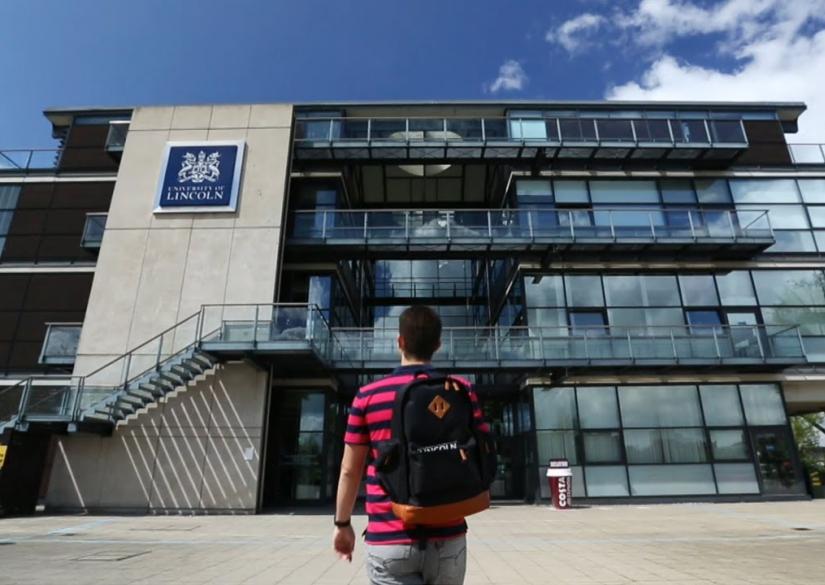
The University of Lincoln is a UK university internationally renowned for its high—quality higher education programs, research, and project activities.
The history of the University of Lincoln begins in 1981 with the establishment of the Hull School of Art and Design. Decades of development, the well-deserved title of university in 1992, the focus on modern education and the best conditions for students have led the University of Lincoln to high performance, places in the rankings of the best higher education institutions not only in the country, but also in the world.
British higher education programs are taught at the University of Lincoln: bachelor's, master's, postgraduate, as well as preparatory courses for international students. The teaching staff of the University of Lincoln is represented by leading experts from many fields, some of whom are still engaged in research activities. Teachers come from different age groups, but they all focus on a modern approach to learning, using the latest techniques and equipment to transfer their knowledge to younger professionals.
Comprehensive support surrounds University of Lincoln students: additional classes, tutoring, an English language center, extracurricular clubs and sections, opportunities to develop talents and interests off campus, and much more. Since the university's student community is truly diverse - it includes representatives from more than 120 countries — you can find all the necessary tools on the academic territory to adapt more quickly to another country and create friendly relations with other students.

When choosing a university, what should be prioritized? Employer satisfaction, employment rates post-graduation, or research opportunities?
There's no straightforward answer as all these factors are important. It's crucial to thoroughly research using various sources, including official websites and government data. Look into regional salaries, fast-growing professional fields, and the cost of living to gain a comprehensive view of not just your education but also potential future life.
Faculties and colleges
The University of Lincoln has two specialized colleges, which include schools in the following specialties:
- Arts, Social Sciences and Humanities: Business, Education, Law, Social and Political Sciences, Architecture, Design, Media and others,
- Healthcare, sciences: agricultural production technologies, medicine, food production, chemistry, computer science and others.
Scientific achievements
The university has dozens of research institutes in various fields:
- Autonomous systems,
- Agri-Food Technologies,
- Rural Healthcare,
- Food production,
- Promoting diversity among the population,
- Autism
- Computing Technologies,
- Creativity, culture,
- Environmental justice and others.
Each of them is engaged in specialized developments that make life better not only within the country, but also around the world.
Things to know about
The University of Lincoln was one of the first universities in the UK to declare a climate emergency as part of a decade-long effort to recognise and reduce carbon emissions. The university's staff work together to create a zero-emission student life whose sustainability is reflected not only in its buildings but also in its culture, and many academic courses include sustainability in the list of modules studied.
Accommodation, meals, prices
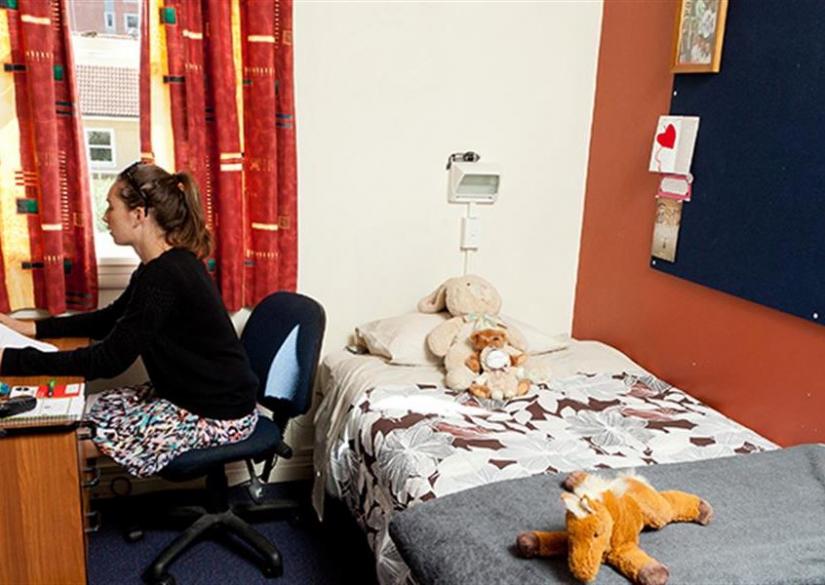
The University of Lincoln has six residences offering a variety of rooms to accommodate all students. In particular, the university guarantees a place to stay for every first-year student in order to help them adapt to a new country faster, make friends and not worry about basic needs.
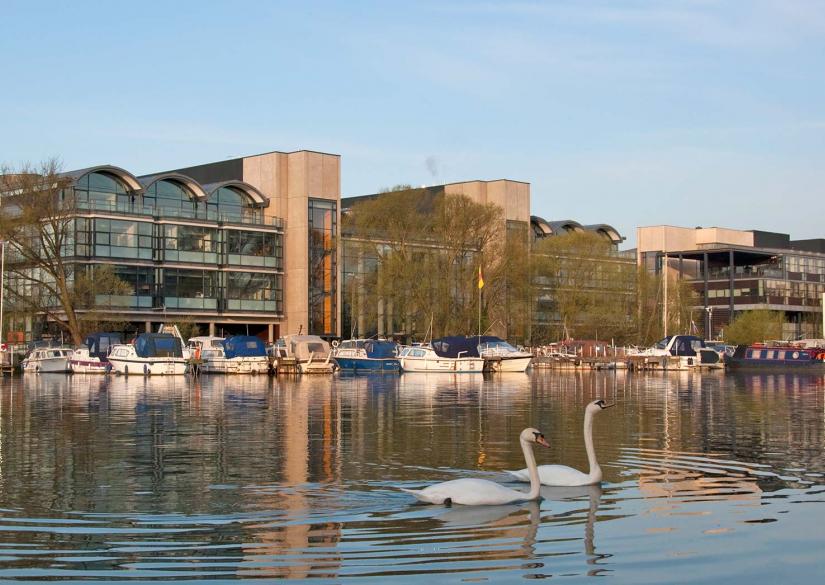
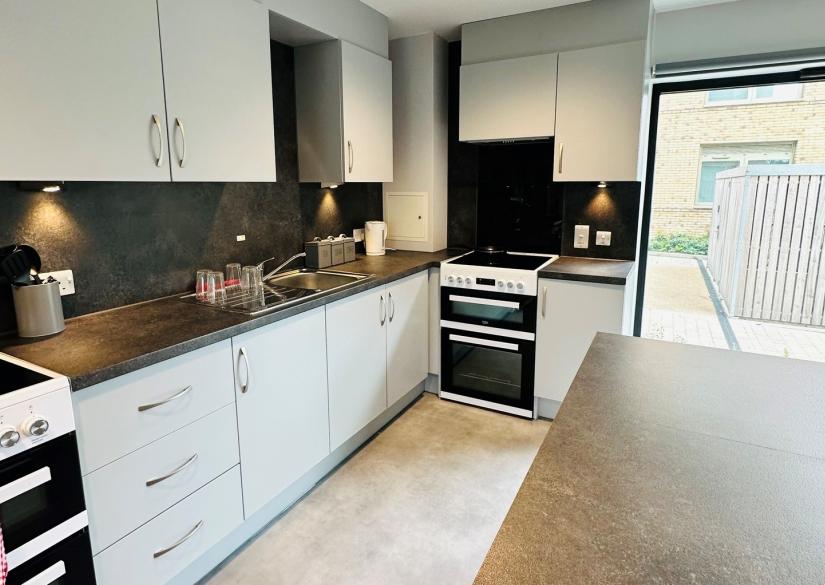
- Cygnet Wharf is a residential building designed for first—year students only. The complex consists of three modern buildings with apartments, most of which house from 10 to 12 students. There are 442 furnished single bedrooms, equipped with private bathrooms and necessary furniture. Each apartment has a fully equipped kitchen with household appliances and a dining area.
- Lincoln Courts is a residential complex on the waterfront in the student village of Brayford. The complex consists of 17 modern buildings with 1,037 single bedrooms located in five- and eight-room apartments. The student can choose the type of bedroom that suits him: with a private bathroom or access to a common one. Everyone has access to a shared kitchen and living room.
- Viking House Hotel is located in the center of Lincoln, just a short walk from the main Brayford Pool campus. It offers traditional dormitories in a modern setting: three buildings with 272 single bedrooms with private bathrooms, located in apartments for 8-23 students. Kitchens are common in the buildings.
- The 179 High Street Residence, which is one of the newest residential complexes, is located in the very center of the city and is adjacent to the Large Central Library of the University, the Lincoln Students' Union. There are 282 bedrooms with bathrooms in shared apartments, each of which accommodates from four to 16 students. Each room has a single bed, a double bed, a built-in wardrobe, a desk and dressers, and a bathroom with a shower, sink and toilet. There are also 19 fully furnished superior studios on 179 High Street: each apartment in this complex has a fully equipped kitchen with appliances.
- St Marks is a new residence located a few minutes from the Brayford Pool campus, the city center. Students live in 1,222 single bedrooms with private bathrooms, which are assembled into shared apartments for 6-12 people. In common use there is a kitchen, a living room, a dining room.
- Valentine Court is a residential complex that opened in September 2019. It consists of 70 townhouse-style apartments, each of which accommodates from 6 to 13 students. There are 469 furnished student bedrooms on three floors, with spacious kitchens, dining rooms and living rooms on the ground floor in common. The comfortable bedrooms with bathrooms are equipped with built-in furniture and a pantry, parking is available for an additional fee.
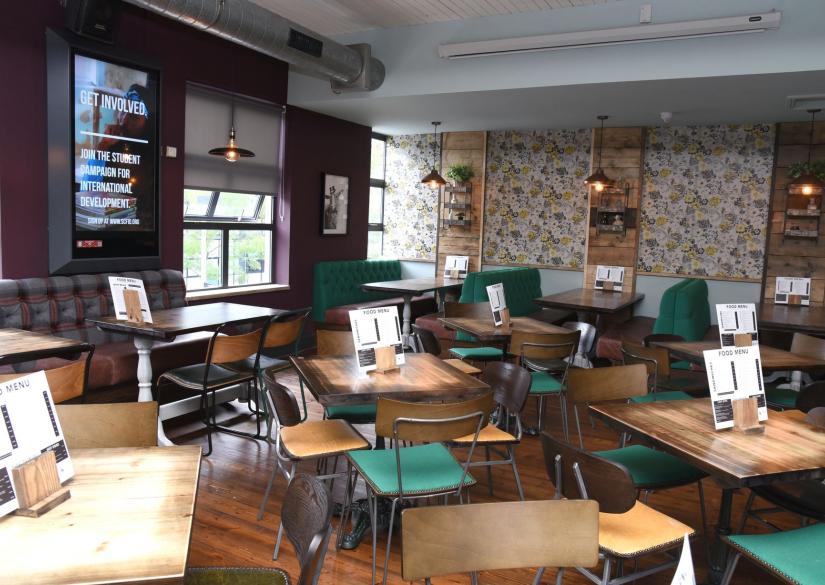
All University of Lincoln residences are equipped with high-speed Wi-Fi and have a wired Internet connection. All utilities are already included in the price. Most buildings have rooms for students with special needs. Students can cook their own meals in the shared kitchens of residential buildings, and they can visit university cafeterias on campuses.
Subjects, specialties
Activities University of Lincoln
Sport occupies an important place in the lives of students: professional coaches and mentors work with the children, university teams participate in various competitions, festivals and competitions. Some of the available sports are:
- American football,
- Shooting,
- Athletics,
- Badminton,
- Basketball,
- Box,
- Cricket,
- Dancing,
- Darts,
- Golf,
- Gymnastic,
- Hockey,
- Karate,
- Netball,
- Swimming.
For comprehensive development, students engage in various types of creativity and art. The university has an excellent base for the activities of various clubs and sections — students can improve their talents by choosing their favorite areas.:
- Drawing, painting,
- Design,
- Architecture,
- Graphics,
- Sculpture,
- Theatrical art,
- Directing,
- Cinematography,
- Special effects,
- Playing musical instruments,
- Computer (electronic) music,
- Photo,
- Illustration,
- Computer games.
The location of the university gives students the opportunity to use all the facilities of Lincoln and nearby cities to organize their leisure time. The staff is always ready to provide any assistance in finding interesting places and events, and there is even a special sightseeing department on the main campus.
Activities include:
- Festivals and holidays,
- Sports competitions,
- Talent contests,
- Movie night,
- Performances by musical and creative groups,
- Theatrical productions,
- Guided tours of Lincoln and beyond.
Advantages
- Winner of the prestigious Queen's Jubilee Award, the UK's highest award for universities, in recognition of work supporting the agri-food sector in 2023,
- One of the 150 best young universities in the world in the Times Higher Education 2023 ranking,
- Five-star rating in the world University rating system QS Stars 2023,
- Gold status in the framework of the national teaching improvement program in 2023,
- The student community is represented by more than 120 countries,
- 79% of the research is recognized as international and leading in the world, included in the Research Excellence Framework 2021,
- Three studying areas with modern facilities,
- Extensive opportunities for extracurricular development,
- Serious career prospects thanks to the support of the Career and Employment Center.
Facilities and equipment at University of Lincoln
The University of Lincoln has three academic territories within Lincoln:
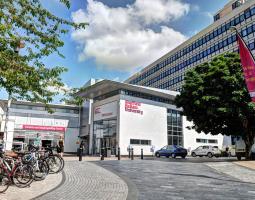
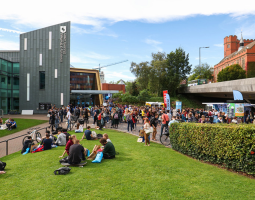
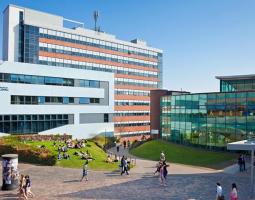
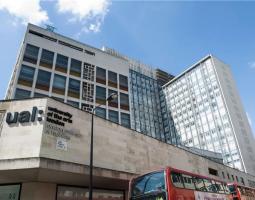
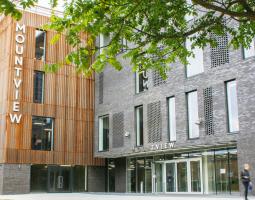
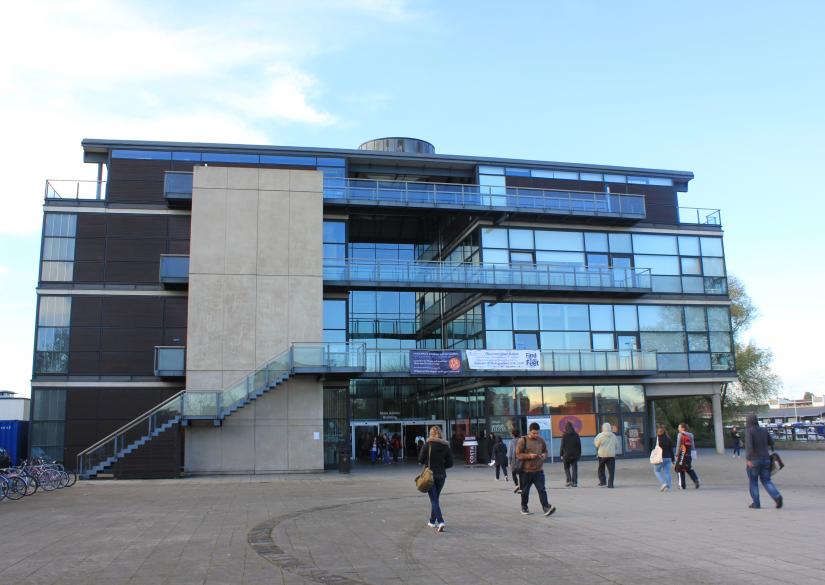
- The Brayford Pool campus is the main academic venue in the heart of the city. Since 1996, several hundred million pounds have been invested in it, which has allowed it to become an inspiring modern place for learning,
- The Holbeach campus is located in the south of the district and is home to the National Food Production Center. Thanks to its specialized base, cutting-edge research, and professional preparation, the center is among the leading in the industry,
- The Riseholme Campus is located on the estate of the same name, near Lincoln. The site is a picturesque venue for most programs related to agriculture, and a place for providing professional services in this industry.
The equipment of each of the academic territories is modern and technologically advanced: interactive whiteboards, projectors are equipped in all rooms, and a complete package of necessary software is available. Computers located in the library and self-study halls are freely available to students.
What else does the University of Lincoln offer?
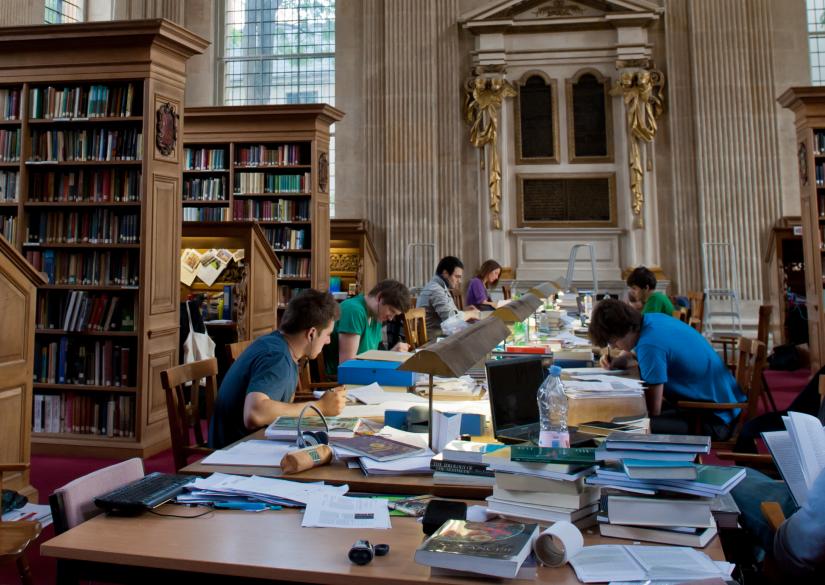
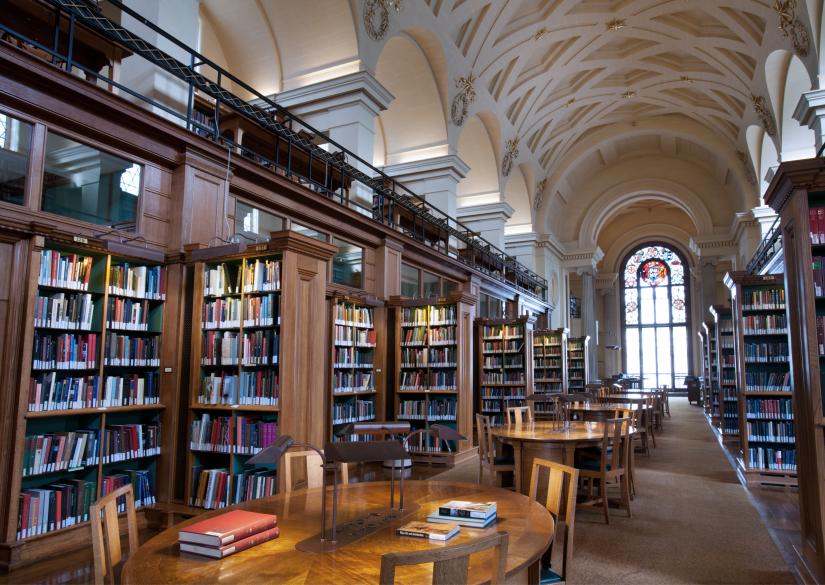
- The large central library consists of several large repositories with more than 260,000 journals, 750,000 printed and electronic books. The storages are open around the clock, providing students with a place to study and work on projects.,
- The Art Center is a building with specialized studios for creativity, multifunctional halls for rehearsals, events, a workshop for creating props,
- A Bloomberg Laboratory — especially for students of financial specialties, offers access to stock market materials,
- The studying court is a room that imitates a real courtroom: students of the fields of jurisprudence and law are trained here., Individual spaces: computer rooms, specialized workshops, printing and many other classes that allow you to work both alone and in small groups.,
- Studios for music and film production, radio and television, which have a variety of specialized equipment: from musical installations and amplifiers to software for processing material.
Due to its convenient location, the University of Lincoln campuses allow students to enjoy the majestic Lincoln Cathedral, medieval castles, archives of the International Bomber Command Center, Roman ruins around the city and many other attractions.
The city has a well-developed public transport system, bicycles are available for rent, so the road to interesting places will not be difficult or long.
Admission dates and extra charges
The academic year is divided into several semesters:
- Autumn: September-December,
- Spring: January-July.
The exam weeks take place in January, May, July and August. School days are weekdays, and rest is organized on weekends, national and international holidays, and vacations. The duration and start dates of the programs may vary depending on the profile and degree of education.
The approximate list of additional expenses will include the following services:
- Registration fees,
- Accommodation, meals,
- Individual needs: additional academic classes, extracurricular staff support, personal educational materials, and more,
- Some extracurricular activities, trips,
- Pocket expenses.
Enrolment process
Admission Process:
- Selection of the program, clarification of dates, requirements for admission,
- Filling out the registration form, providing the required documents,
- Payment of registration fees,
- Receiving a response from the Admissions Committee about the consideration of the application and the transition to the next stage,
- Passing entrance exams, interviews,
- Receiving an official invitation to enroll,
- Payment for the program,
- Arrival at the campus, start of classes.
Perspectives
Today, the University of Lincoln alumni community includes more than 120,000 professionals in various fields. After graduation, they travel around the world to start their careers: according to statistics, former university students work in more than 135 countries. With the support of the job center, staff, and personal mentors, students find jobs in their specialty in the coming months after completing the programs.
Entry requirements, how to apply, what is required to enrol
All foreign candidates must provide a package of personal documents: passport, medical insurance, visa or residence permit. Underage applicants need to apply for a guardian in the UK.
To enroll in higher education programs, you must meet the following criteria::
- Certificate of completion of secondary education / Bachelor's Degree / Master's Degree, assessment certificates and final exam results,
- Language test results: IELTS (from 6.0) or equivalent. The higher the level of education, the stricter the criterion for English language proficiency,
- Individual achievements, and in some cases, a portfolio or work experience in a specialty.
Scholarships University of Lincoln
The University of Lincoln offers a wide range of scholarships – each of the awards celebrates a student's success in academics, sports, creativity, or other extracurricular activities. Some of them are:
- Chevening Scholarships,
- Commonwealth Scholarships,
- European Union Scholarships,
- National Scholarships,
- Housing scholarships.
The financial payment covers part of the tuition fee or additional expenses. Students also have access to discounts on the payment of the program when booking a place early.
Literature and references
-
University of Lincoln — Wiki

-
University of Lincoln : Rankings, Fees & Courses Details — Top Universities
-
University of Lincoln Ranking UK 2023 / 2024 — Complete University Guide
-
University of Lincoln — World University Rankings THE
-
University of Lincoln Rankings — U.S. News & World Report
-
University of Lincoln gets £10m to research rural and coastal health — BBC
Institution on the map
Residence permits, citizenship and other services
- Guardianship services during the studies
- Student supervision
Review about University of Lincoln
Recommendations on when to apply
| Language courses, schools and children's language camps | Primary and secondary education - private schools | Preparation programmes for entering universities - higher education | Higher education (after completing accredited programs A-level, IB, High School) - Bachelor, Master, MBA |
| - we recommend to apply 6-9 months before the start of the course (some camps and schools offer discounts for early booking or for lengthy study programs) - there are some very popular and high demand children's camps, where the applications need to be submitted 1 year in advance (in particular Switzerland , Great Britain , USA , Canada , Austria) | - we recommend to apply one year before the start of the training program, - some schools have a specific time frame (September-November - please specify an individual school) - some schools require tests in several stages (UKISET, internal tests of the school: English, mathematics, logics, subjects, interview, some require a personal visit) | - we recommend to apply one year before the start of the program, - for Foundation and Pathway programs, IELTS and TOEFL certificates are usually required, respectively | - recommended submission one year before the start of the program, - the deadline normally closes in January, for TOP HEIs and, as a rule, in March in other universities - for a bachelor, a Foundation or Pathway preparatory program a completed A-level, IB, High School + IELTS / TOEFL are required - for Masters you need a graduated higher education, in some cases you need a pre-Masters program - MBA requires completed higher education, work experience preferably at least 2-3 years, etc. |