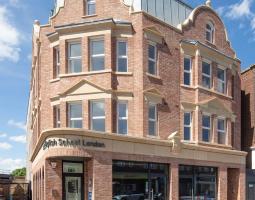
Rugby School Summer Course, Summer Course at Rugby School





Programs and prices, tuition fees in Rugby School Summer Course, Summer Course at Rugby School


Rugby School Short-term Courses
- Age of students: 13-17 years old.
What is included in a Rugby School summer camp shift:
- English language course (22 hours per week) + lessons in subjects (ELA, history, mathematics, economics, business, technology and design, art, physics, politics),
- Touch elective course: rugby, hockey, swimming, performing arts, crafts, games, active recreation, team activities,
- Festive dinners, lectures with guest speakers,
- 4 excursions with lunches (full day),
- Consultations on further education pathways, advice on future admission.
Details and components of the summer program:
- Academic lessons: a combination of an English language course (EAL system, English as a Foreign Language) and standard school subjects. This is an opportunity not only to improve your knowledge and skills but also to adapt to the pace and academic environment in a traditional high-end British boarding school. Before starting the course, all newcomers take a language test that will determine their current level of knowledge — this will help tailor the program for each student.
- Additional classes (electives). This is a powerful enrichment component that makes the summer course at Rugby School truly effective and unique. The combination of core subjects and electives forms interdisciplinary learning, develops thinking skills, and deepens understanding of the subject. Such classes can be held both in the classroom and outside it, for example, on excursions: for example, mathematical knowledge is revealed to children in the citadel of military decryption — at Bletchley Park, and design technology and economics are intertwined into a single formula for success when visiting the University of Warwick, at the National Automotive Innovation Centre (NAIC).
- Personal development. Students develop healthy curiosity, form integrity of personality and character, adaptation to new environments, openness to new experiences, independence, self-reliance, and social skills. This is helped by a special series of Floreat lessons: these are useful lectures on leadership, well-being, the importance of sports in life, cultural exchange, etc. Students are inspired and motivated by regular meetings, afternoon conversations, traditions and celebrations of Rugby School, many of which have been around for decades, formal dinners and black tie receptions.
- Consultations on further education and future admission (Future Advisory). They are handled by representatives of the Rugby School admissions office, so you can be sure of the relevance and accuracy of the data. Employees will tell you what is needed for successful admission to schools/universities in the UK, how Rugby School itself works: what the admissions committee pays attention to, how applications are assessed, what they like to read in personal statements, what assessment materials they can offer, etc. Representatives of the University of Warwick together with Rugby School graduates who recently entered universities share responsibility for university admission «— and are ready to share their personal experience: how to highlight your strengths more brightly, show yourself in the best light, and increase your chances of success.
- Excursions and events. This is a great opportunity to get acquainted with Great Britain, its history and culture, and enjoy shopping. All trips can be personalized, all support lessons and give participants the opportunity to try their skills in real life. All excursions involve lunches and dinners at city restaurants (as they imply a late return to campus), allocate time for discussing what has been seen and sharing emotions and opinions. Where do camp participants go? They go to Oxford University, to the Warwick University campus, to the NAIC center, the Ashmolean Museum, Parliament, Buckingham Palace, attend a performance in the legendary West End, walk around Oxford and Birmingham, Stratford-upon-Avon (the birthplace of the great Shakespeare), London, visit Warwick Castle, and visit the National Space Centre.
The cost already includes:
- Studying course,
- Accommodation and meals (full board),
- Transfers,
- Extracurricular program and excursions, campus events,
- Administrative and registration fee,
- Uniform (tie and polo shirt).
Description of Rugby School Summer Course, Summer Course at Rugby School
- Location: Rugby, Warwickshire, England,
- Year of foundation: 2026,
- Language of instruction: English,
- Type of education: mixed.
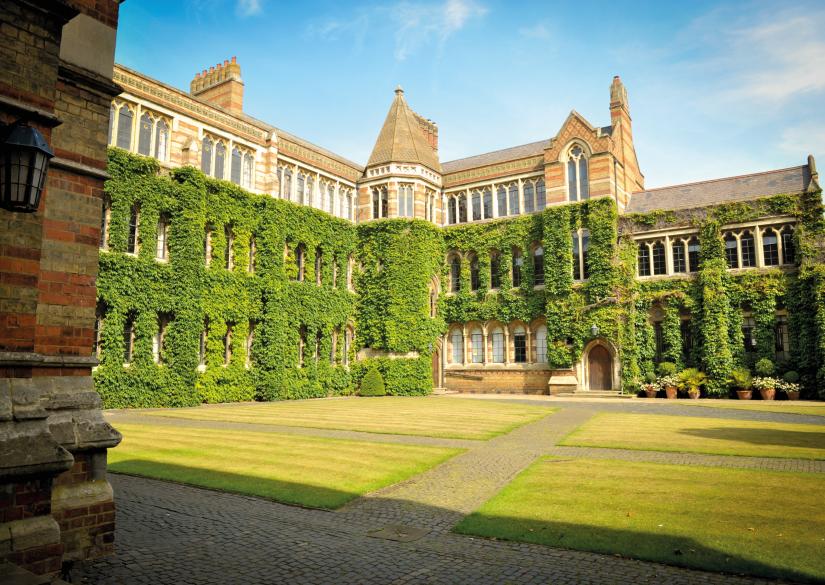
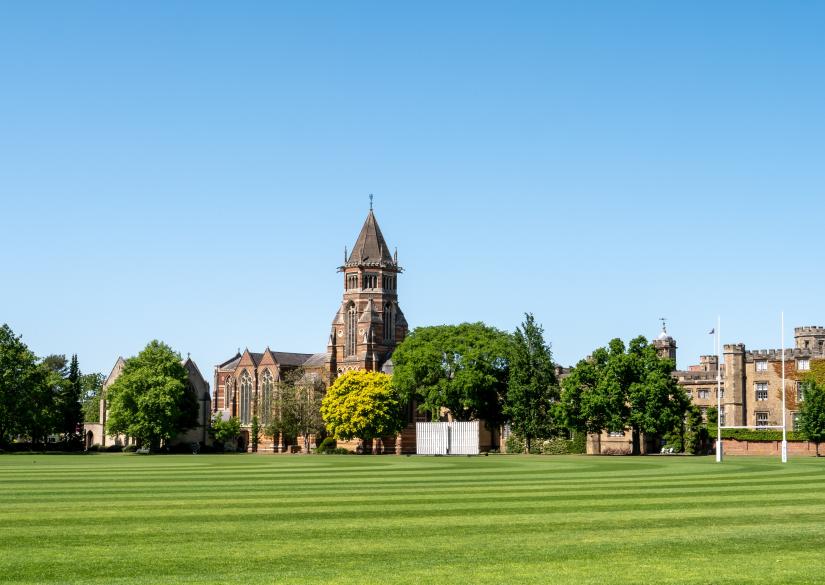
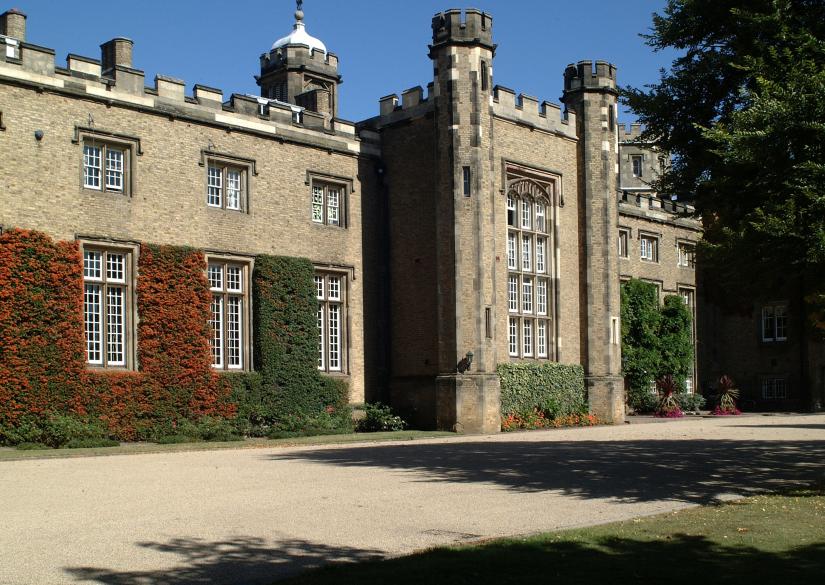
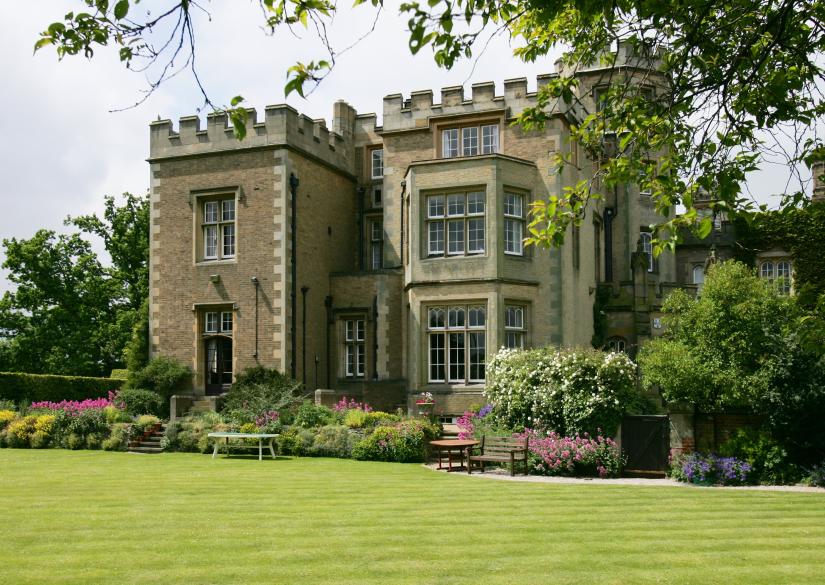
Rugby School Summer Courses is a summer program of one of the leading schools in England, which has been operating for about 500 years. Rugby School is known for its excellent academic performance, emphasis on preserving traditions and history, a wide range of extracurricular activities, and a campus that has largely retained its original architecture.
A short-term course organized during the summer months is open to foreign students aged 13-17. A rich curriculum offers students an immersive experience in learning English, exploring the history, traditions and customs of Great Britain, making new friends from different countries, and gaining unforgettable international education experience. Under the guidance of qualified teachers, students will effectively improve their language skills, try their hand at new extracurricular activities and feel like a British student — the school provides pupils not only with an academic plan but also comfortable accommodation, balanced meals and leisure programs.
Educational process
Students can expect a balanced schedule with academic classes in the first half of the day, campus events — in the second, and excursions on weekends. Every day is different from the previous one, offering students new experiences and events.
Faculties and colleges
Rugby School offers the following academic programs:
- GCSE — national exams upon completion of secondary school (Year 10–11, ages 14–16),
- A-Level — final exams of upper school (Year 12–13, ages 16–18) with in-depth specialization in three subjects, with further mathematics as a fourth subject,
- International Diploma — an upper school program based on individual curricula comprising 3 higher-level subjects, 3 standard-level subjects, and a compulsory "core": Theory of Knowledge, Extended Essay, and the Creativity, Activity, Service (CAS) component.
- Summer English Language Course — a short-term program for international students aged 13–17 with flexible duration.
Scientific achievements
- A-Level results consistently exceed 60% A*–A grades and over 80% A*–B. In 2019, the school outperformed its main competitors for the third consecutive year,
- In 2024, 14 graduates received offers from Oxford and Cambridge,
- The Tatler Schools Guide 2022 described Rugby School's sporting reputation as «unrivalled»,
- The «Schools of Empire» project was named among the best events of the UK National Archives in 2021 and received the Boarding Schools Association award for «Best New Initiative in Inclusion and Diversity 2022»,
- The rowing team of one of the school's houses became the RYA national sailing champion in 2019,
- In 2020, three pupils received professional contracts with Premier League rugby clubs,
- The sports science programme reduced non-contact injuries by 45% between 2018 and 2020,
- The Chemistry department regularly wins national chemistry olympiads and the Cambridge Chemistry Challenge,
- The ISI inspection of 2022 awarded the school the highest rating for the quality of pupils' personal development — «Excellent».
Things to know about
- Rugby School — the birthplace of rugby: in 1823, a pupil picked up a football on the school field and ran with it, breaking the rules of football — this is precisely how rugby was born,
- The school was founded in 1567 by Lawrence Sheriff, a spice merchant to Queen Elizabeth I, as a free school for boys,
- Headmaster Thomas Arnold (1828–1842) reformed the education system: he introduced pastoral care and abandoned the principle of purely academic selection. Under him, the number of pupils grew from 260 to 360, and 23 of his assistants went on to become headmasters of other public schools,
- Pierre de Coubertin visited the school in the 1880s, inspired by Arnold's ideas. His views on organised sport were embodied in the first modern Olympic Games in Athens in 1896. In 2009, Arnold's role in the Olympic movement was commemorated with a memorial plaque on the school wall,
- In July 2012, the Olympic Flame passed through the Rugby School campus on its way to the Olympic stadium,
- Notable alumni include: poet Rupert Brooke, writer Lewis Carroll, poet Matthew Arnold, geneticist William Bateson, racing driver Dick Seaman (winner of the 1938 German Grand Prix), actor Robert Hardy, and writer A.N. Wilson,
- In 1797, the school witnessed the «Great Rebellion»: pupils blew up the door of the headmaster's classroom, burned books, and took refuge on an island surrounded by a moat. Local police were called in to quell the uprising,
- The «Boomer» bell, weighing 3.25 tonnes and raised in July 1914, called the school to chapel daily during the First World War and continues to ring to this day,
- The Classics department still uses the old classroom of Headmaster Arnold — Upper Bench, where classics has been taught for nearly two centuries,
- All full-time teachers are provided with accommodation on the campus,
- Girls were admitted to Rugby School in 1976; today the ratio of boys to girls is approximately 50:50,
- The school has 13 boarding houses and 2 day houses with a history of over 200 years,
- The day houses Town and Southfield have been nominated for the RIBA architectural award.
Accommodation, meals, prices
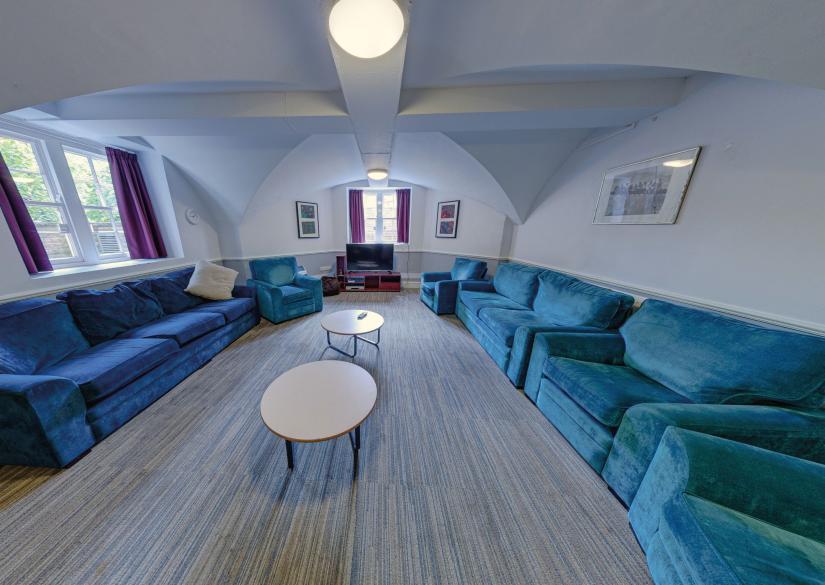
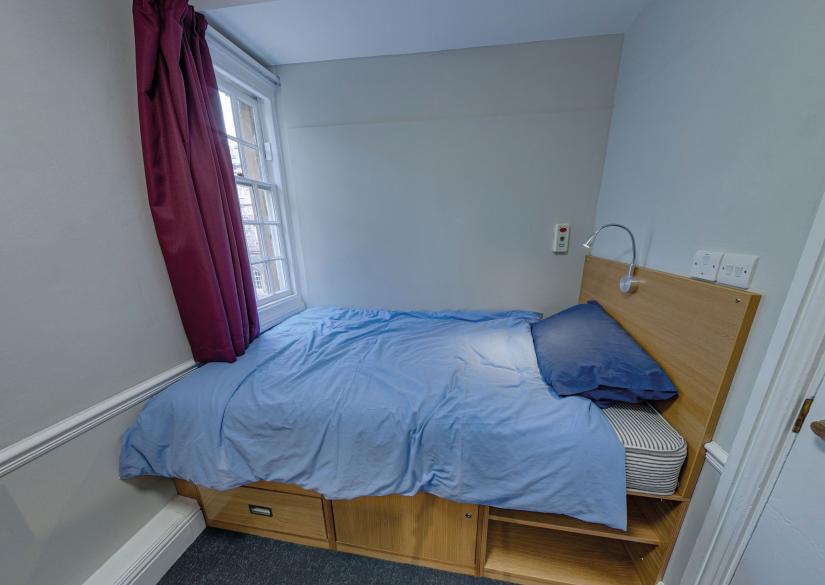
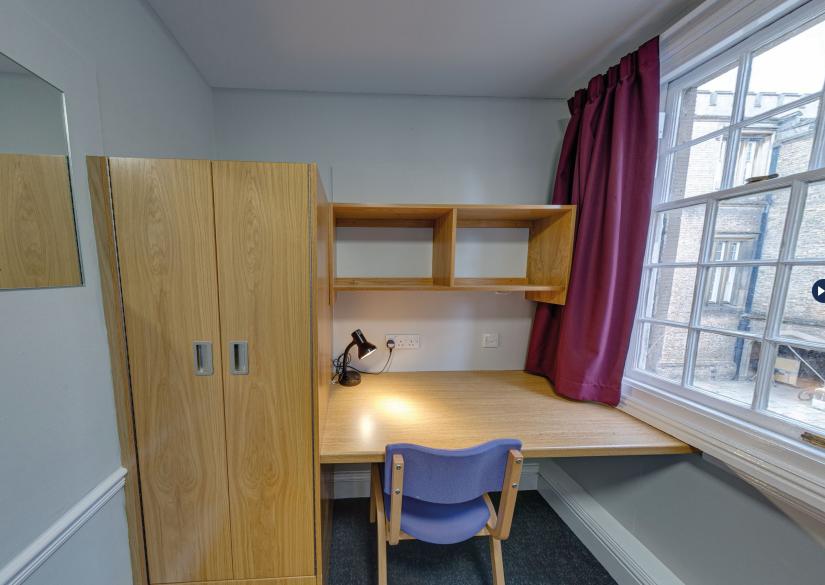
During the studies, students are accommodated in Rugby School residence, typically occupying single rooms with full furnishings, access to bathrooms, kitchenettes and common leisure areas.
The summer camp cooperates with Lodestone House, which allows it to provide pupils with a varied menu of hot and cold dishes, healthy snacks and drinks. Students receive a balanced three meals a day, prepared from fresh seasonal local products.
Activities Rugby School Summer Course, Summer Course at Rugby School
A rich program includes a wide range of extracurricular on-campus and off-site events.
Sport occupies a central place in the leisure plan — under the guidance of qualified coaches, students try their hand at rugby or hockey. Training is planned to be comfortable and accessible to students with any skill level. The program also includes group physical education classes, dance events.
During the entire study period, students also participate in entertaining and creative activities: visual and performing arts classes, culinary evenings, quizzes. In addition to these, excursions to London, Oxford and Birmingham are organized for students with sightseeing tours, visits to restaurants and campuses of leading universities in the region.
Advantages
- The opportunity to study at one of the best schools in England,
- Small study groups — up to 12 people,
- The program cost already stipulates many services, including accommodation and meals,
- Several start dates, duration options,
- A balanced schedule that includes leisure activities and excursions.
Facilities and equipment at Rugby School Summer Course, Summer Course at Rugby School
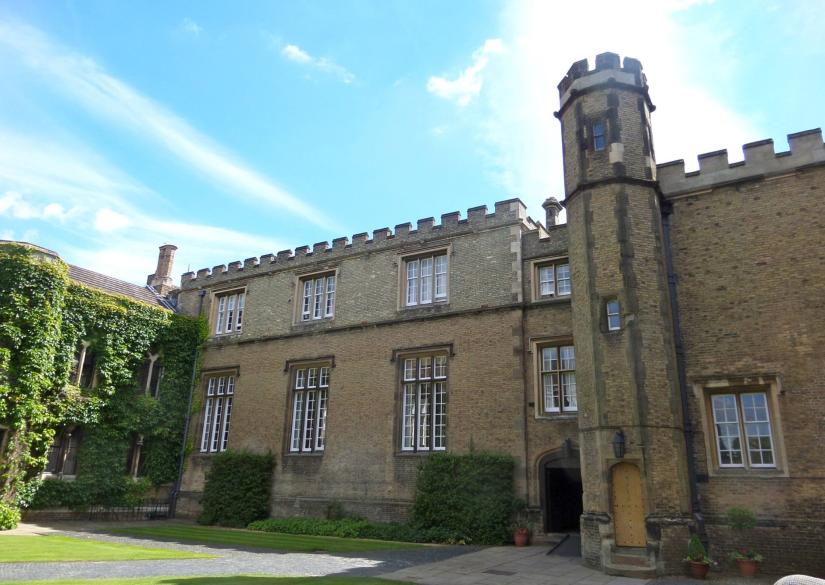
The summer program takes place in the oldest building of the school, which was the original building when Rugby School opened on this site in 1750. Students have access to most of the campus infrastructure, including lecture halls, indoor and outdoor sports facilities, art studios, and much more.
Admission dates and extra charges
The summer program has several start dates throughout July-August, with two duration options: one or two weeks. The cost already includes a number of services:
- Accommodation in the residence,
- Three meals a day,
- Extracurricular activities on campus, several excursions on weekends,
- Administrative and registration fees,
- Elements of the school uniform: tie, emblem, polo shirt,
- Transfers to/from the airport on a scheduled date and time.
Additionally, it is necessary to pay for medical insurance and make a deposit. Upon request, a separate transfer can be arranged.
Enrolment process
Applicants complete the registration form and provide personal documents, then take a language test to determine their current level of English proficiency. Based on the test results, students are assigned to groups and begin classes on their scheduled date.
Enrolment statistics
Admission is limited by the number of available places in groups; applications are considered on a first-come, first-served basis.
Perspectives
Upon completing the program, students will have international educational experience, a higher level of English proficiency, and an understanding of whether they would like to continue their studies in the UK.
Entry requirements, how to apply, what is required to enrol
Foreign applicants arriving must have a guardian in the UK or consent forms completed by their parents. Admission is possible from the age of 13: the school expects the candidate to meet the academic and personal level appropriate for their age.
To apply, you must provide personal documents: a foreign passport, health insurance, a visa or residence permit. There is no need to take a language exam in advance — it is included in the enrollment process.
Scholarships Rugby School Summer Course, Summer Course at Rugby School
Rugby School offers several financial support programs:
- The Lawrence Sheriff Fund — scholarships for students in need of financial assistance (subject to means-testing of the family),
- The Arnold Fund — scholarships covering 100% or more of the full boarding tuition fee. More than 185 young people have already received an education through this program. The fund's partners are educational charitable organizations in socioeconomically disadvantaged areas,
- Foundation Awards — available to applicants entering at age 13+ and 16+.
Institution on the map
Residence permits, citizenship and other services
- Guardianship services during the studies
- Student supervision
Review about Rugby School Summer Course, Summer Course at Rugby School
Recommendations on when to apply
| Language courses, schools and children's language camps | Primary and secondary education - private schools | Preparation programmes for entering universities - higher education | Higher education (after completing accredited programs A-level, IB, High School) - Bachelor, Master, MBA |
| - we recommend to apply 6-9 months before the start of the course (some camps and schools offer discounts for early booking or for lengthy study programs) - there are some very popular and high demand children's camps, where the applications need to be submitted 1 year in advance (in particular Switzerland , Great Britain , USA , Canada , Austria) | - we recommend to apply one year before the start of the training program, - some schools have a specific time frame (September-November - please specify an individual school) - some schools require tests in several stages (UKISET, internal tests of the school: English, mathematics, logics, subjects, interview, some require a personal visit) | - we recommend to apply one year before the start of the program, - for Foundation and Pathway programs, IELTS and TOEFL certificates are usually required, respectively | - recommended submission one year before the start of the program, - the deadline normally closes in January, for TOP HEIs and, as a rule, in March in other universities - for a bachelor, a Foundation or Pathway preparatory program a completed A-level, IB, High School + IELTS / TOEFL are required - for Masters you need a graduated higher education, in some cases you need a pre-Masters program - MBA requires completed higher education, work experience preferably at least 2-3 years, etc. |