Rambert School of Ballet and Contemporary Dance


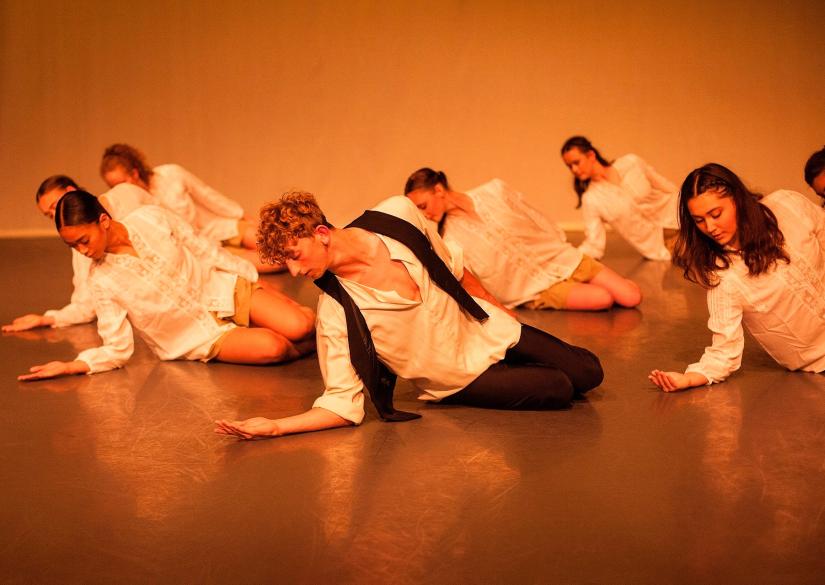
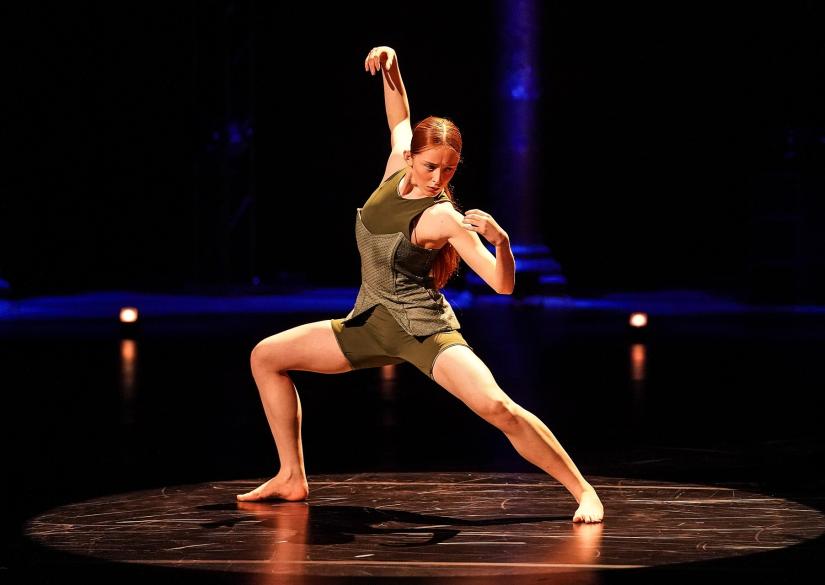
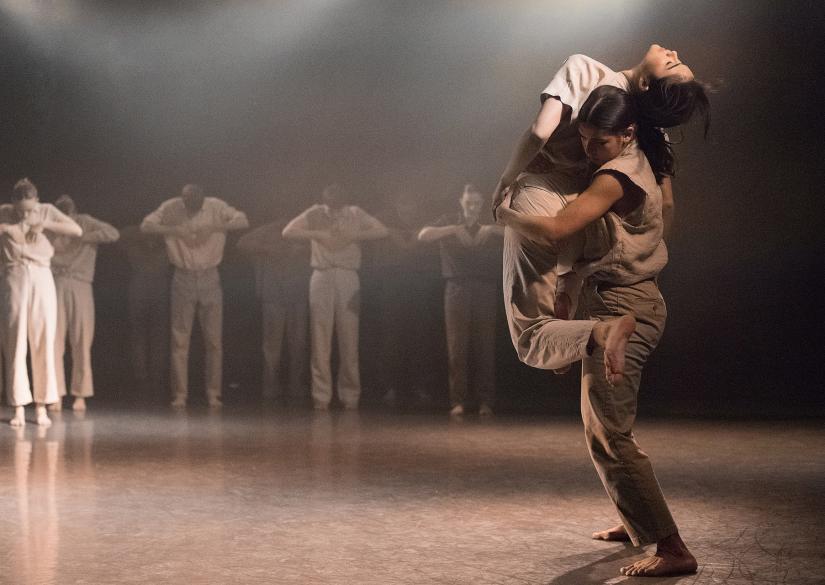


Programs and prices, tuition fees in Rambert School of Ballet and Contemporary Dance


Undergraduate Programs
- The duration of the educational course is one or two years.
Rambert teaches two higher professional degree programs leading to a degree at the undergraduate level: Foundation Degree and BA. Both programs offer students to gain knowledge and practical skills in the specialty "Ballet and Contemporary Dance". The course curricula include theoretical lectures from specialized teachers, many hours of practical training in specialized studios on the school campus. Students will have the opportunity to participate in various external events, demonstrate their talent to leading industry specialists.
Graduate Programs
- Age – from 21 years old,
- The term of study is two years.
International students wishing to improve their creative skills and deepen their theoretical knowledge in the field of dance art can pursue a master's degree in Dance Studies for Professional Practitioners.
The two-year program includes 180 academic credits and is divided into two stages. The list of disciplines for study includes:
- Comprehension of Dance through Its Practice: Research Methodologies,
- Activation, documentation of research experiments in dance,
- Reflective practice in action,
- Extended Research Query,
- Dissertation.
Each student is engaged in individual research activities, on the basis of which he writes a dissertation. For successful completion of education, students need to submit a scientific work to the committee, receive all 180 subject credits.
Young People's Courses
- Age of students - from 11 years old.
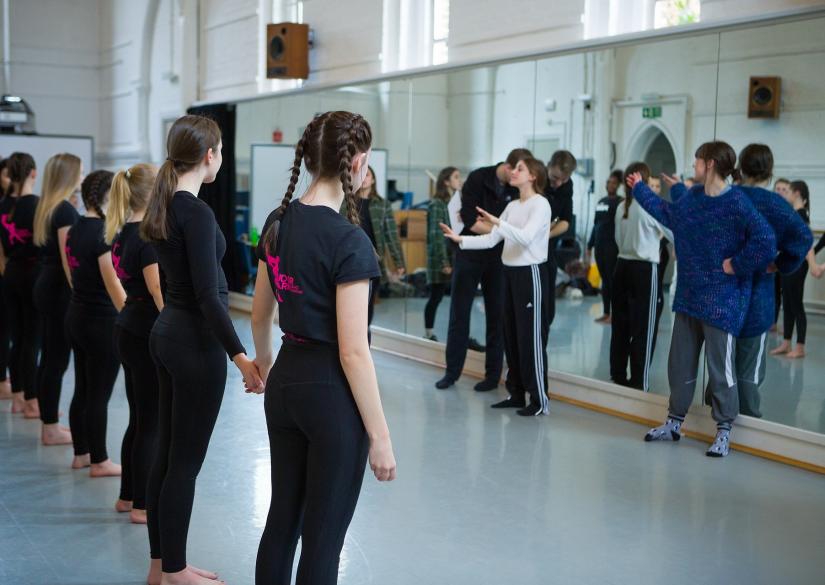
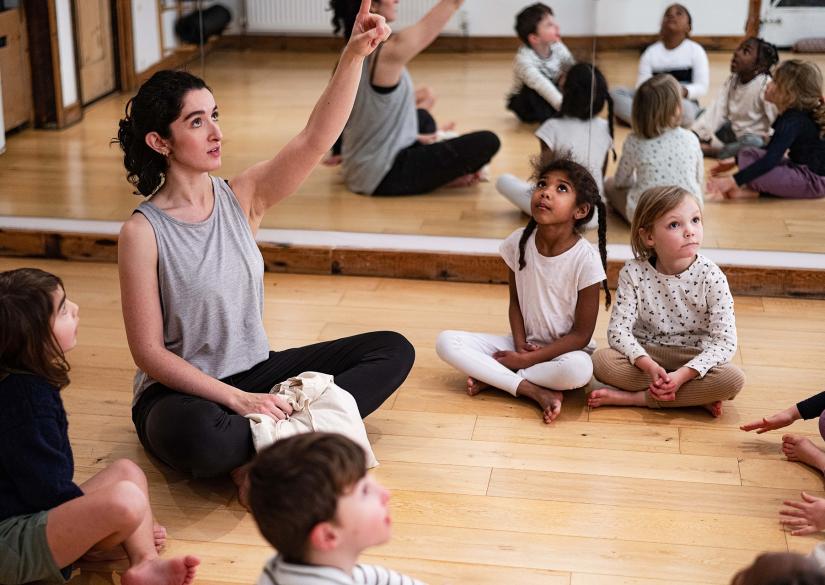
Seasonal short-term courses, preparatory programs allow students to prepare for higher professional education, gain additional experience and deepen their love for dance. Foreign students are given the opportunity to study in specially designed world-class studios in south-west London alongside teachers and alumni of the school.
Regularly taught courses:
- A trial day for boys (15-19 years old) is a one-day event that allows young dancers to attend master classes in ballet, improvisation, modern dance, as well as a seminar with questions and answers from leading industry experts.
- Pre-professional education (14-20 years old) is a one-year course with regular classes in ballet, modern choreography, creative master classes,
- The Preparatory Course (11-17 years old) is a one-year program for ballet lovers, offering the study of dance technique, coordination, and body capabilities.
Description of Rambert School of Ballet and Contemporary Dance
- Location: London, England,
- Year of foundation: 1984,
- Language of instruction: English,
- Type of education: mixed.
- Location: Twickenham, United Kingdom,
- Language of instruction: English,
- Programs: Higher education programs and short-term courses.
The Rambert School of Ballet and Contemporary Dance is a specialized school offering higher education programs and short-term courses.
Rambert School began its history long before the actual opening of the campus. In 1914, Polish émigré and former Ballet Russes dancer Marie Rambert arrived in London to escape the outbreak of World War I, and in 1920 opened a dance school at Bedford Gardens, Kensington, which became the ancestor of the now existing Rambert School of Ballet and Contemporary Dance. Thanks to the merger of two professional dance schools, which took place in 1984, Rambert found a campus that today provides the best programs in the field of dance. The focus on ballet, modern dance, which began in the 70s, has been preserved, thanks to which the school produces strong, expressive and versatile performers every year.
The school adopted the name Rambert School of Ballet and Contemporary Dance in 1985. It became independent in 2003. After the university’s Richmond campus was sold in 2005, the school developed its current site with support from the Linbury Trust and other benefactors. Amanda Britton was appointed Principal and Artistic Director in July 2015.
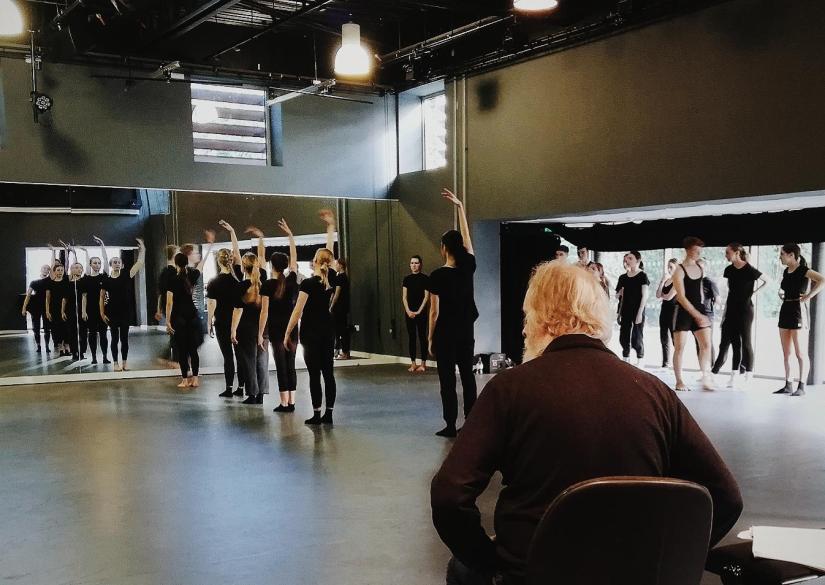
Education is focused on practical skills, to which a large part of the academic plan is dedicated. Modern facilities with technological equipment allow international students to develop their talent, thanks to the guidance of qualified teachers, they receive timely support, correction of mistakes and the opportunity to realize their potential outside the classroom.
Educational process
Students who are not native English speakers can get support from an ESOL specialist tutor in weekly group sessions. Subject teachers, personal supervisors provide support in all aspects of learning, assistance in academic classes so that students gain confidence in researching, taking notes, writing and citing essays, thinking about learning styles, ways to organize study time. Employees use the Teams online learning environment to allow students to access course materials, video content, and other learning resources in their own time.
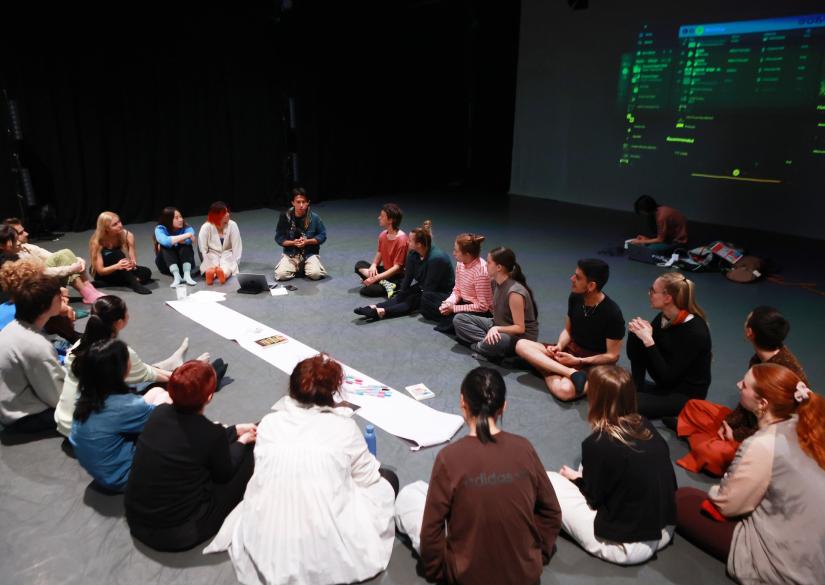
The research master’s program is delivered primarily online and can be joined from anywhere in the world. Classes and individual mentoring accommodate students’ work schedules. Mentors are assigned each year to match students’ research topics. Research through dance practice is the central approach. Research Intensives lasting two to three days take place twice a year, with in-person and online participation, in addition to dedicated symposia and choreographic presentations for sharing practice.
The Student Support Service offers in-person and online support, including counseling. The school also provides Diagnostic Screening to identify learning differences.
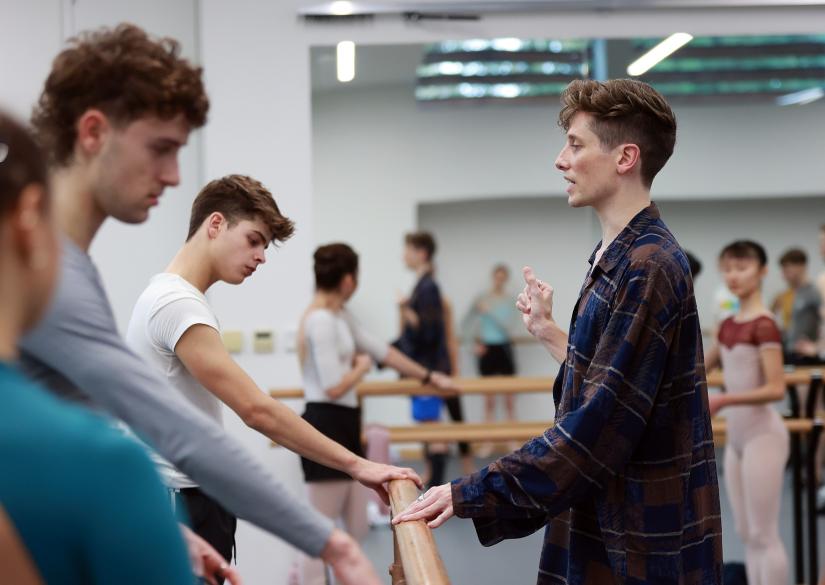
Students on the Foundation Degree and BA (Hons) programs take daily classes with live music, attend professional workshops, and participate in regular performances. Classes are conducted by faculty and guest artists. The school commissions freelance choreographers to create original work with students. A yearlong partnership with Studio Wayne McGregor and The Juilliard School culminated in a new work under the artistic direction of Sir Wayne McGregor, performed at London’s Sadler’s Wells East. Students traveled to Senegal to work with artists at Ecole de Sables under the direction of Alessandra Seutin. The partnership with the Royal College of Music includes joint events and interdisciplinary modules. Rambert School students have performed in the college’s opera productions.
Faculties and colleges
In addition to its higher education programs, the school offers classes for young dancers:
- A Saturday program for young people,
- Intensive courses during school holidays,
- Rambert Grades, a contemporary dance syllabus for young people.
Scientific achievements
Since 2018, the Rambert School of Ballet and Contemporary Dance has been engaged in meaningful dance research, with a focus on the areas of dance pedagogy, creative practice, psychology, social justice, academic identity. Research projects have enriched the life of the school, bringing a spirit of deeper immersion in dance practices and knowledge. Some of the research topics are:
- Neuroeducation in the studio,
- Meditation for dancers,
- Racial literacy,
- Academic Identity in the Conservatory,
- Interactive technologies,
- Protection of the creative process.
Master’s research has included a study of how the disabled body is perceived in choreography through the lens of posthumanism, and an exploration of the relationship between music and movement in creating Plastique Animée.
Things to know about
- The school and the Rambert dance company began as a single organization and gradually became separate entities,
- In 2020, the school and the Rambert dance company jointly launched Rambert Grades,
- In 2025, around 700 teachers in 40 countries were teaching Rambert Grades.
Accommodation, meals, prices
Rambert does not have its own residences, but it helps students find accommodation close to campus before they arrive. Most foreign students choose to live nearby, in the areas of St Margaret's and Twickenham, either in shared rented homes or with a host family. When a student is offered a place, he is provided with detailed information about the available accommodation options, and support is provided in the process of adapting to a new place.
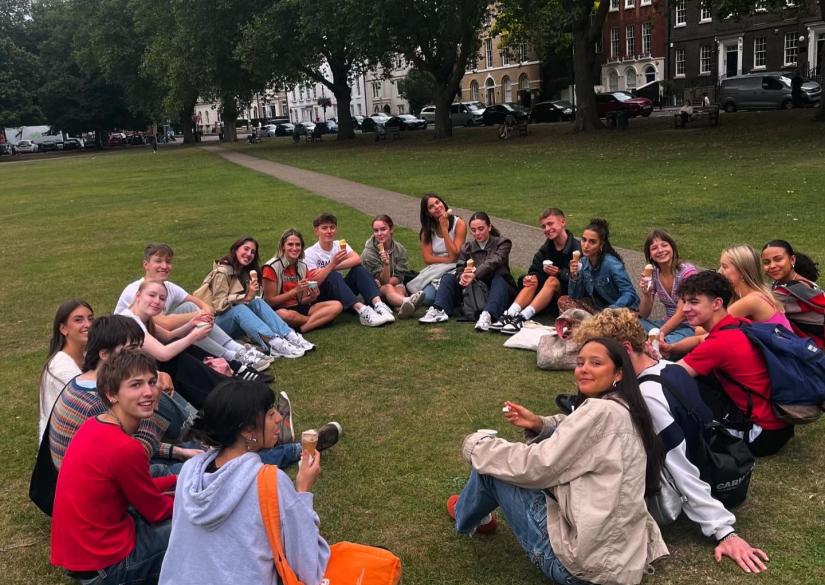
The school helps incoming students connect with one another to find accommodation together.
Activities Rambert School of Ballet and Contemporary Dance
The main direction of extracurricular activities is creativity: students practice the knowledge gained in the classroom during performances, musical concerts in honor of holidays, during outdoor events in theaters, concert halls.
Due to the proximity to the cultural and historical sights of London, students of the Rambert School of Ballet and Contemporary Dance have a variety of opportunities to spend their free time: from immersion in tasting dishes from different countries in local restaurants, going to the cinema and theaters to visiting internationally famous museums, trips to the countryside for a walk.
Advantages
- Registered with the Office for Students and an independent higher education provider since 2022. From the 2026/27 academic year, the Foundation Degree, undergraduate, and postgraduate programs are externally validated by the Royal College of Music, which confers the corresponding degrees,
- Extensive network of partnerships to provide practical skills, performance experience,
- A modern campus near London, which allows you to gain not only qualified knowledge, but also cultural experience,
- Multicultural student community – 34% of students are from 21 countries,
- Highly qualified teachers with personal achievements and many years of teaching experience,
- A Student sponsor license and registration with UK Visas and Immigration,
- Membership in Access Ballet Collective to work collaboratively on accessibility in dance education and practice.
Facilities and equipment at Rambert School of Ballet and Contemporary Dance
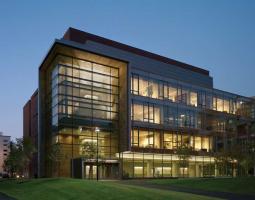
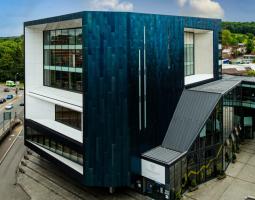
The Rambert School of Ballet and Contemporary Dance is located near London. The campus has all necessary and modern equipment:
- Learning spaces for collective, independent academic work,
- Movie viewing area,
- Computer room with printing and photocopying equipment,
- Wi-Fi and specialized software,
- Library with book depository, access to a number of electronic resources through Open Athens,
- Studio Theater: Anya Linden Studio Theatre, with a dedicated entrance for performances and a small foyer,
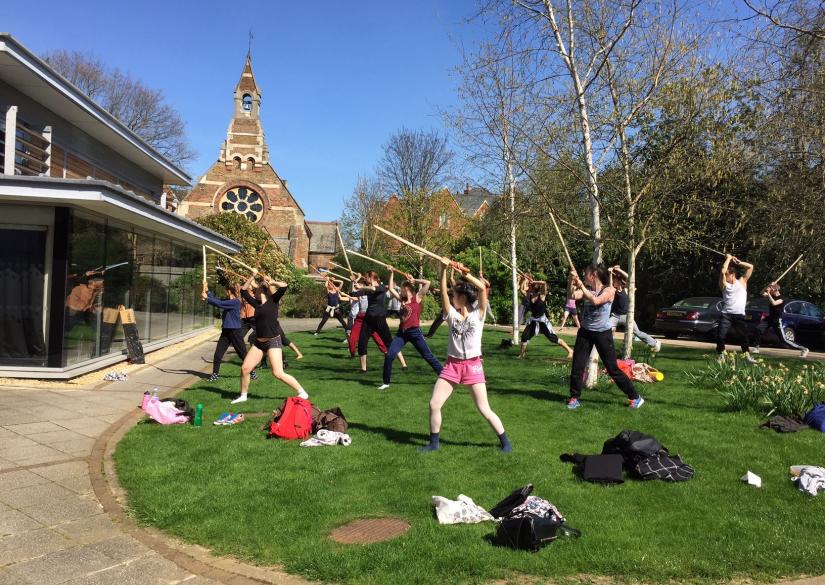
- Violet Needham Chapel, a Grade II listed building that houses Weston Studios,
- Rehearsal rooms,
- Gym,
- Department of Screening, Treatment and Rehabilitation for Physical Fitness and Pilates, Corrective Coaching.
Students can borrow costumes from a well-stocked wardrobe to fully immerse themselves in the performance of their desired productions. The student lounge is open at any time and is an ideal place to relax, have a snack, socialize.
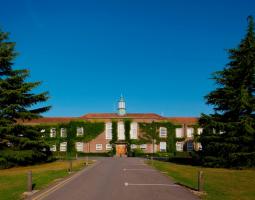
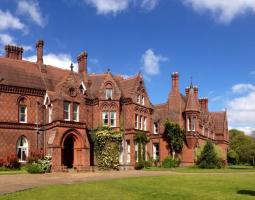
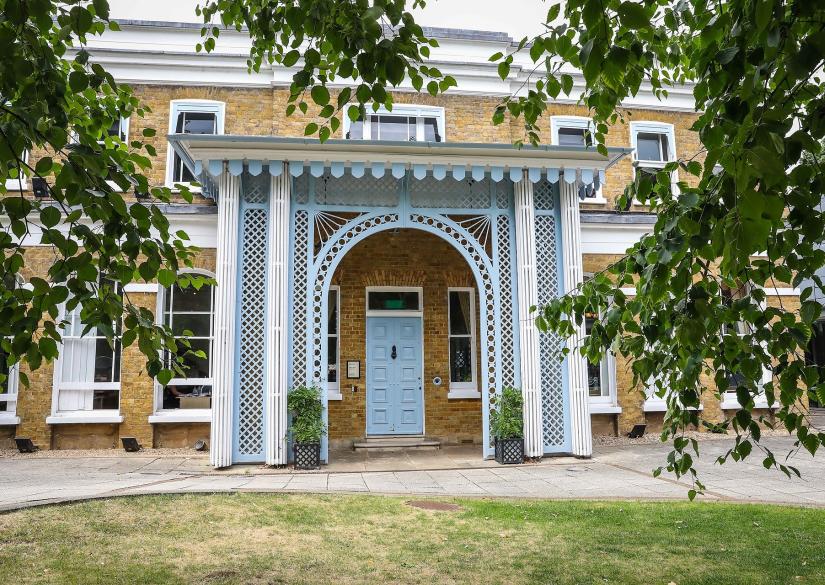
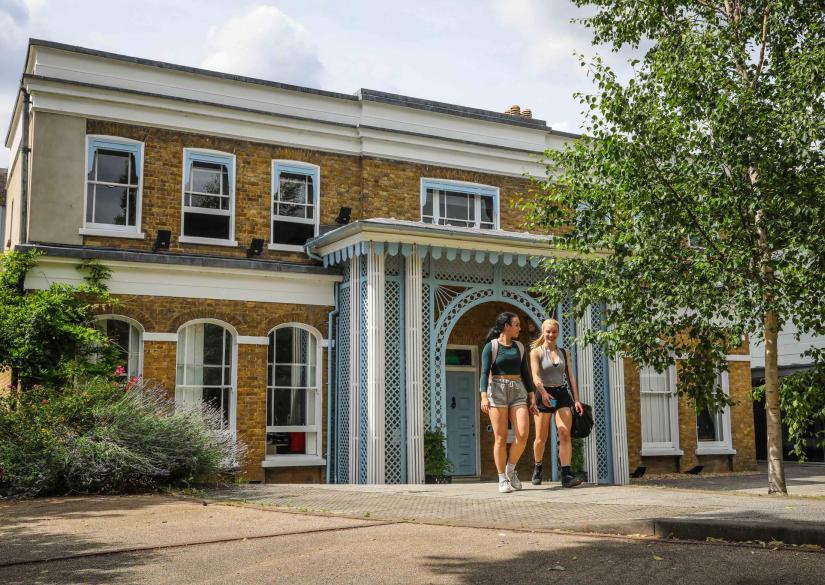
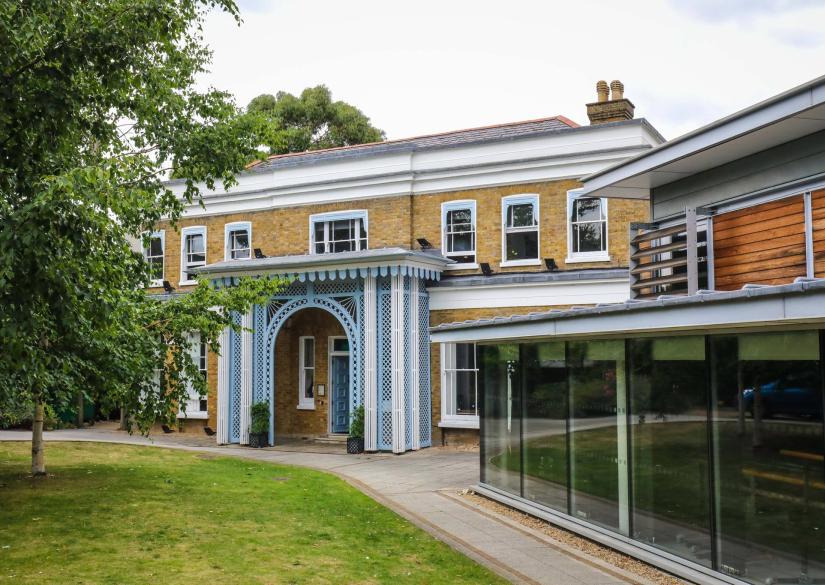
The school has two sites. Clifton Lodge is the main site and houses the studio theater. The grounds include gardens. Violet Needham Chapel also houses Monument Studios.
The nearest rail station, St Margarets, is a 10-minute walk away. Richmond station is accessible by bus or a 25-minute walk and is served by South Western Railway, the District Line, and London Overground.
Admission dates and extra charges
The academic year consists of three semesters:
- Autumn: September-December,
- Spring: January-April,
- Summer: April-July.
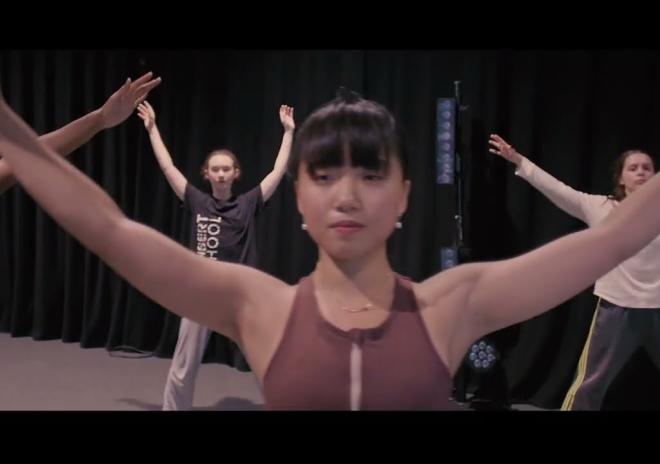
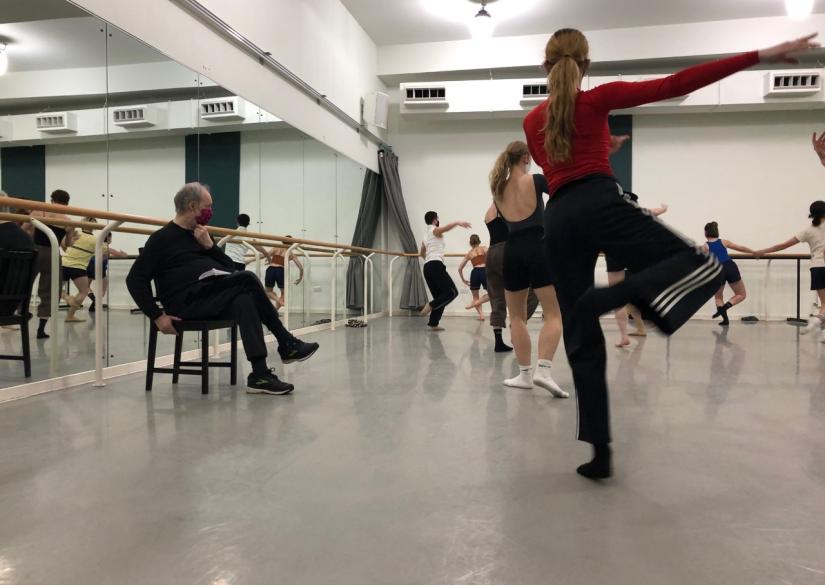
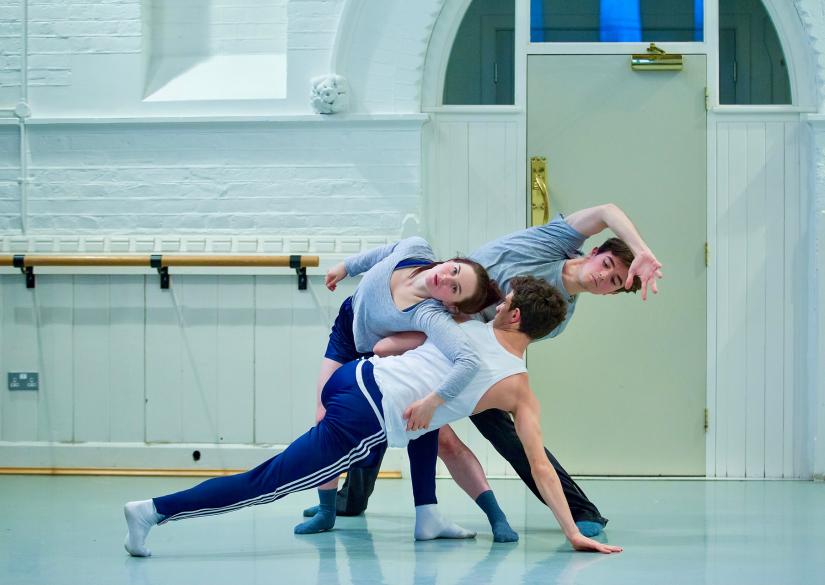
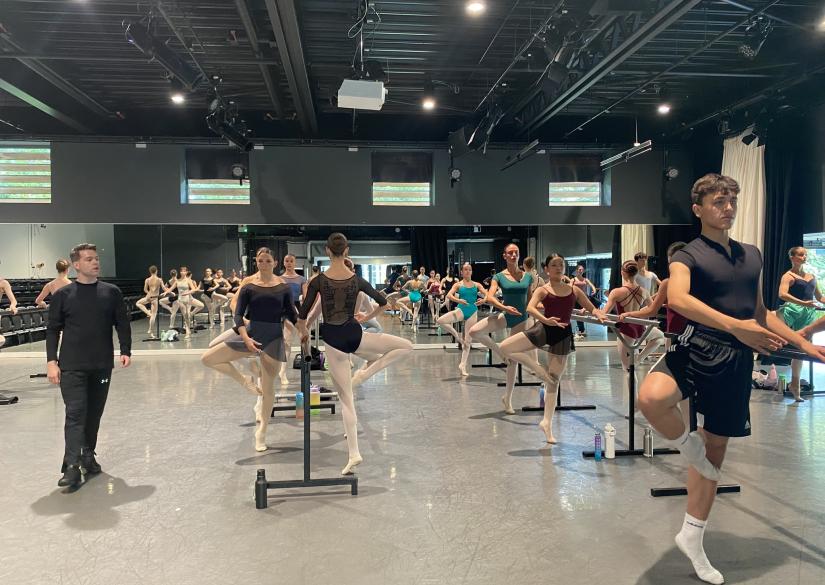
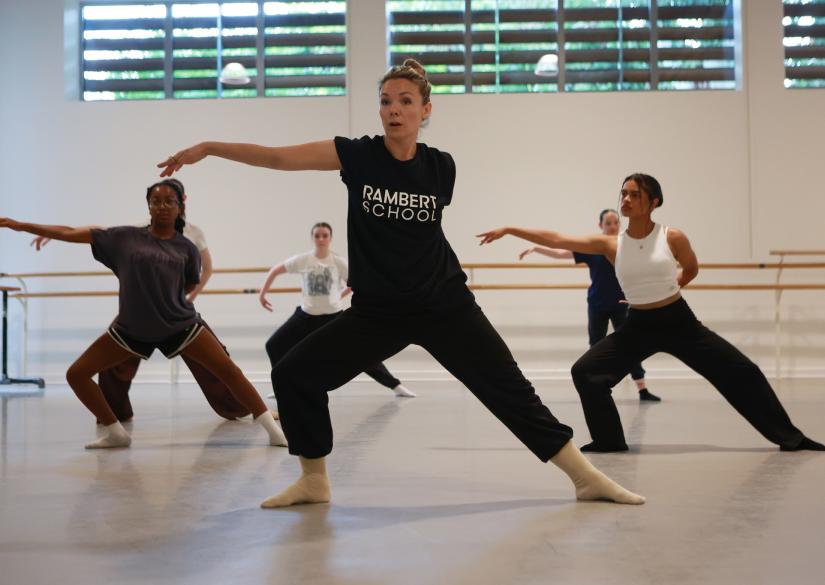
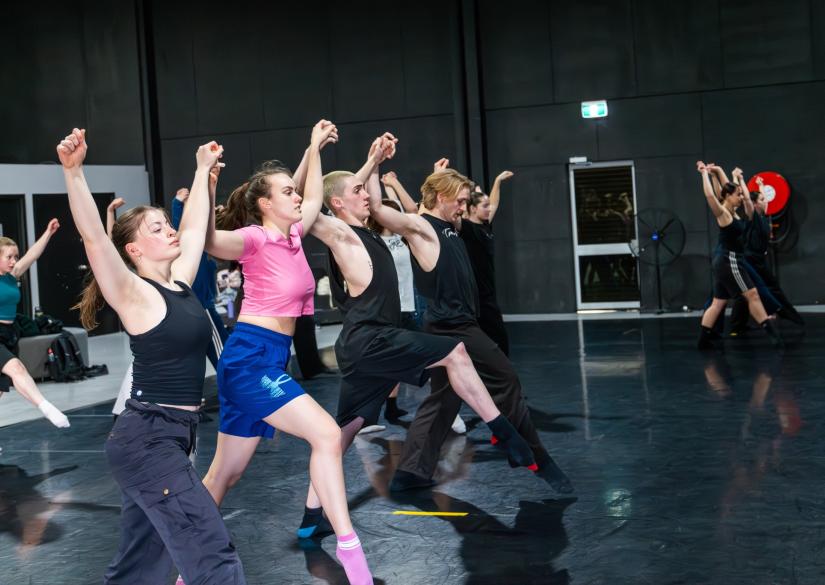
Free time from study is provided on weekends, days of international and national holidays, seasonal holidays. The educational days include a wide range of classes, from technique lessons to choreography, rehearsals and research. Ballet classes are usually held in the mornings in groups of the same sex, with additional pointe classes for women and virtuosity classes for men. Students get together for a pas de deux class. Modern dance classes usually take place in the afternoon: a group of experienced teachers conducts classes on the techniques of Graham and Cunningham, other modern styles. Students are also introduced to a variety of dance styles during Fresh Fridays, weekly master classes by guest teachers. Classes in choreography, improvisation and critical studies are also held in the afternoon.
For first-year master’s students induction and the start of the autumn term took place in October. The term is scheduled to end in December. The spring term is scheduled for January–March, and the summer term for April–July.
Approximate list of additional costs includes:
- Registration fee,
- Accommodation, meals,
- Customized educational materials such as training kits, pointe shoes and others,
- Study materials,
- Some extracurricular activities,
- Additional academic opportunities,
- Personal expenses.
The application fee is nonrefundable if the applicant is not offered an audition.
Foreign students need to budget for the visa application fee and the mandatory Immigration Health Surcharge when applying for a visa.
Enrolment process
International applicants will have to fill out a registration form and submit the required documents, after which they will pay the registration fee. The Admissions Committee will send an official invitation to a two-stage audition and interview, based on the results of which it will make a decision on admission.
Enrolment statistics
The Rambert School of Ballet and Contemporary Dance has a reputation as a world leader, but it is still a chamber school with only 50 students enrolled in the courses each year.
Perspectives
Rambert is renowned for producing passionate, expressive dancers and innovative choreographers. These results are no coincidence: they are achieved through a strong emphasis on performance throughout the course and ongoing opportunities for students to develop their creativity. Rambert alumni are currently dancing in renowned groups around the world:
- BalletBoyz,
- Phoenix Dance Theatre,
- Richard Alston Dance Company,
- Mark Bruce Company,
- Shobana Jeyasingh Dance Company,
- Ballet Black,
- Sydney Dance Company,
- Cullberg Ballet,
- Ballet Nationale de Marseille,
- National Dance Company Wales,
- Matthew Bourne's New Adventures,
- Studio Wayne McGregor,
- Michael Clark Company,
- Martha Graham Company.
Alumni include some of the most prominent British choreographers of our time, including Frederick Ashton, Ariel Smith, Anthony Tudor and Christopher Bruce, who have found success with their own companies, such as the Mark Bruce Company and The London Ballet Company. Former students have been nominated for Olivier Awards, Golden Globe Awards, and won awards such as BBC Young Dancer, Critics' Circle Dance, and Tony.
Entry requirements, how to apply, what is required to enrol
Prospective students of Rambert School of Ballet and Contemporary Dance must have a full set of personal documents if they come from abroad: passport, life insurance, health insurance and physical health certificates, visa or residence permit in England. All classes are taught in English. Foreign applicants need at least B1 English for the Foundation Degree and B2 for the BA (Hons) top up, demonstrated through a test recognized by UK Visas and Immigration. A SELT certificate is recommended.
Admission is carried out on the basis of a two-stage audition. This applies to the Foundation Degree and BA (Hons) programs.
- Applicants must be at least 16 for first-year entry or 17 for direct entry to the second year, as of 1 September of the year of enrollment. There is no upper age limit,
- First-year applicants need previous relevant training in ballet and/or contemporary dance. Foreign Foundation Degree applicants are expected to have a school-leaving certificate or professional vocational training at an appropriate level from a recognized UK or overseas institution,
- Foreign BA (Hons) applicants need five GCSE passes or predicted passes at grades 9–1, or equivalent qualifications, including English, or a relevant Level 3 qualification, such as BTEC or A-Level, or appropriate professional vocational training. They also need a relevant Foundation Degree comparable to 240 credits at FHEQ level 5, or equivalent prior training,
- The audition consists of a warm-up, a ballet class with pointe work for applicants with prior pointe training, a contemporary class with creative work or improvisation, and a prepared solo performed for the panel. The recommended maximum duration of the solo is one minute. Original choreography is preferred to classical repertoire,
- Recognition of qualifications earned outside the school or comparable experience requires a 500–700-word reflective report on participation in a dance-related project or activity and the lessons learned,
- Foreign students, including EU, EEA, and Swiss nationals, need a visa to study in the UK unless they have Settled or Pre-settled status.
The research master’s program has separate entry requirements:
- Applicants usually need at least three years of professional experience in dance or a professional dance setting and a bachelor’s degree with a minimum UK classification of 2.1. Experience and readiness for postgraduate study are assessed individually,
- The usual minimum age is 21. There is no upper age limit,
- Applicants whose first language is not English need an English language test with an average score of 6.5 and at least 6.0 in reading and writing,
- Required documents include a completed application form, a personal statement, and either a written assignment at UK qualification Level 6 or a reflective report. A Curriculum Vitae is optional,
- An interview is conducted in person or online.
Scholarships Rambert School of Ballet and Contemporary Dance
Rambert does not offer full scholarships, but provides international students with partial financial support based on individual needs, financial difficulties.
The school provides financial support through its Student Bursary Fund. Charity grants for people working in the arts may be available for master’s study. A limited number of application fee waivers are offered.
The Sarah Rubidge Research Award supports outstanding research by BA and MA students and graduates up to one year after graduation. Each year, up to two awards support the development and dissemination of research during the year following nomination. Support offers individual mentoring.
Candidates for the award are nominated by individuals associated with the school. Recipients are selected by a subcommittee of the Research, Knowledge Exchange and Ethics Committee that includes external members. Eligible work includes academic writing, performance projects and presentations, work with the local dance community, publications for practitioners, and new choreographic projects, including digital work. Assessment considers the originality and professional standard of the research, its impact on the researcher’s development and the local community, its potential contribution to the dance sector, and how the findings are presented.
Institution on the map
Residence permits, citizenship and other services
- Guardianship services during the studies
- Student supervision
Review about Rambert School of Ballet and Contemporary Dance
Recommendations on when to apply
| Language courses, schools and children's language camps | Primary and secondary education - private schools | Preparation programmes for entering universities - higher education | Higher education (after completing accredited programs A-level, IB, High School) - Bachelor, Master, MBA |
| - we recommend to apply 6-9 months before the start of the course (some camps and schools offer discounts for early booking or for lengthy study programs) - there are some very popular and high demand children's camps, where the applications need to be submitted 1 year in advance (in particular Switzerland , Great Britain , USA , Canada , Austria) | - we recommend to apply one year before the start of the training program, - some schools have a specific time frame (September-November - please specify an individual school) - some schools require tests in several stages (UKISET, internal tests of the school: English, mathematics, logics, subjects, interview, some require a personal visit) | - we recommend to apply one year before the start of the program, - for Foundation and Pathway programs, IELTS and TOEFL certificates are usually required, respectively | - recommended submission one year before the start of the program, - the deadline normally closes in January, for TOP HEIs and, as a rule, in March in other universities - for a bachelor, a Foundation or Pathway preparatory program a completed A-level, IB, High School + IELTS / TOEFL are required - for Masters you need a graduated higher education, in some cases you need a pre-Masters program - MBA requires completed higher education, work experience preferably at least 2-3 years, etc. |