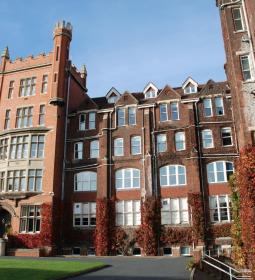

Iceland was the last northern (Scandinavian) country that allowed foreign students to study at its universities free of charge. Now, however, Government Bill 443 has been passed: starting from the 2027/28 academic year, all students from countries outside the EEA (European Economic Area) will pay full tuition at the country's public universities.
Exact prices are not yet known: the government has allowed universities to determine the tuition amount independently, but they must finalize their calculations by the end of 2026.
Do Many Foreign Students Study in Iceland?
Iceland cannot be called a major educational hub: in 2025/26, there were 3,044 foreign students at the country's universities, and 1,737 of them were from non-EEA countries (which, given the small population — around 400 000 people — is quite a respectable share). The share of incoming non-EEA students has grown from 3.89% to 7.44% since 2018/2019, surpassing the figures for Denmark, Finland, Sweden, and Norway.
The introduction of tuition for foreign students has been under discussion since 2024 — a trend currently seen across the world as a whole. However, the consequences are similar everywhere: Icelandic universities now fear that the number of international students will decline, and it is important to preserve not only student numbers but also the diversity of the student community and the accessibility of education for everyone, including families with limited means.
Exceptions under the new law apply to non-EEA students who hold permanent residency in Iceland. In addition, the authorities intend to support international students with dedicated scholarships based on academic achievement (merit-based scholarships).
What Else Is Changing in Iceland's Education Sector
- Foreign graduates may now remain in the country to search for work for 18 months only, down from 3 years previously.
- Academic performance requirements for residence permit renewals have been tightened: completion of at least 75% of the full course load is now required.