Florida Polytechnic University




Programs and prices, tuition fees in Florida Polytechnic University


Bachelor's Degree Programs
- Age of students — from 18 years old,
- The studying period is four years.
Bachelor's degree programs offer Bachelor's of Science degrees in the following directions:
- Aerospace Engineering,
- Applied Mathematics,
- Biomedical sciences,
- Business analytics,
- Civil engineering,
- Computer Engineering,
- Computer science,
- Designing cybersecurity systems,
- Data Science,
- Electrical engineering,
- Engineering Physics,
- Environmental engineering,
- Industrial Engineering,
- Mechanical Engineering,
- Physics.
Master's Degree Programs
- Age of students — from 21 years old,
- The studying period is one to two years.
Florida Poly offers five specializations, each of which allows to obtain a Master of Science degree.:
- Computer science,
- Data Science,
- Electrical engineering,
- Engineering project management,
- Mechanical engineering.
Most programs are taught on campus in a full-time format, the specialty "Engineering Project Management" is organized online, and "Data Science" is a hybrid program that combines academic classes on campus in the evenings and distance lectures.
For gifted, academically successful students, a 4+1 form is available at the university, which gives them the opportunity to enroll in courses of another specialization in their final year of study in order to expand their career prospects.
Description of Florida Polytechnic University
- Location: Lakeland, Florida, USA,
- Year of foundation: 2012,
- Number of students: about 1900,
- Language of instruction: English,
- Type of study: mixed.
Florida Polytechnic University (Florida Poly) is a public US university that has become the newest in a group of 12 institutions of higher education in Florida. It is the only university in the state that fully specializes in STEM science disciplines.
Officially opened in 2012, Florida Poly traces its history back to 1988 — for more than 20 years it operated as a branch of the University of South Florida. In 2008, the institution settled on a separate campus and was named the Polytechnic University of South Florida, and then, in 2012, it was reorganized into an independent university. In 2014, the first students were accepted — 554 people enrolled in bachelor's degree programs, wishing to receive a sought-after STEM education. Today, Florida Poly has full accreditation, highly qualified teaching staff, more than 1,900 students, including international students, and a modern campus with opportunities for obtaining applied professional skills. It holds leading positions in many national and international rankings, and is distinguished by one of the most technologically advanced campuses among US educational institutions.
There are 13 bachelor's degree programs and five Master's degree specializations focused on the study of STEM fields: science, technology, engineering and mathematics.
Educational process
Florida Poly collaborates with dozens of national and regional organizations, including Microsoft, Cisco, Mosaic, and others: through partnerships students secure internship positions, attend scientific conferences, and actively participate in project activities with qualified company employees.
Faculties and colleges
The university specializes in four areas of STEM: science, technology, mathematics, and engineering.
Scientific achievements
Several major research institutes operate at Florida Poly:
- Florida Institute of Industrial and Phosphate Research (FIPR) — supports research related to phosphates aimed at improving environmental conditions, protecting public health, and increasing the efficiency of mining and processing. FIPR Institute staff, biologists, engineers, and chemists also conduct their own research, and the institute supports some topics unrelated to phosphates, such as energy, mining and processing of other minerals.
- Institute of Advanced Mobility Technologies (AMI) is engaged in the development and testing of technologies related to autonomous vehicles (AV). AMI is not only unique to the state but also one of the largest university centers in the country specializing in a narrow field of testing and validation of AV technologies.
Accommodation, meals, prices
There are three residences on the academic grounds, offering comfortable accommodation and a full range of additional amenities, proximity to academic buildings and the opportunity to participate in a variety of extracurricular activities throughout the year.
- Phase I — separate bedrooms in apartments for 2-4 people, fully furnished living rooms with a widescreen TV and a kitchenette, a washer and dryer in the room, a fitness center and rooms for group activities in the common area.
- Phase II — the building is larger than the first one and includes single and double rooms with access to common areas: kitchens, play areas with billiards and table tennis, study rooms and a living room with large TVs.
- Phase III is the newest residence with luxury rooms and common recreation areas: classrooms, living rooms. It provides modern accommodation for 420 students, who are accommodated in apartments with four bedrooms and two bathrooms, two- or three-room rooms.
The dining halls and cafes offer an extensive menu with dishes of national and international cuisine, healthy snacks and a variety of drinks. Students create a flexible meal plan, adjusting the number of meals per week and the meals needed to meet their needs. The main dining room operates according to the buffet system, while other food outlets publish a regularly updated menu in advance.
Activities Florida Polytechnic University
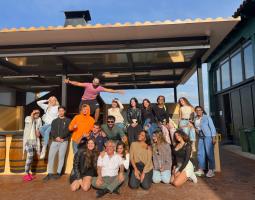
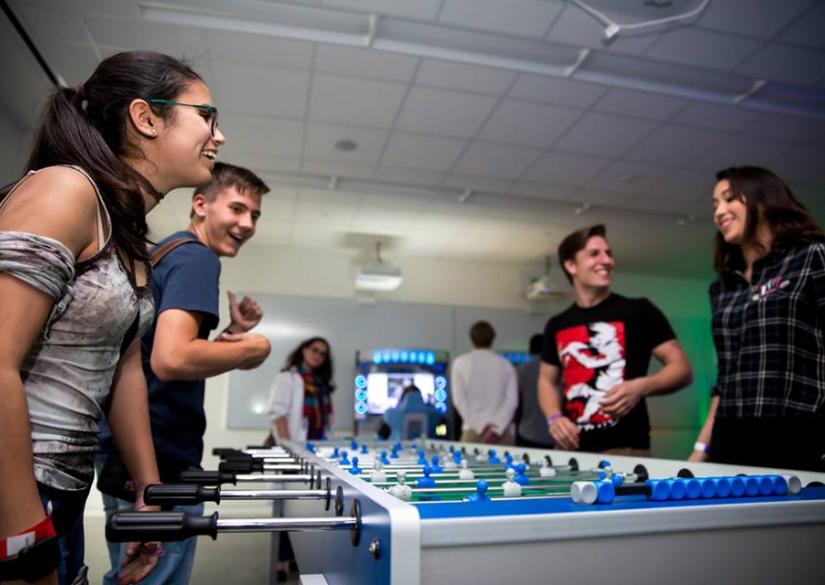
Florida Poly offers an extensive range of extracurricular activities focused on developing talent, finding new hobbies, an active lifestyle, and having fun.
National sports teams regularly train in outdoor areas and pavilions to defend the university's honor at regional and national competitions.:
- Baseball,
- Football,
- Basketball,
- Softball,
- Cross-country.
At the amateur level, training is conducted in weightlifting, swimming and diving, pickleball, table and lawn tennis, beach volleyball, dancing and other areas.
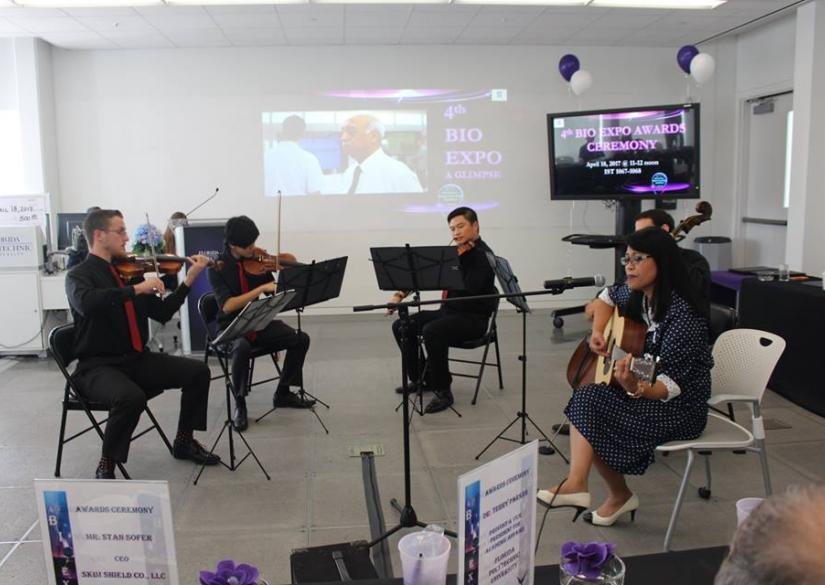
Florida Poly also supports creative teams by providing the opportunity to perform on campus stages and participate in cultural and festive events beyond its borders. Students study painting, modeling and sculpture, playing musical instruments, singing, and acting to develop their talents.
Another large—scale extracurricular activity is thematic communities: They are groups of like-minded people united by an area of interest and a desire to realize their ideas.:
- LEGO,
- Media, communications,
- Astronomy,
- Cybersecurity,
- Chess,
- Aviation,
- Board games,
- Collecting,
- Programming,
- Computer game development,
- Rock climbing,
- K-pop,
- Robotics,
- Creative writing.
Advantages
- Accreditation from SACSCOC and ABET,
- Specialized focus on STEM fields,
- The first university with a fully digital library,
- Student-to-faculty ratio — 17:1,
- Awarded the title «Best Public College in the South of the USA» for five consecutive years in the US News&World Report ranking,
- The computer science program ranks first in Florida according to Research.com,
- #1 in the ranking of institutions whose graduates have the lowest student debt,
- #3 in price-to-quality ratio among public institutions of the South in the US News&World Report ranking,
- For two consecutive years, included in the top 10 best universities in the USA for career advancement in the WalletHub list,
- Collaboration with regional and national STEM-focused organizations.
Facilities and equipment at Florida Polytechnic University
Lakeland ranks first among US cities in terms of growth rate, is one of the top five cities in terms of security, boasts dozens of hectares of greenery, plenty of places to explore culture, leisure and entertainment. Thanks to the good transportation facilities from Lakeland, you can easily get to Orlando and Tampa — the road will take no more than an hour, and the famous beaches of Florida are an hour and a half away.
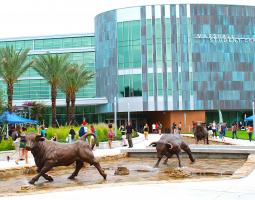
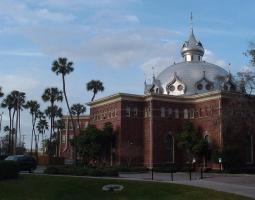
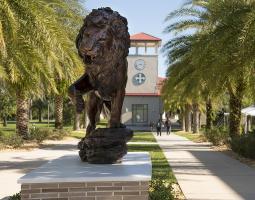
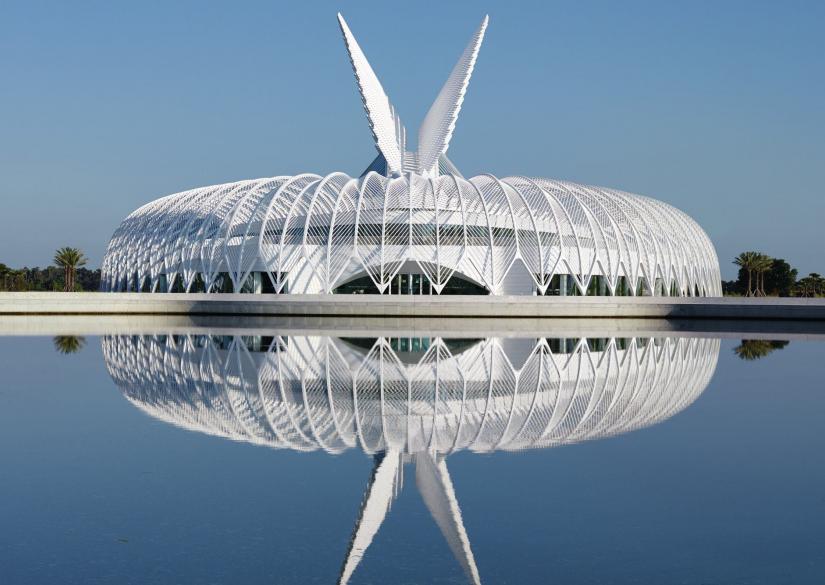
Florida Poly is located on a 170-acre campus and includes:
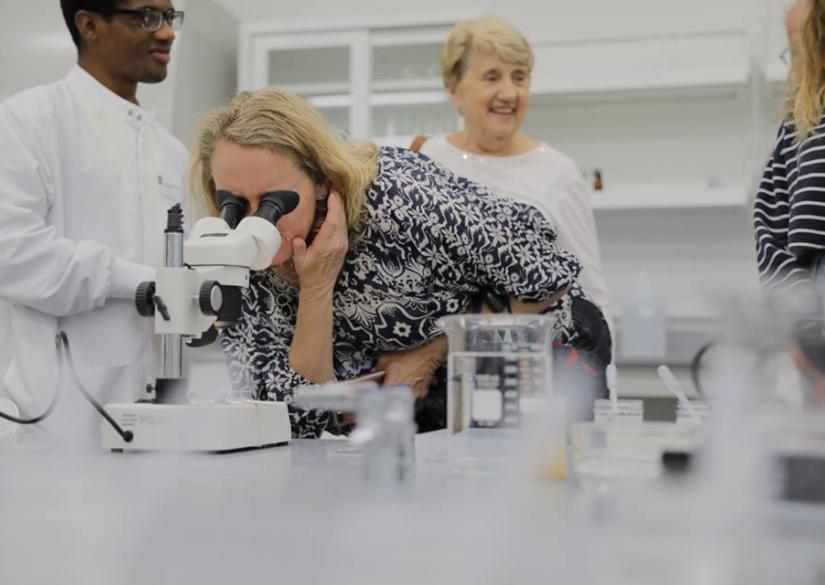
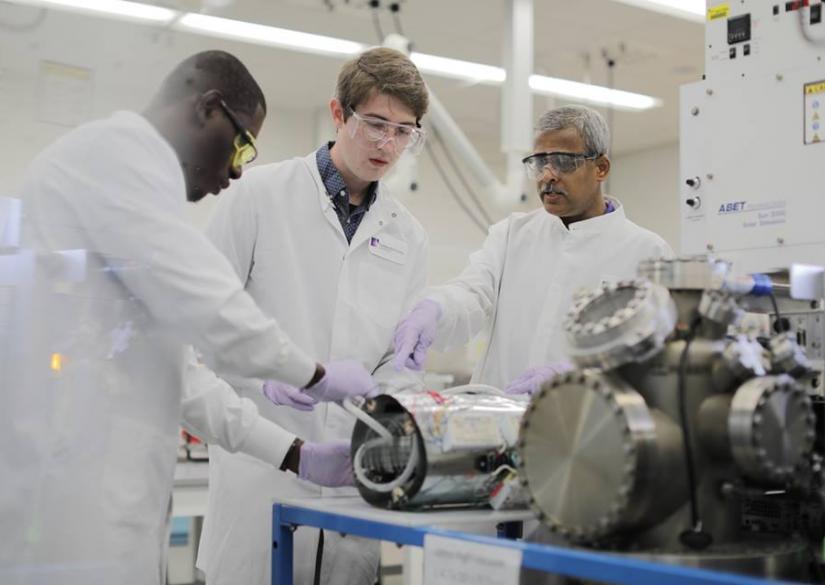
- There are 10 administrative and academic buildings: faculty and admissions offices, specialized centers for applied research, technological scientific complexes and other buildings. Each of the educational buildings has lecture and conference rooms, specialized STEM laboratories, computer classrooms and recreation areas, and self-study,
- Three residences,
- Three sports complexes: an esports arena, a fitness center and a Water sports center with several pools,
- Seven outdoor fields and training grounds for team sports, walking and running,
- Five dining halls and cafeterias,
- Student polyclinic.
Dozens of rooms have been prepared on the studying grounds, used both for individual classes with teachers and for meetings of student communities. Individual practice and self-preparation is an important part of the academic process, and students are assisted by a fully digital library: resources are available from PCs in computer classrooms, tablets, and mobile phones.
Admission dates and extra charges
The academic calendar consists of three trimesters:
- Autumn: August-December,
- Spring: January-May,
- Summer: May-July.
Classes in most full-time programs are held from Monday to Friday, and rest is organized on weekends and holidays, during seasonal vacations.
Additional expenses include:
- Registration and administrative fees,
- Accommodation and meal plan,
- Some extracurricular activities, contributions to student associations,
- Personal educational materials,
- Additional academic opportunities,
- Medical insurance, services as needed,
- Personal expenses.
Enrolment process
The admission process for international applicants to Florida Poly consists of several stages:
- Completing the international online application,
- Submitting required documents,
- Receiving assistance with visa processing, if necessary,
- Paying the entrance fee to reserve a spot in the program,
- Arriving at campus by the start of classes.
Entry requirements, how to apply, what is required to enrol
International applicants wishing to enter Florida Poly must provide:
- Personal documents: passport, medical insurance and health certificates, visa or US residence permit,
- Academic certificates from previous places of study: certificate of full secondary education, bachelor's degree and official transcripts, final exam results,
- Results of the TOEFL, PTE, Duolingo, or equivalent language test.
Additional requirements apply for students to Master's degree programs: two letters of recommendation from the previous place of study, and a letter of motivation.
Scholarships Florida Polytechnic University
Florida Poly offers six scholarships awarded to particularly successful students and freshmen who achieved high academic scores at their previous institution. In addition to university scholarships, students can access state and federal aid: Pell Grants and SEOG grants, scholarships for special populations, loans, and credits.
Literature and references
-
Florida Polytechnic University — Wiki

-
Florida Polytechnic University - Profile, Rankings and Data — U.S. News & World Report
-
Florida Polytechnic University — Niche
-
Florida Polytechnic University — Top Universities
-
Florida Polytechnic University — Data USA
-
Florida Polytechnic University Overview — College Factual
Institution on the map
Residence permits, citizenship and other services
- Guardianship services during the studies
- Student supervision
Review about Florida Polytechnic University
Recommendations on when to apply
| Language courses, schools and children's language camps | Primary and secondary education - private schools | Preparation programmes for entering universities - higher education | Higher education (after completing accredited programs A-level, IB, High School) - Bachelor, Master, MBA |
| - we recommend to apply 6-9 months before the start of the course (some camps and schools offer discounts for early booking or for lengthy study programs) - there are some very popular and high demand children's camps, where the applications need to be submitted 1 year in advance (in particular Switzerland , Great Britain , USA , Canada , Austria) | - we recommend to apply one year before the start of the training program, - some schools have a specific time frame (September-November - please specify an individual school) - some schools require tests in several stages (UKISET, internal tests of the school: English, mathematics, logics, subjects, interview, some require a personal visit) | - we recommend to apply one year before the start of the program, - for Foundation and Pathway programs, IELTS and TOEFL certificates are usually required, respectively | - recommended submission one year before the start of the program, - the deadline normally closes in January, for TOP HEIs and, as a rule, in March in other universities - for a bachelor, a Foundation or Pathway preparatory program a completed A-level, IB, High School + IELTS / TOEFL are required - for Masters you need a graduated higher education, in some cases you need a pre-Masters program - MBA requires completed higher education, work experience preferably at least 2-3 years, etc. |