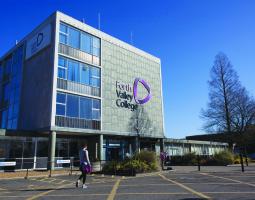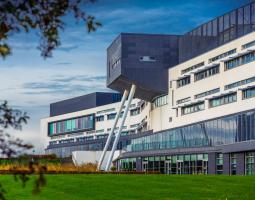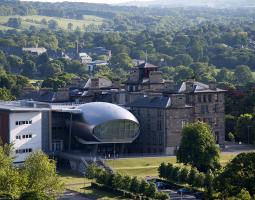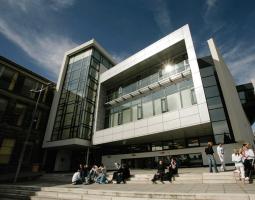
The University of Edinburgh

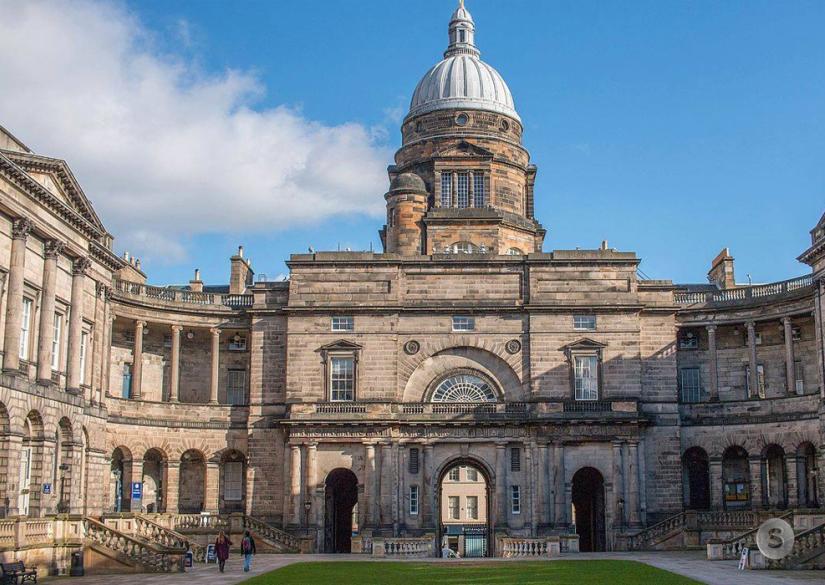
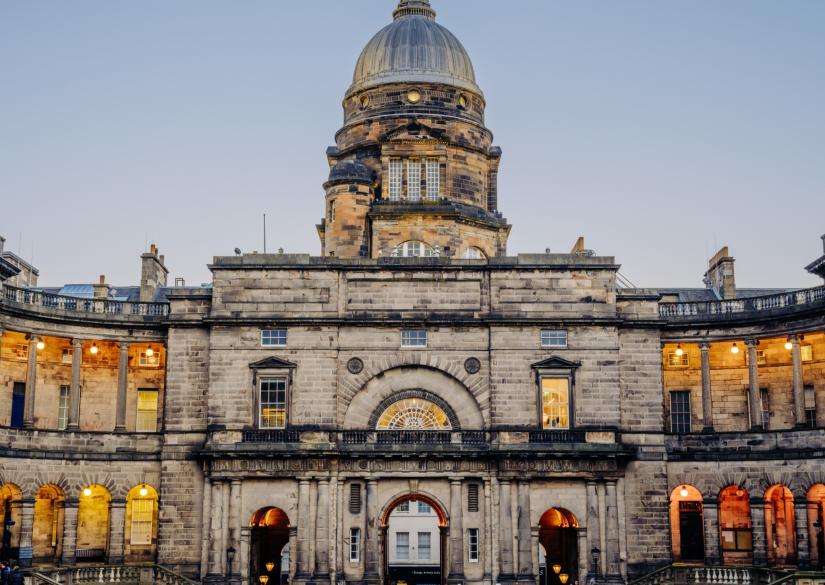
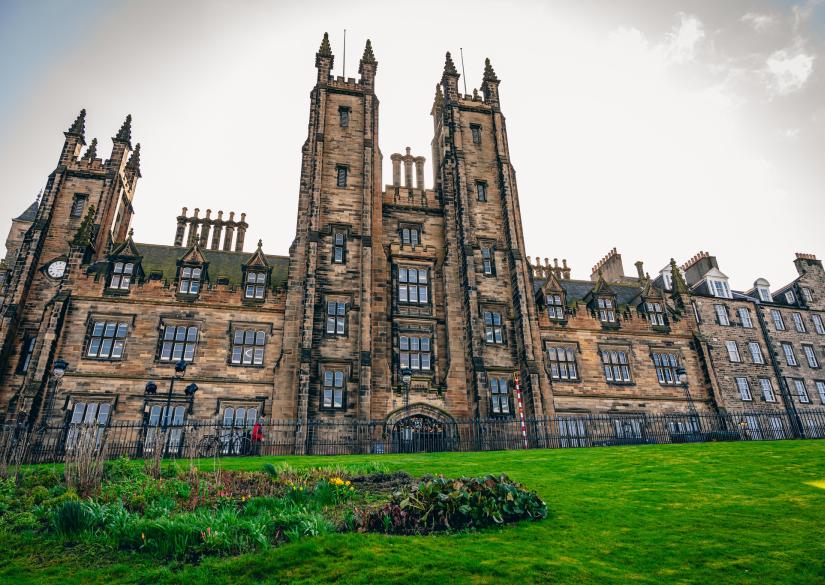





Programs and prices, tuition fees in The University of Edinburgh


Brief information about language courses for foreign students wishing to study at the undergraduate and graduate programs at Edinburgh University.
The language program of the academic profile includes theoretical and practical exercises. On the first students learn grammar, vocabulary. Practical interactive sessions in the form of discussions, work in mini-groups, debate contribute to the development of communication skills, fluency and clarity of speech, allow you to work out pronunciation.
- Student age: 17+
- Start dates: September, January, April.
- Requirements for enrollment: the level of English B1-B2.
- The result of the studying: improvement of English, acquisition of skills necessary for the successful delivery of IELTS, familiarity with the methodology for completing examination assignments.
Short information about preparatory profile program for undergraduate students.
The university offers two preparatory programs:
- For those wishing to enter public and humanitarian programs;
- For entrants of the faculties of Sciences, Engineering.
The course provides theoretical preparation of students in core subjects. Also the program includes a language module. Students study academic English: they improve their knowledge of grammar, get acquainted with thematic vocabulary, practice oral and written assignments.
- Student age: 17+
- Start dates: September, January
- Requirements for admission : Intermediate level of English.
- Learning outcomes: development of language, academic skills, filling knowledge gaps in subject areas, adaptation to university environment, with successful completion of the course - guarantee of enrollment in the undergraduate program.
Short information about higher education without narrow specialization within a specific academic direction.
Three-year program of studying specialists is offered in the field of:
- Theology;
- Social sciences;
- Engineering,
- Music;
- Natural sciences;
- Humanities,
- Veterinary medicine;
- Medicine;
- Rights
Students receive fundamental theoretical knowledge in the chosen field of science, develop practical skills necessary for the implementation of their professional activities.
- Student age: 18+
- Start dates: September.
- Requirements for admission: IELTS 7.0 (for most specialties, 6.5 in some departments), certificate (EB, A-level, IB,) GCSE-C.
- The result of studying: a bachelor's degree, a large career prospects in the chosen field of activity.
Short information about postgraduate program, distinguished by practical orientation and narrow academic specialization.
Master's programs in the field of medical, natural, humanitarian, public, exact sciences, engineering, and art provide for high-quality practical studying of students for future research, scientific, pedagogical activities. Theoretical modules of courses differ in intensity and specialization. Only profile disciplines are offered for study. Practical modules provide for the implementation of projects, research, internship.
- Student age: 21+
- Start dates: September
- Requirements for admission: IELTS 7,0 (minimum result is 6,0 for each skill), bachelor's degree, resume, recommendations, motivation letter, for creative specialties - portfolio.
- The result of the studying: a master's degree, work experience in the chosen field (acquired on probations), career prospects in Scotland, England, abroad.
Description of The University of Edinburgh
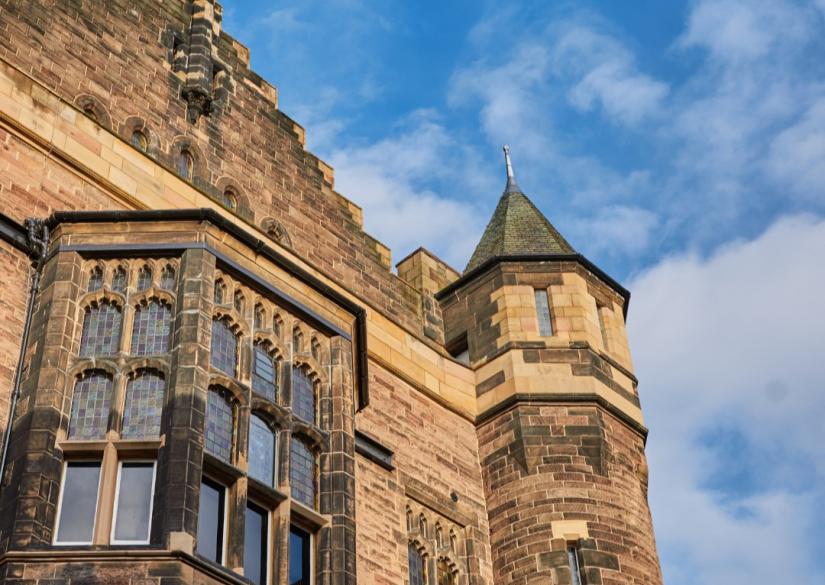
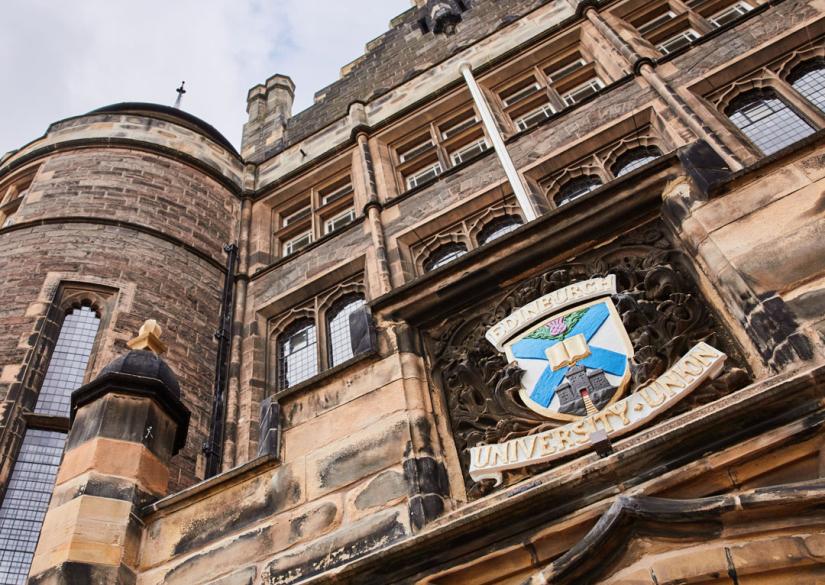
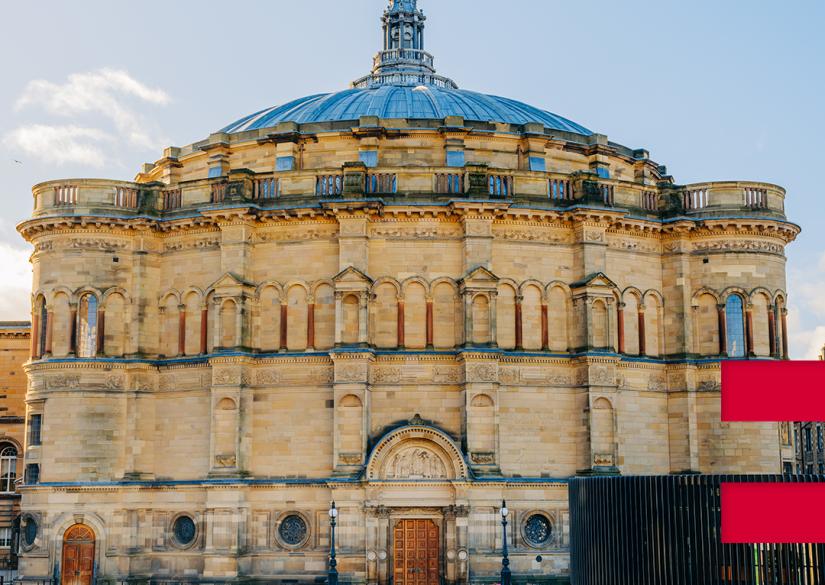
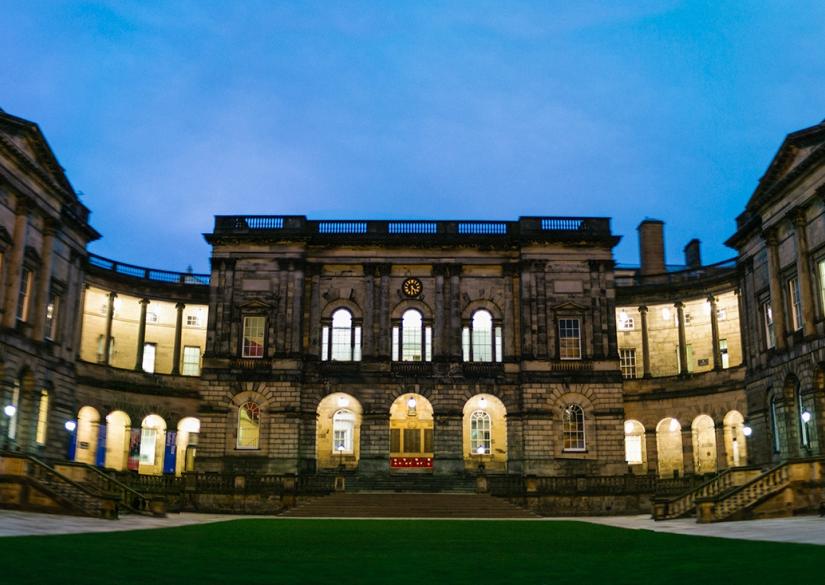
The University of Edinburgh is one of the oldest universities in Scotland. It has been preparing highly qualified specialists since 1583. Initially, the school accepted only children of British aristocratic families. In the 18th century, the University opened doors for foreign applicants. Today, the University of Edinburgh is chosen by many guests from Great Britain and Scotland. The contingent of the university in Edinburgh totals 31000 students from 120 countries.
The institution attracts foreign students with high quality of educational services, excellent level of service, teaching, reputation and ranking. University of Edinburgh is one of TOP-20 universities in the world. Certain areas and faculties are considered to be the best in Scotland. This applies primarily to the humanities and art.
The University of Edinburgh as Edinburgh college provides higher and further education.
World rankings - QS, The Times, Academic Ranking of World Universities at Shanghai Jiao Tong University - for the last 2 years have included the University of Edinburgh in TOP-30 universities in the world.
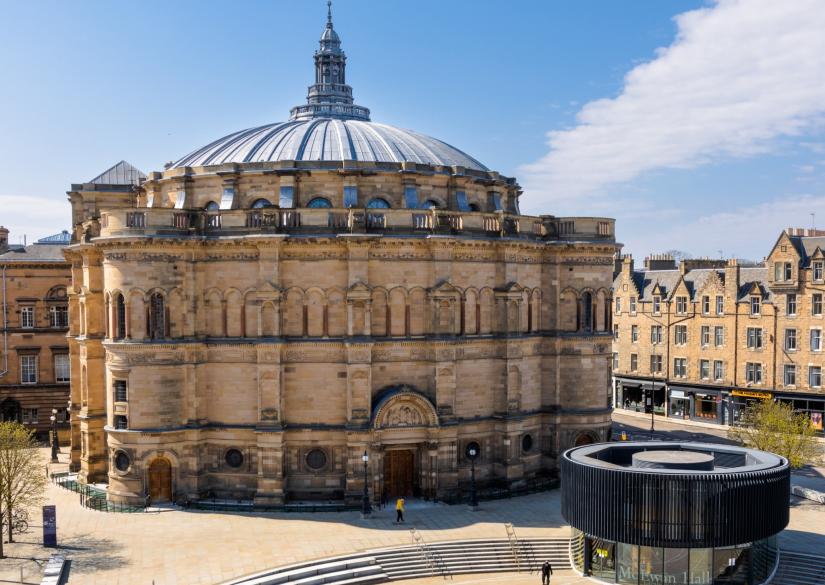
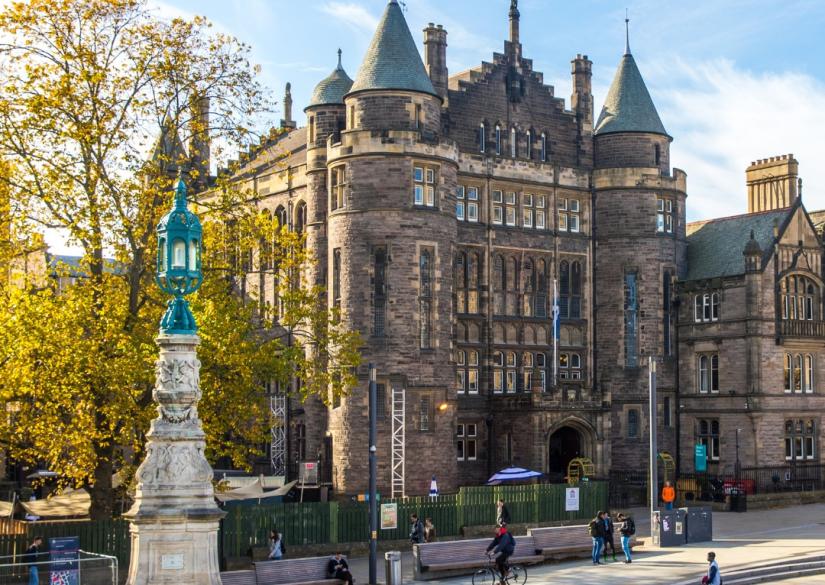
The university is located in the center of Edinburgh: the inspiring capital of Scotland is one of the great cultural centers in Europe.
Educational process
New students receive the time and support they need to settle into the university environment.
Faculties and colleges
- Short courses in a range of subjects last from a few hours to several months and are available online, on campus, or in a blended format,
- University of Edinburgh offers Modern Apprenticeships.
Scientific achievements
- University of Edinburgh ranks 4th in the UK for research power.
Accommodation, meals, prices
The University's housing stock is represented by 4,100 places in residences on the campus. Comfortable accommodation in the hostel is guaranteed to every undergraduate student. Residences are equipped with cozy rooms with private facilities. 1-2 person accommodation is available on a self-service basis (meals, cleaning).
Master's students are offered a choice of accommodation in:
- Residences
- Apartments
- Private apartments.
In some cases, additional paid service (cleaning, integrated nutrition) is possible.
Subjects, specialties
Activities The University of Edinburgh
Student life includes competitions, concerts, plays, shows, and hands-on workshops. The university has several dozen interest-based clubs and sports groups. On weekends, students can take excursions around Scotland and other parts of the UK.
The university’s annual Festival of Creative Learning brings together events held throughout the year to explore creative education and new approaches, culminating in a curated program. The Festival gives participants opportunities to gain knowledge and skills, meet students and faculty from different departments, and test their ideas in a low-risk environment. Students and staff can propose their own events. The Festival is supported by the Institute for Academic Development.
Edinburgh has Michelin-starred restaurants, concert venues, museums, and art galleries. Students can also take trips outside the city.
Daily routine
A typical daily schedule includes lectures, seminars, workshops, electives, and independent study.
Advantages
- The University of Edinburgh offers a broad range of programs combining practical training with international academic standards. Its strengths include art, the humanities and social sciences, education, law, management, and health,
- The university belongs to the Russell Group, Universitas 21, and the League of European Research Universities. Its research has international significance,
- International students can receive advisory, administrative, and financial support, including several scholarship programs,
- An Edinburgh degree is recognized in many countries, and graduates are valued by employers in the UK and Europe,
- The university has one of Scotland’s most active student communities,
- Students receive a strong foundation in their chosen specialization, with opportunities for sports, physical development, and varied leisure activities.
Facilities and equipment at The University of Edinburgh
The campus includes academic buildings, a library, student housing, recreation areas, cafes, and several stores. Its technical resources are among the most modern in Scotland. Classrooms, lecture halls, and laboratories have the equipment needed for academic work.
University of Edinburgh's sports and training facilities are considered among the best in the UK. Students and faculty have access to Pleasance & Gym, the Peffemill playing fields, the Firbush outdoor center, a gym, dedicated swimming and climbing facilities, and the FASIC Sport & Exercise Medicine Clinic. The sports facilities are also open to local residents.
Edinburgh Waverley train station and Edinburgh Bus Station are within walking distance of the Central campus. Several bus services pass close to the university's campuses.
Admission dates and extra charges
Studying period lasts as in Edinburgh private schools: from September to June.
Scholarships The University of Edinburgh
- The university allocates millions of pounds to student financial support each year,
- International students may apply for scholarships or loans from their home country or region.
Institution on the map
Residence permits, citizenship and other services
- Guardianship services during the studies
- Student supervision
Review about The University of Edinburgh
Recommendations on when to apply
| Language courses, schools and children's language camps | Primary and secondary education - private schools | Preparation programmes for entering universities - higher education | Higher education (after completing accredited programs A-level, IB, High School) - Bachelor, Master, MBA |
| - we recommend to apply 6-9 months before the start of the course (some camps and schools offer discounts for early booking or for lengthy study programs) - there are some very popular and high demand children's camps, where the applications need to be submitted 1 year in advance (in particular Switzerland , Great Britain , USA , Canada , Austria) | - we recommend to apply one year before the start of the training program, - some schools have a specific time frame (September-November - please specify an individual school) - some schools require tests in several stages (UKISET, internal tests of the school: English, mathematics, logics, subjects, interview, some require a personal visit) | - we recommend to apply one year before the start of the program, - for Foundation and Pathway programs, IELTS and TOEFL certificates are usually required, respectively | - recommended submission one year before the start of the program, - the deadline normally closes in January, for TOP HEIs and, as a rule, in March in other universities - for a bachelor, a Foundation or Pathway preparatory program a completed A-level, IB, High School + IELTS / TOEFL are required - for Masters you need a graduated higher education, in some cases you need a pre-Masters program - MBA requires completed higher education, work experience preferably at least 2-3 years, etc. |