Dartmouth College Summer Camp




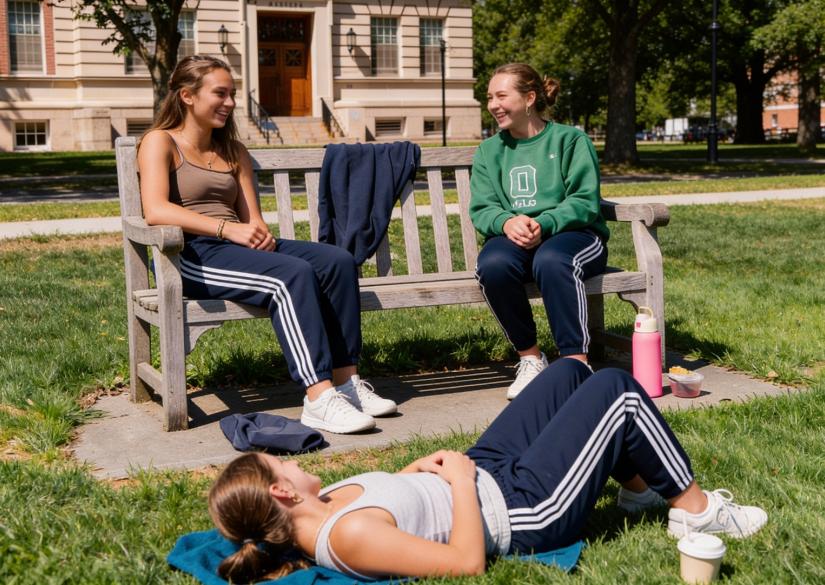
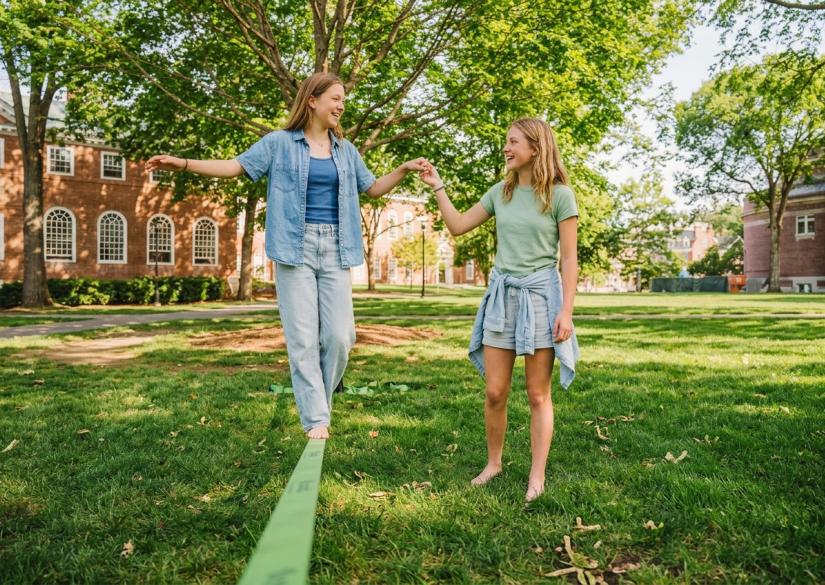


Programs and prices, tuition fees in Dartmouth College Summer Camp


Dartmouth Summer Scholars pre-college academic enrichment programs
- Educational program— 9–12 grades,
- Duration of study — 2 weeks.
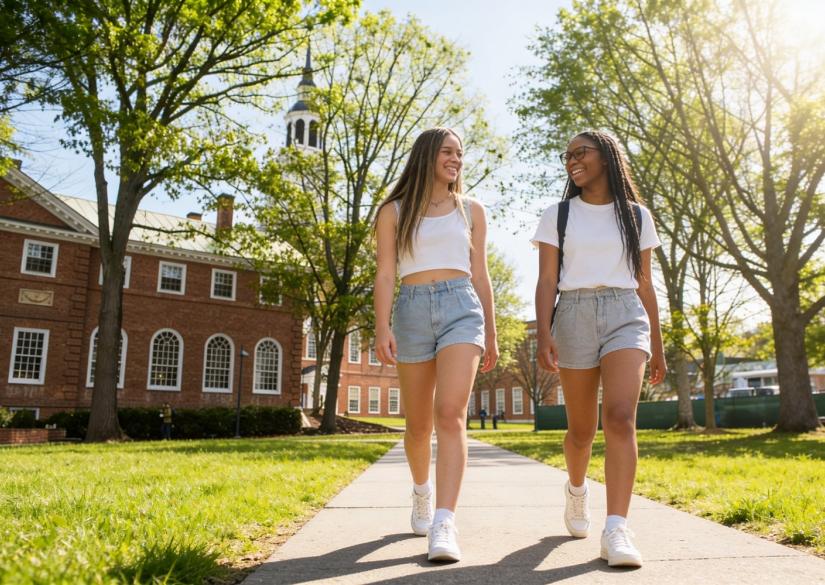
These are intensive courses developed by Dartmouth College educators, taught by its staff and experienced guest lecturers. Summer sessions at Dartmouth College — is not just studying, but a launchpad into the world of higher education that prepares foreign students for potential life in college and beyond. Students of the summer camp receive an ideal combination of learning and fun on campus, make lifelong friends and often return after completing the session to enroll in the main courses of the college.
A variety of study areas at Dartmouth Summer Scholars cover thematic areas such as:
- STEM,
- psychology,
- art,
- law,
- business and entrepreneurship,
- mathematics,
- natural sciences,
- creative writing,
- medicine,
- engineering,
- design thinking,
- leadership courses.
Among the most popular courses are — «Fundamentals of Criminal Law: Elements and Process», «Business Fundamentals», «Brain Health: From Diagnosis to Prevention».
All courses are taught by experts and leaders in their respective fields. Specialized programs help foreign teenagers achieve results that help them improve their performance before entering college. In addition, students take career guidance tests to determine their future career goals and suitable areas for this in American colleges and universities.
Classes take 5+ hours a day. At the end of the study sessions, some courses are completed with presentations that foreign teenagers demonstrate to a group of selected participants and members of the academic community.
Dartmouth Leadership Institute
- Study group — 9–12 grades,
- Duration of study — 2 weeks.
This is a new summer program that appeared in 2025. The exclusive course was named «Leadership Institute»: it is designed for 50 foreign students and combines teachers from different fields. Experienced educators help their pupils study how leadership concepts develop in various academic disciplines, industries, time periods and cultures, starting with the fundamental theories of leadership and ending with their application in real situations.
The Dartmouth Leadership Institute course includes a two-day trip to nature in the White Mountains, where classroom sessions will be combined with dynamic and kinesthetic learning. Thanks to this, the course provides students with a unique opportunity to learn more about leadership in a variety of settings and reflect on it, understand who they are as leaders, and what contribution they make to the development of their communities.
Description of Dartmouth College Summer Camp
- Location: Hanover, New Hampshire, USA,
- Student age: 9–12 grades,
- Language of instruction: English,
- Type of education: mixed.
Dartmouth College — is a university that is part of the prestigious Ivy League and is one of the leading educational institutions in the world. It is known for its commitment to excellence in education, research, and community engagement. Dartmouth College opened back in 1769, so it can boast a rich history and academic traditions.
The thematic summer program Dartmouth Summer Scholars is primarily aimed at foreign students who want to get acquainted with the academic environment and active intellectual community of Dartmouth College.
Educational process
The educational process at Dartmouth College is built on the principles of liberal arts: critical thinking, creativity, and collaboration are encouraged. The student-to-faculty ratio is 7:1, and most classes are held in groups of up to 20 people. More than 2,250 undergraduate courses are offered annually.
The unique year-round curriculum D-Plan: four 10-week terms per year. Students choose 12 out of 16 terms to enroll in, flexibly combining study, internships, and international programs. The mandatory «Sophomore Summer» requires that second-year students spend a summer term on campus together.
60% of undergraduate students participate in research, 80% complete internships. Students have access to digital tools: the Canvas learning platform, the DartHub portal, and the corporate email system.
Faculties and colleges
Dartmouth College offers a wide range of academic programs. At the undergraduate level, more than 60 majors are taught across more than 40 departments and programs within the Faculty of Arts and Sciences. The most popular majors among the class of 2024: economics, government, computer science, engineering sciences, biological sciences.
Four graduate and professional schools:
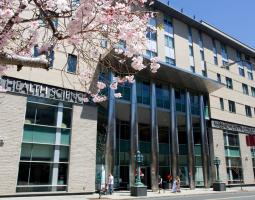
- Geisel School of Medicine — MD, MPH, MS programs in health sciences, epidemiology, biomedical informatics,
- Guarini School — master's and doctoral programs, PhD in biochemistry, biology, molecular and cellular biology,
- Thayer School of Engineering — undergraduate and graduate courses in engineering disciplines,
- Tuck School of Business — MBA program.
Also available are online, in-person, and hybrid master's programs, certificates through Dartmouth Online, more than 30 study abroad and off-campus programs, and online courses through DartmouthX in partnership with edX.
Scientific achievements
- Dartmouth College ranks 2nd among Ivy League universities in Nature magazine's innovation index — based on the long-term real-world impact of scientific papers,
- has been a member of the Association of American Universities (AAU) since 2019,
- holds R1 research university status.
Among Dartmouth's outstanding scientific achievements:
- in 1896, the first clinical X-ray in America was performed here,
- in 1956, the term «artificial intelligence» was coined for the first time at the Dartmouth Summer Research Project,
- the Tuck School of Business, founded in 1900, became the world's first institution to offer an MBA degree.
Among Dartmouth's alumni are Nobel Prize laureates:
- A graduate of the class of 1963 was awarded the Nobel Prize in Chemistry in 2001 (asymmetric oxidation) and in 2022 (work on «click chemistry»),
- A graduate of the class of 1941 is a Nobel Prize in Physics laureate of 1959.
University alumni successfully compete for prestigious international Rhodes, Marshall, Truman, Udall, Goldwater, Fulbright, and Knight-Hennessy scholarships. Around 275 students and recent graduates have received Fulbright scholarships. In 2024, three Dartmouth faculty members became Guggenheim Fellowship recipients.
The university's research areas span climate change, cancer immunotherapy, social justice, and cybersecurity. More than 75 research centers and institutes operate on campus.
Things to know about
- In 1956, the term "artificial intelligence" was first coined at the Dartmouth Summer Research Project — one of the key events in the history of this science,
- Tuck School of Business was the first educational institution in the world to offer an MBA degree,
- The student newspaper «The Dartmouth» is the first student newspaper in America,
- Dartmouth Outing Club is the oldest and largest student outing club in the United States. It maintains a section of the Appalachian Trail,
- The Hood Museum of Art holds more than 70,000 works, making it one of the largest and oldest university collections in the United States,
- The campus is home to an organic farm producing more than 900 kg of fresh organic produce per year. It is equipped with a wood-fired oven for baking pizza,
- Dartmouth Library traces its history to 1770 and houses a fresco by the renowned Mexican artist José Clemente Orozco,
- In 1895, the tradition of the annual Dartmouth Night and «Homecoming» was established — a celebration featuring a parade and bonfire,
- In 1783, students founded the first student society with a funded library,
- In 1938, the historic Moosilauke Ravine Lodge for skiing was built,
- The «First-Year Trips» program covers more than 90% of freshmen — a unique tradition for welcoming new students,
- The campus public art collection includes a major site-specific work «Dartmouth Panels» by artist Ellsworth Kelly,
- The Residential Communities project marks its tenth anniversary in 2026.
Accommodation, meals, prices
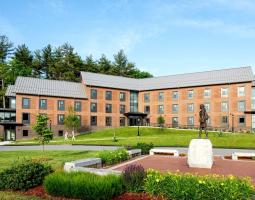
Summer program participants live in university residences on campus. In the 2024–2025 academic year, 3,264 students lived in the rooms.
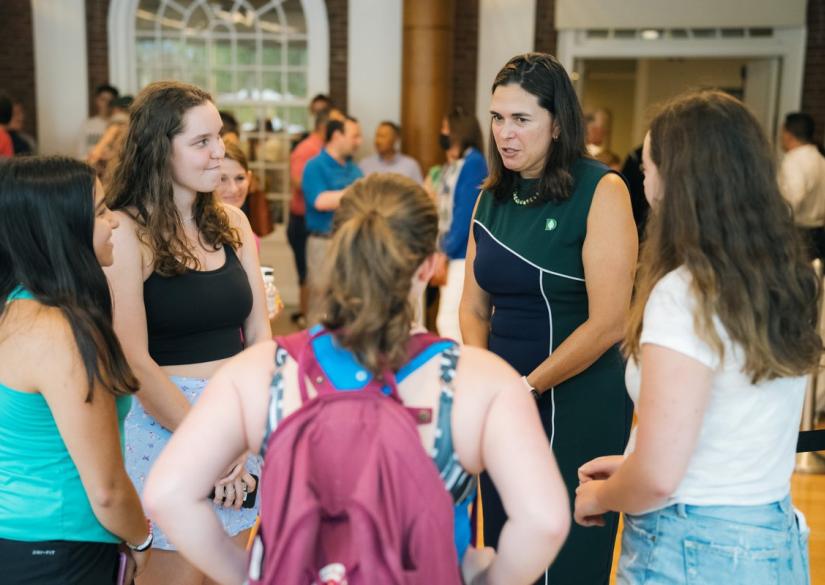
All students are part of one of six residential communities with a faculty member living nearby. Each residential building has round-the-clock mentor duty. Residential learning communities organized by interest also operate on campus.
Meals are provided at the main dining complex Class of 1953 Commons, which includes four dining halls. The menu is prepared using local produce, with vegetarian and vegan options available, as well as stone-baked pizza. The program cost includes three meals per day, bed linen, and laundry supplies.
Activities Dartmouth College Summer Camp
On the Dartmouth Summer Scholars campus, students devote their free time to entertainment and formats:
- a disco with live music;
- karaoke;
- performances by comedians, hypnotists and magicians;
- clubs and circles of interests: creative, culinary, sports;
- board game evenings;
- barbecues with games on the lawn and music.
The lively center of Hanover is just a short walk from campus. Main Street has many shops, restaurants and cafes — this vibrant but cozy area has a welcoming atmosphere that appeals to both students and faculty and visitors. The surrounding area has many locations for outdoor activities and entertainment: from hiking and biking on numerous trails to visiting nearby parks and water sports on the Connecticut River.
The list of popular city locations and formats that summer camp students enjoy includes:
- the "Hood Museum of Art",
- Dave & Buster's entertainment center,
- a Fisher Cats minor league baseball game,
- New Hampshire Mall,
- Six Flags New England amusement park.
Advantages
- Foreign high school students at Dartmouth Summer Scholars are provided with a unique opportunity to choose one of many academies, each specializing in specific disciplines.
- Students study in small educational groups, which allows them to receive personal attention from highly quilified teachers. Teachers help their mentees complete a rigorous academic program and inspire them to creative and scientific achievements.
- On the campus of an American college, foreign students will rest and develop in a favorable environment surrounded by like-minded people, combining studies with public activities outside the classrooms. The summer program is designed for both academic and personal growth.
Facilities and equipment at Dartmouth College Summer Camp
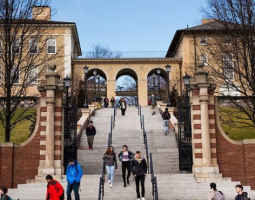
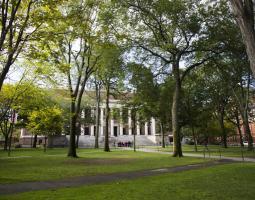
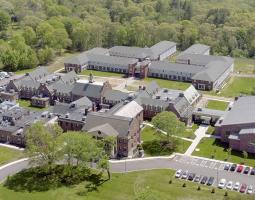
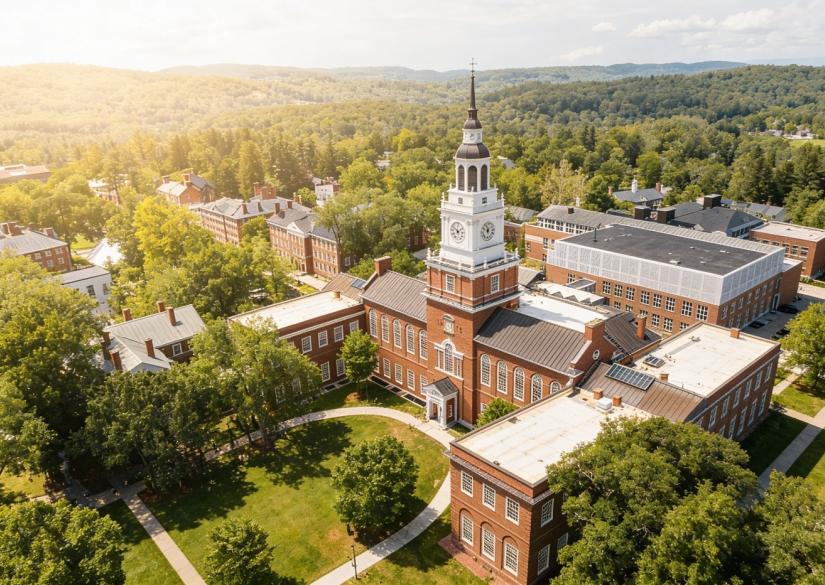
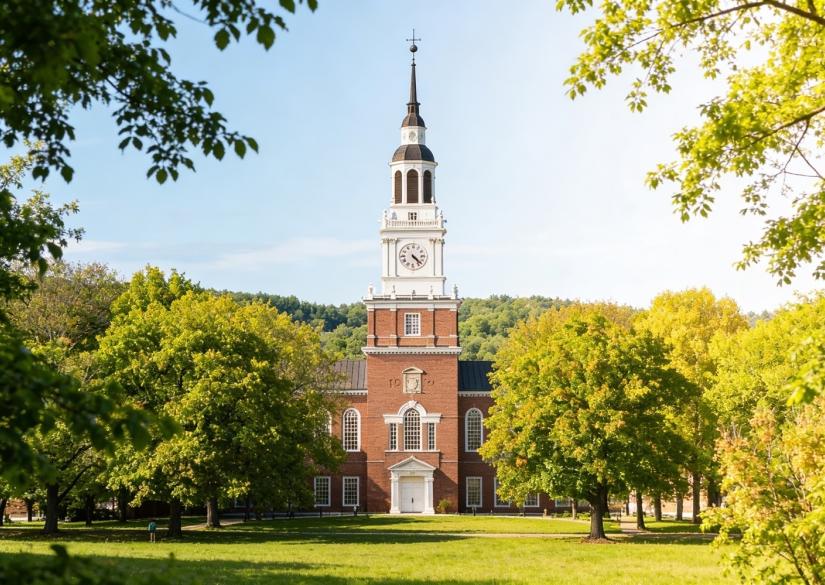
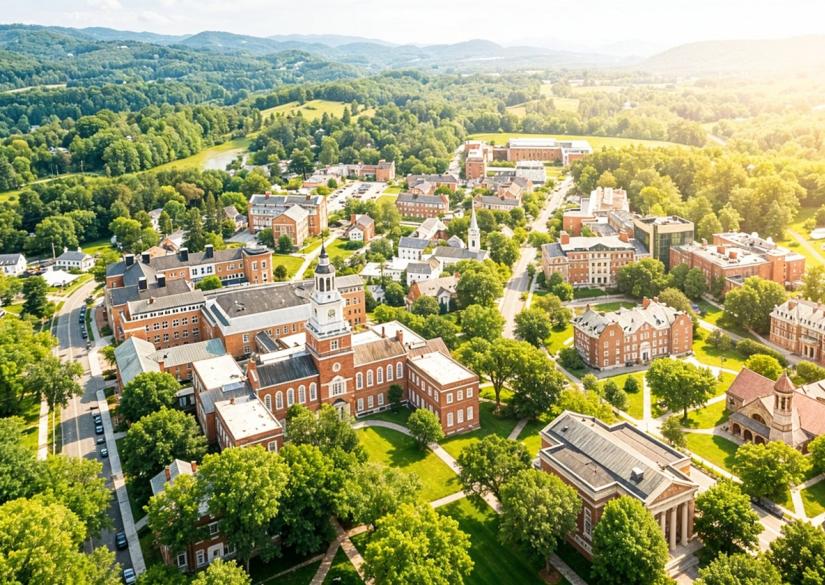
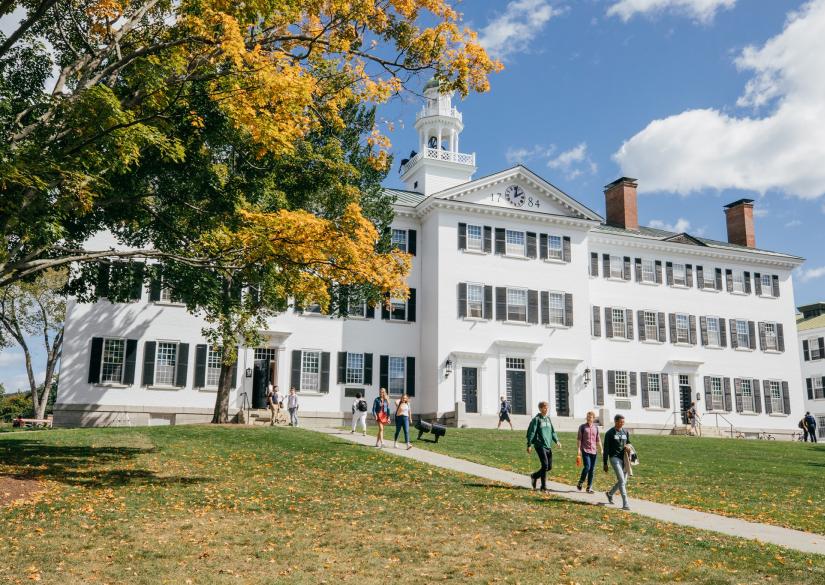
Dartmouth Summer Scholars courses are held in the locations of the charming town of Hanover, in the state of New Hampshire. The stunning Dartmouth College campus, covering almost 109 hectares, is an embodiment of the natural beauty of New England, harmoniously combining modern architecture and historical features, including such iconic landmarks as Baker-Berry Library.
Admission dates and extra charges
The tuition fee already includes:
- the cost of the full course,
- accommodation at the camp base,
- three meals a day,
- extracurricular activities and excursions every day after lunch, in the evening and on weekends,
- transfers,
- use of sports and recreational facilities,
- preparation of a personal presentation for further admission to an American college,
- bed linen: 2 sets, including sheets, blanket, pillow and towels,
- laundry supplies,
- round-the-clock security services and supervision by tutors.
The tuition fee does not include:
- application fee,
- cost of air tickets and airport transfer,
- fee for additional courses,
- meals outside the campus,
- medical expenses,
- pocket money,
- registration fee for foreign students (including medical insurance for the student and airport transfer).
Perspectives
Students who succeed during the Dartmouth Summer Scholars preparatory program are typically focused on intensive study, motivated and self-sufficient. Therefore, after completing the course, they may consider applying to Dartmouth College, other Ivy League institutions, and other educational centers in the United States.
In addition to life-changing knowledge that builds confidence and maturity, foreign students receive a branded Dartmouth College certificate at the end of the academic session, as well as a thank-you letter for their completed coursework. Both documents serve as confirmation that teenagers spent time productively at Dartmouth and achieved success.
Entry requirements, how to apply, what is required to enrol
- Participant age: students in grades 9–12,
- Language requirements: sufficient level of English proficiency to participate in academic classes. An English language test score may be required upon admission,
- Academic documents: school transcripts for the last academic year,
- Letter of recommendation from a school teacher or administrator,
- Completed application with essay: a personal statement about yourself, academic interests and goals,
- For international students: valid passport, US student visa,
- Medical documentation: health certificate, vaccination records.
Scholarships Dartmouth College Summer Camp
Dartmouth College covers 100% of the confirmed financial need of every enrolled undergraduate student. For families with low income, the parental contribution can be zero. Dartmouth is a national leader in supporting middle-income families.
In addition to the main financial aid program, 4E Fund scholarships and a student employment service are available.
Institution on the map
Residence permits, citizenship and other services
- Guardianship services during the studies
- Student supervision
Review about Dartmouth College Summer Camp
Recommendations on when to apply
| Language courses, schools and children's language camps | Primary and secondary education - private schools | Preparation programmes for entering universities - higher education | Higher education (after completing accredited programs A-level, IB, High School) - Bachelor, Master, MBA |
| - we recommend to apply 6-9 months before the start of the course (some camps and schools offer discounts for early booking or for lengthy study programs) - there are some very popular and high demand children's camps, where the applications need to be submitted 1 year in advance (in particular Switzerland , Great Britain , USA , Canada , Austria) | - we recommend to apply one year before the start of the training program, - some schools have a specific time frame (September-November - please specify an individual school) - some schools require tests in several stages (UKISET, internal tests of the school: English, mathematics, logics, subjects, interview, some require a personal visit) | - we recommend to apply one year before the start of the program, - for Foundation and Pathway programs, IELTS and TOEFL certificates are usually required, respectively | - recommended submission one year before the start of the program, - the deadline normally closes in January, for TOP HEIs and, as a rule, in March in other universities - for a bachelor, a Foundation or Pathway preparatory program a completed A-level, IB, High School + IELTS / TOEFL are required - for Masters you need a graduated higher education, in some cases you need a pre-Masters program - MBA requires completed higher education, work experience preferably at least 2-3 years, etc. |