St. Joseph's Collège School






Programs and prices, tuition fees in St. Joseph's Collège School


Middle Classes
- The age of foreign applicants is from 11 to 15 years.,
- The studying period is four years.
The secondary school program has a general education foundation, providing students with the opportunity to explore a wide variety of subjects and scientific fields. The curriculum for students in grades 6-9 includes subjects such as mathematics, various arts, natural sciences, and foreign languages to choose from: English, German, and Spanish.
Foreign students are accepted only in grade 9, but they can choose the duration of their studies: during the trimester, semester or full year. By attending classes at the Collège Saint Joseph, students will be able to improve their French language proficiency, gain international education experience, and become familiar with the culture and customs of France.
Description of St. Joseph's Collège School
- Location: Rodez, France,
- Founded: 1745,
- Number of students: about 920,
- Language of instruction: French,
- Type of studying: mixed.
Collège Saint Joseph is a French secondary school for students aged 14 and over, offering a national program for grades 6-9.
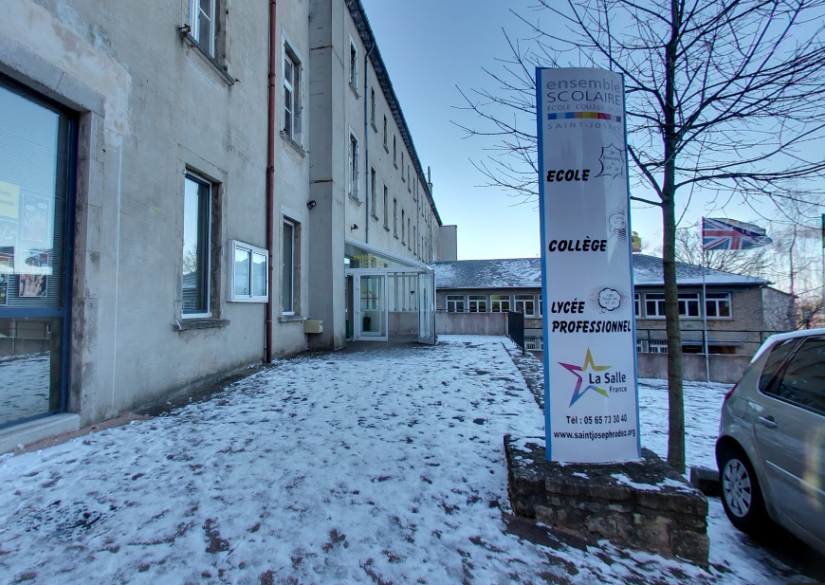
The school is part of Saint Joseph La Salle Rodez, an educational complex founded in Rodez in 1745. The complex consists of one collège and three schools, offering education from the first year of preschool through the final year of collège.
Collège Saint Joseph educates up to 920 students annually, some of whom come from many countries around the world: studying in the same class with French-speaking students, international students improve language skills more effectively and gain confidence in using French.
The curriculum is featured by interdisciplinarity and diversity. Students study general subjects, which are complemented by several languages: English in the first place, Spanish or German in the second. Covering a variety of subjects, the curriculum prepares students for the transition to higher education through practical assignments, connections between topics of different disciplines, applied research and project work.
Collège Saint Joseph's teachers strive to educate students as full-fledged individuals, active members of a modern international society, and to instill in them a sense of responsibility, independence, loyalty, and tolerance. Students are constantly developing large-scale joint projects, works and research, during which students from different countries constantly interact with each other and work together.
Foreign students are provided with comprehensive support from a special staff member and a consul.
Educational process
Each class has its own classroom, where teachers come to conduct most lessons. All sports activities take place on school grounds. Work in the life and Earth sciences laboratory involves microscope observations. Sixth graders took part in a field trip for their life and Earth sciences program. The Conseil départemental de l’Aveyron provided every seventh grader with a laptop.
Practical assignments involved programming Blue-bot robots to move across a cardboard model of the Martian surface and programming virtual robots in Scratch.
Starting in grade 8, students can choose career exploration classes, visit businesses, and experience how they operate. A period of workplace observation is scheduled in grade 9. Career guidance involves career fairs. Students in the final year of collège have a space that allows greater independence and helps them prepare for the transition to lycée. During the les coulisses du bâtiment project, students visited a major construction site.
SEGPA has at least four classes of reduced size and centers on an individual education plan, primarily focused on vocational preparation. ULIS is a collective support system rather than a separate class: it develops academic knowledge, social skills, and independence while introducing students to careers and further education options.
Students in special sections in grades 6–9 can balance their education with activities outside school through an adjusted schedule. Transportation to these activities is provided twice a week. A designated teacher monitors academic progress in coordination with the club. Students have a reserved space for independent work from 12:00 to 13:30.
The theater elective provides two hours of classes per week. The theater program with an adjusted schedule is led by Fabien Austruy, a teacher at the school. CapEnglish selects the English Club facilitators.
In grade 6, all students spend two months exploring the religious education program. Those who wish to continue then attend catechism classes. For grades 6–7, faith development meetings last one hour every two weeks.
The first Erasmus+ accreditation prioritized international mobility for staff and teachers. In April 2025, five teachers visited Finland to explore its education system and life in the country. A trip was planned for July 2025 for five teachers to take language courses in Ireland, Finland, and Spain to improve their English and Spanish.
The schedule of the training day consists of the following activities:
- 7:00 – wake up. Students have half an hour to wash their faces, make their beds, and put things away. Students must wait for permission from the supervisor to leave their rooms and go to the dining hall,
- 7:30 – breakfast,
- 16:30 – snack,
- 16:45-18:00 – compulsory and supervised training,
- 18:00-19:00 – free time or study,
- 19:00-20:00 – dinner,
- 20:00-21:15 – Rest: elective classes, game room, gym with supervised sports activities and much more,
- 21:15-21:45 – students go up to their rooms; lights out at 21:45.
Faculties and colleges
French secondary education is divided into two stages:
- The Collège – education during the first four years immediately following primary school, including grades 6-9,
- The Lycée has been studying for the last three years, from grades 10 to 12.
The collège offers language sections and adapted education programs:
- Simultaneous English and German studies starting in grade 6,
- European sections in English, German, and Spanish starting in grade 8,
- SEGPA, an adapted section for students with significant academic difficulties that have persisted despite standard support measures,
- ULIS, a support system offering students with disabilities flexible education in a mainstream school environment,
- 3e prépa-métiers, a career exploration program for students in the final year of collège who voluntarily choose preparation for vocational education. The 3e prépa-métiers program combines general education with career exploration classes and workplace experience.
A theater elective for students in grades 3–6 at Saint Joseph school and Saint Joseph collège was announced for the start of the 2025 school year. 13 students were selected through auditions for the first intake of the theater program with an adjusted schedule.
English Club sessions with Cap English at the Saint Joseph site were announced from September 2025: Wednesdays from 09:00 to 12:00 for grades 1–5 and from 13:30 to 15:30 for grade 6.
Scientific achievements
Students in grades 8–9 received Course aux Nombres and Projet Voltaire diplomas. The ceremony took place at Chapelle Saint-Jo.
Things to know about
The numbering of middle classes begins with the sixth and is carried out in reverse order, that is, until the first grade, followed by the final class. If we translate to the educational system familiar in the CIS, then Collège Saint Joseph teaches from the sixth to the ninth grades inclusive.
The school’s history reflects the growth of its boarding provision and the merger of several educational institutions:
- In 1859, construction began on a wing next to the novitiate, with classrooms, an infirmary, and dormitories,
- François Fabié was among the boarding school’s first students,
- By 1876, the boarding school occupied half of the novitiate. As the school expanded, a large chapel was built for about one hundred brothers and nearly six hundred students,
- In 1959, a technical lycée was established to give education a vocational focus,
- Boys and girls have been educated together since 1984,
- In 1989, the congregations decided to merge the Sainte-Geneviève and Saint-Joseph institutions,
- In 1992, the two schools were brought together in the Sainte-Geneviève premises,
- In 1993, a separate preschool building was constructed in response to changes in student numbers. The two collèges remained independent: grades 6–7 were based at Sainte-Geneviève, and grades 8–9 at Saint-Joseph,
- In the summer of 1994, the former Saint-Joseph lycée premises were completely renovated in preparation for merging the collèges. The lycée moved into the former Saint-Joseph collège premises,
- In September 1994, Sainte-Geneviève-Saint-Joseph was established with a unified collège,
- At the turn of the 21st century, the preschool and elementary school had 250 students—one hundred more than in 1992,
- In 2006, Les Grillons school in Olemps became part of Sainte-Geneviève/Saint-Joseph,
- In 2014, Sacré Cœur and Saint Joseph collèges joined forces while retaining two teaching sites. In 2016, the Sacré Cœur classes moved to Saint Joseph, creating a single institution in Rodez,
- As Catholic education in Rodez was reorganized, the Saint Joseph vocational lycée became part of Lycée Louis Querbes,
- As a result of the reorganization, Jeanne d’Arc school joined Saint Joseph La Salle.
Accommodation, meals, prices
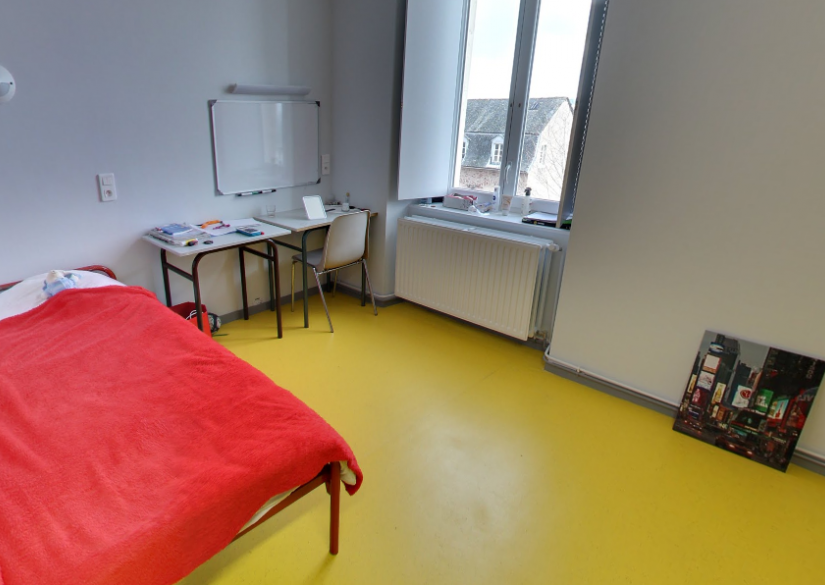
The students of Collège Saint Joseph are accommodated on weekdays in a comfortable residence located on campus. Such proximity to classmates and infrastructure allow international students to immerse themselves in the academic process, devote time to their hobbies and make friends among students. While staying at the residence for five school days, all students receive three meals a day: breakfasts, lunches and dinners prepared according to a balanced, healthy menu.
Boarding is available for students in grades 6–9, from 08:30 on Monday to 16:30 on Friday. Rooms accommodate two to four students, with shared bathrooms on each floor.
On weekends, holidays, and short vacations (which take place four times for two weeks during the academic year), students stay in the homes of their host families. Host families are happy to welcome foreign students to help them learn the French language abroad, culture and customs of France, and to learn a lot about other countries. Families do not perceive the student as a guest, but as a member of their family, therefore they provide the best conditions for accommodation: fully furnished rooms, balanced meals, assistance in solving any issues.
Boarders need a mattress protector, sheets, a blanket or comforter, a bolster, and a bolster pillowcase. Sleeping bags are not allowed. Students bring clothing and personal linens for the week, toiletries, towels, and slippers.
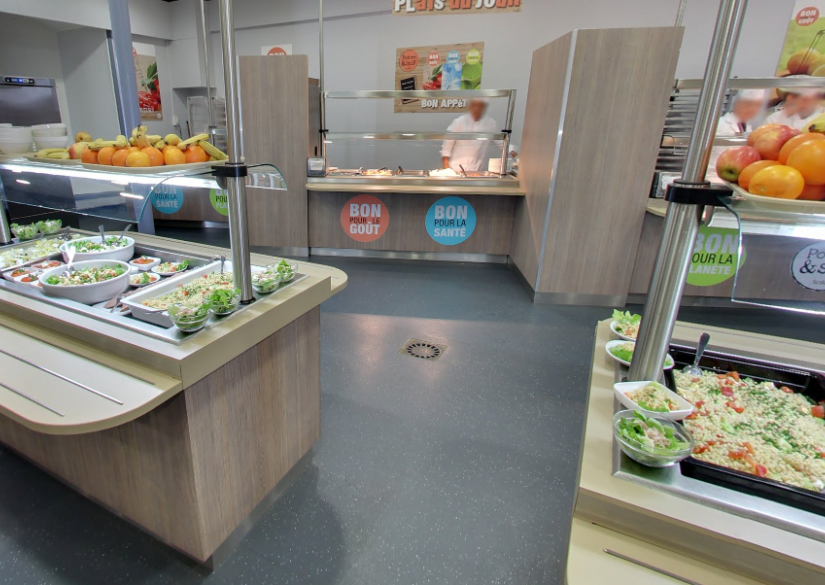
Scolarest provides school meals. Food is prepared on site by a chef gérant and the team. A quality charter sets standards for food safety, meal quality, and innovation. Different age groups eat in several sittings at staggered times. Meals are self-service, with takeout options available. Menus are adapted to activities and special diets. The boarding residence regularly organizes themed dinners with entertainment, and students can also share raclette dinners.
Subjects and sports
Activities St. Joseph's Collège School
In their free time, pupils can focus on their own hobbies, devote time to new or already favorite sports areas, immerse themselves in the sights during excursions.
Thanks to the modern sports infrastructure of the campus, students have access to an extensive range of sections, including handball, football, rugby, fitness and much more. Training is conducted by qualified teachers who will not only help students maintain a healthy lifestyle, but also pay individual attention to the goals of each of them.
Creative clubs offer students a variety of avenues to develop talent in the arts. Throughout the year, there are art and writers' clubs, a choir, and a theater on campus — these are some of the largest student communities. Many campus events feature theater and music groups, and students who enjoy the visual and literary arts can take part in regular exhibitions.
Thanks to a variety of excursions, students will be able to see the sights of Rodez and nearby cities, go hiking in natural beauty, and take part in bike rides.
The collège’s physical education teachers lead the school sports association’s activities. Practices and competitions take place on Wednesday afternoons. Activities offered are mountain biking, handball, soccer, outdoor pursuits, and volleyball. Students who qualify at each stage can compete at district, departmental, education district, and national levels. About twenty collège students took part in a Run and Bike competition in Baraqueville.
On Wednesday afternoons, boarders can take part in UNSS school sports, cultural activities, and recreation. Cinema outings and cultural and sports evenings are organized throughout the year. The theater program’s final production brings collège students and elementary school students together on stage.
The collège has student environmental delegates. Religious education for students and adults offers an introduction to religious culture, shared activities, and conversation. During Lent, associations including 3A and CCFD offer charitable initiatives for the school community. Masses and liturgical celebrations take place at the collège or parish throughout the liturgical year.
An optional prayer gathering takes place in the school chapel every Friday from 13:00 to 13:20, with a teacher present. In grade 7, religious education concludes with the Fête de la Foi. About thirty children attend regular meetings. Preparation for baptism takes two years, with meetings at the religious education center outside class hours. Preparation for First Communion is also available. In grades 8–9, confirmation preparation groups meet once a month, with the celebration scheduled for the end of grade 9.
Advantages
- The well-being of children is the main priority - each pupil is looked after by teachers, class teachers,
- Daily controlled learning time, thanks to which students are more successful in completing their homework, quickly receive individual help,
- A wide range of activities outside of school hours, including both outdoor activities and thematic clubs,
- A modern campus located in a small town with a high level of security,
- A variety of services for comfortable learning, including accommodation in a residence, a rich leisure program, and comprehensive support from teachers,
- Membership in Enseignement catholique, the Catholic education system,
- Membership in the network of Lasallian institutions founded by the Frères des Écoles Chrétiennes,
- Erasmus+ accreditation since 2024. The first accreditation lasts three years.
Facilities and equipment at St. Joseph's Collège School
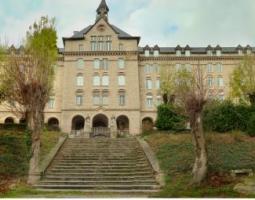
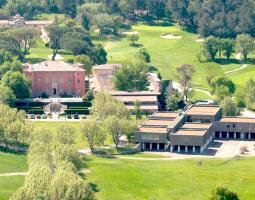
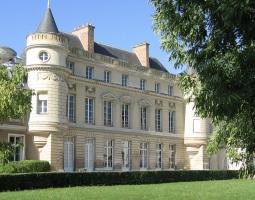
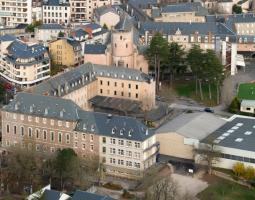
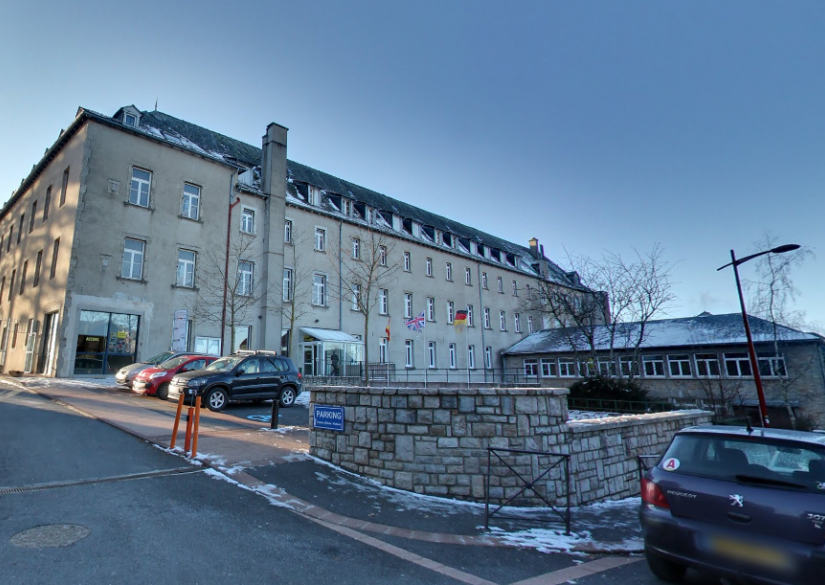
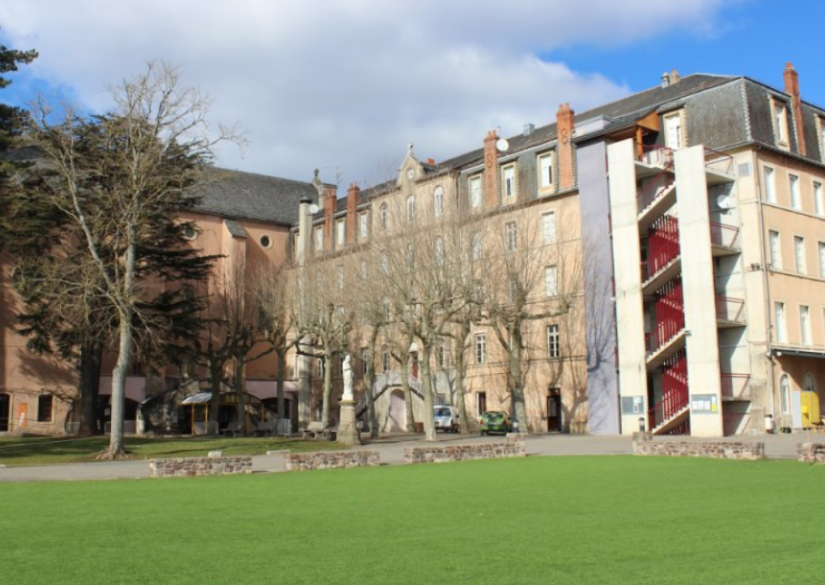
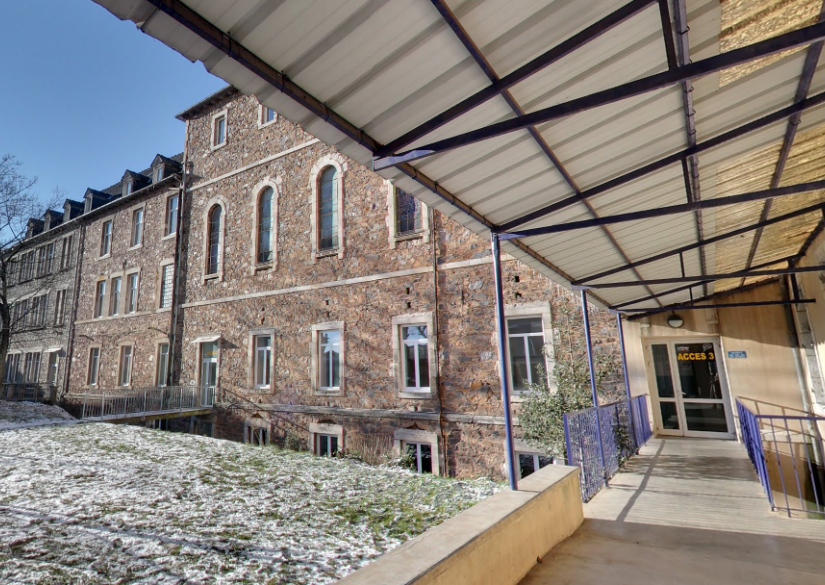
The Collège Saint Joseph campus is located in the center of the small town of Rodez in the south of France. It has a fairly quiet atmosphere, a sufficient number of attractions and good transport links, allowing you to explore other regions of the country.
The learning area offers students various facilities for academic knowledge, creative and athletic development.:
- Classrooms where theory classes are held,
- Three rooms for independent work,
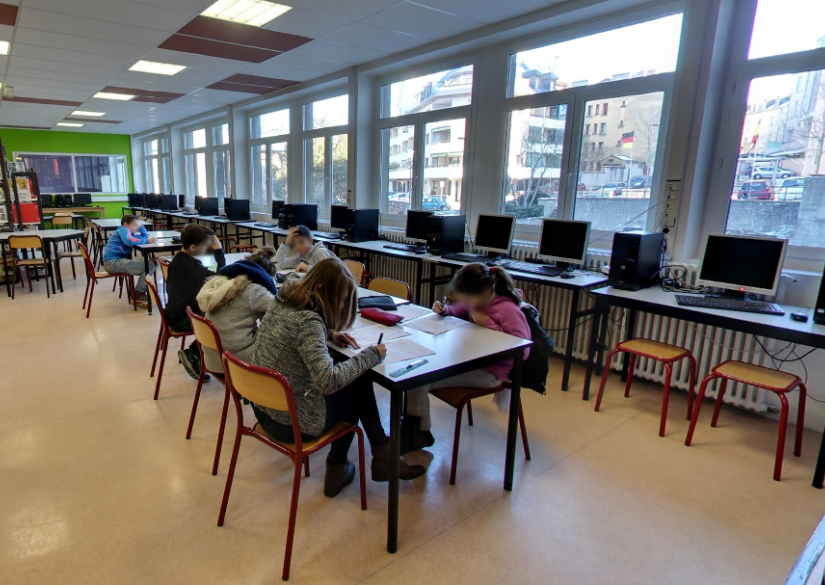
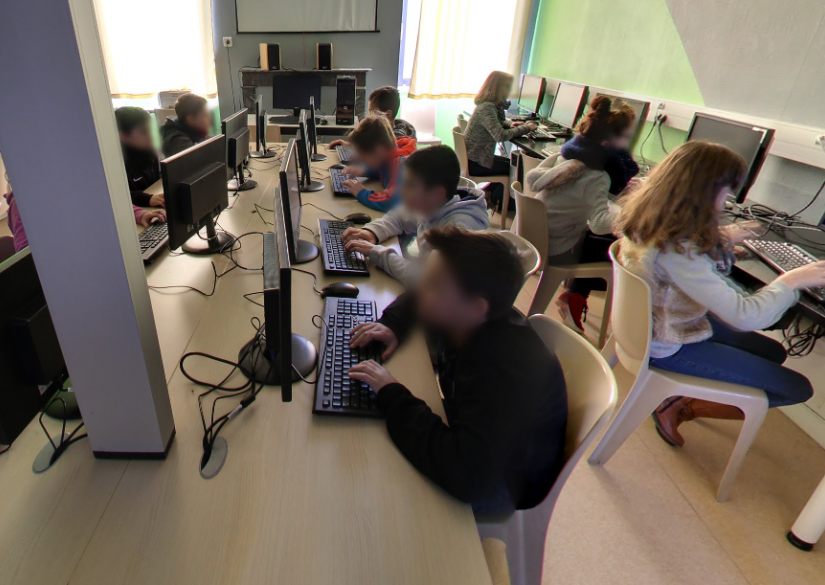
- Multimedia rooms with computers, interactive equipment,
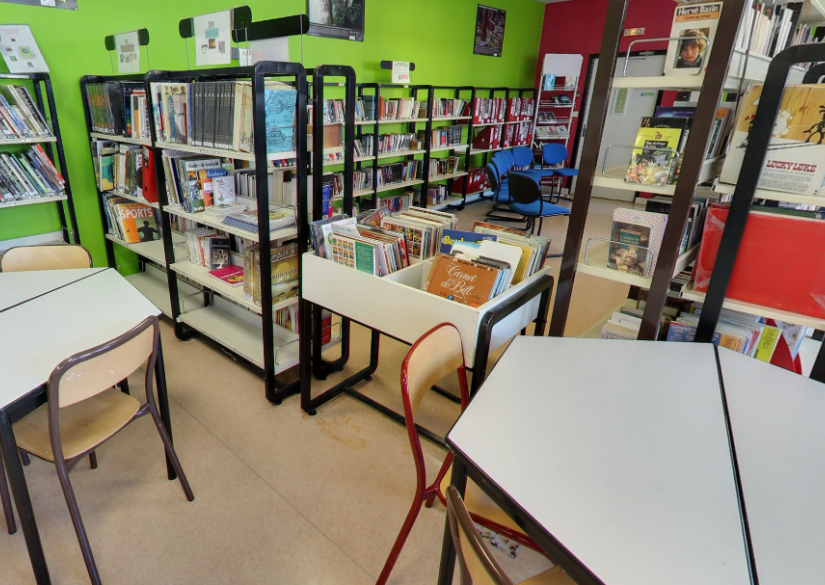
- Library, reading room,
- Six subject laboratories,
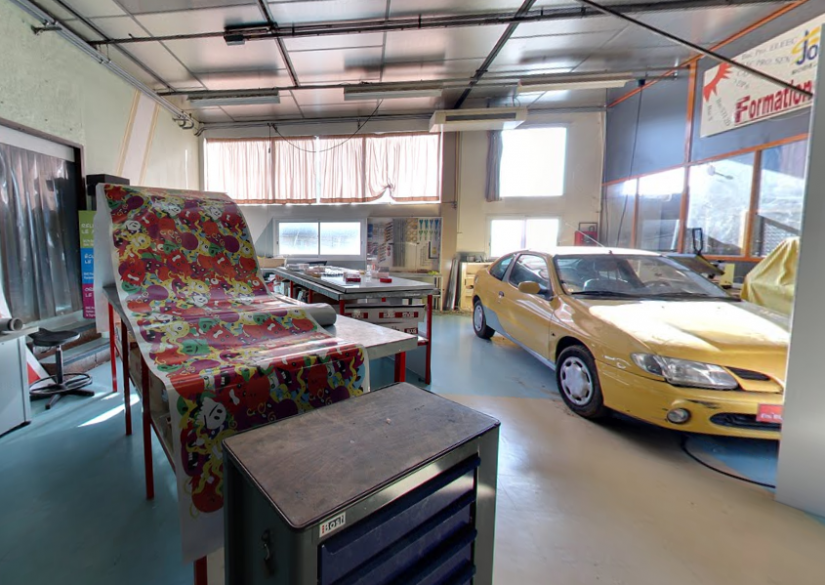
- Technology laboratories where project work takes place,
- Art Center,
- Language classrooms,
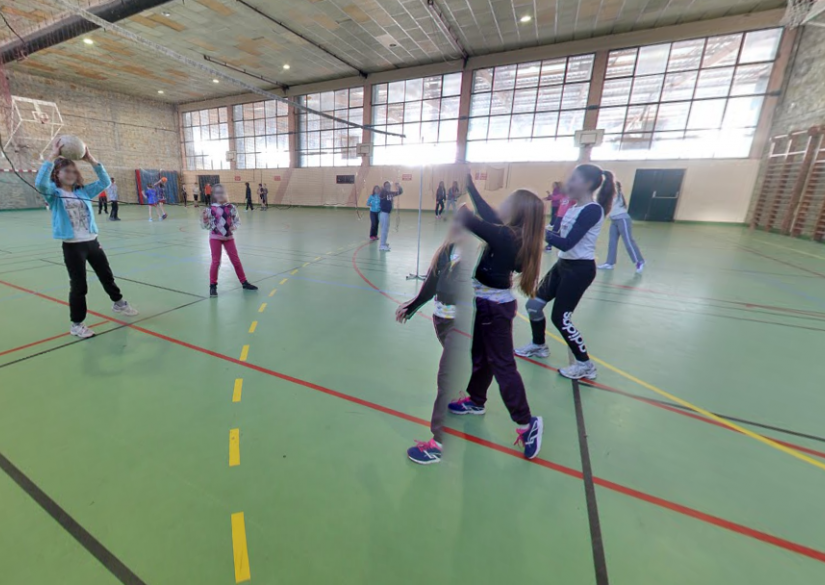
- Gyms with several playgrounds, climbing wall,
- Table tennis hall,
- Outdoor synthetic field with an area of 900 square meters,
- Cafeterias,
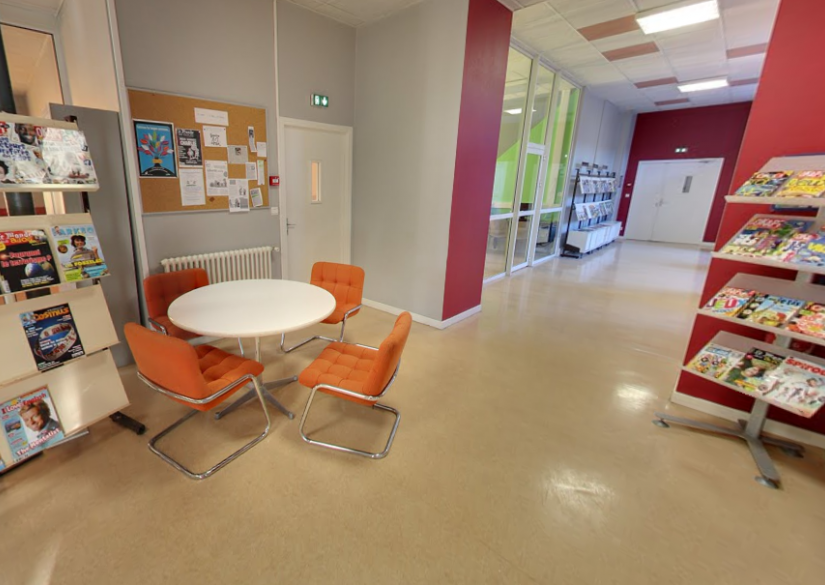
- A student recreation area with books, board games,
- St. Joseph's Chapel, used for regular masses, exhibitions, and friendly communication.
A residence hall has also been prepared on campus, where students live during the school week.
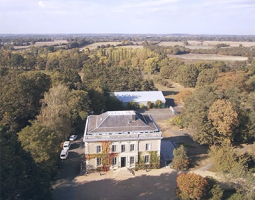
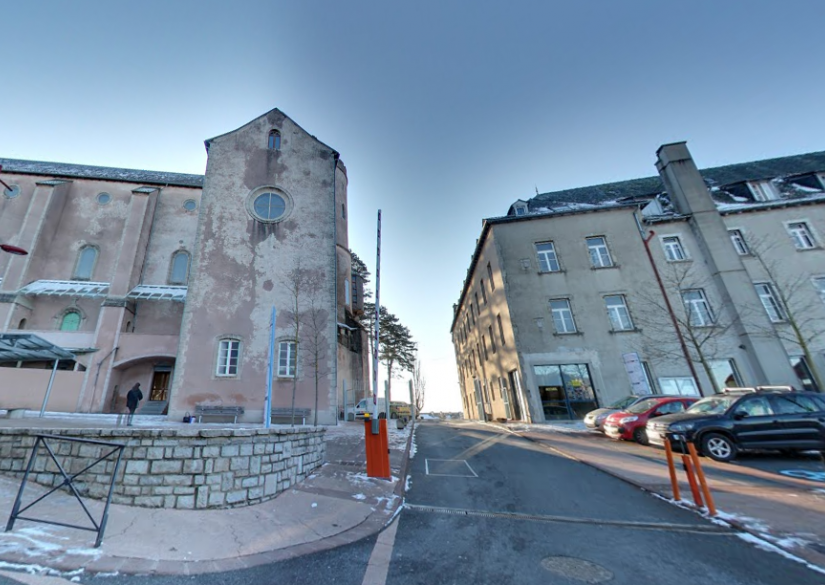
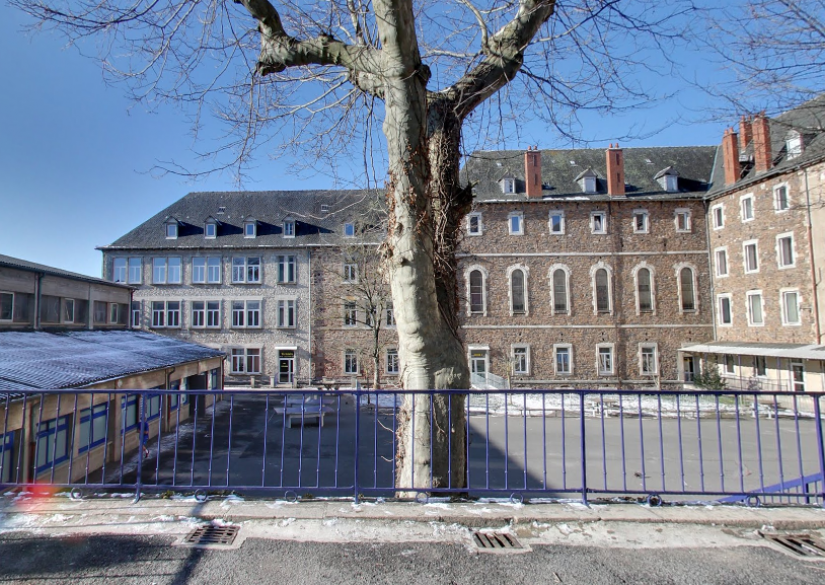
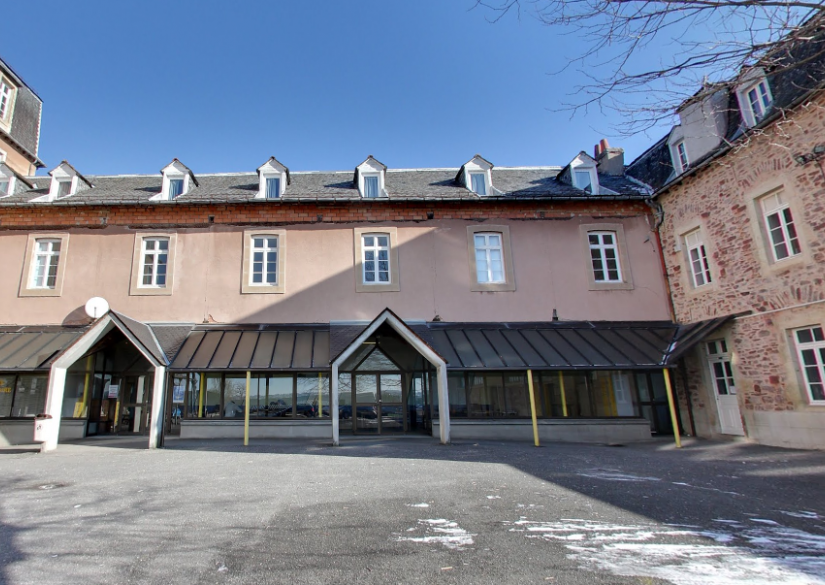
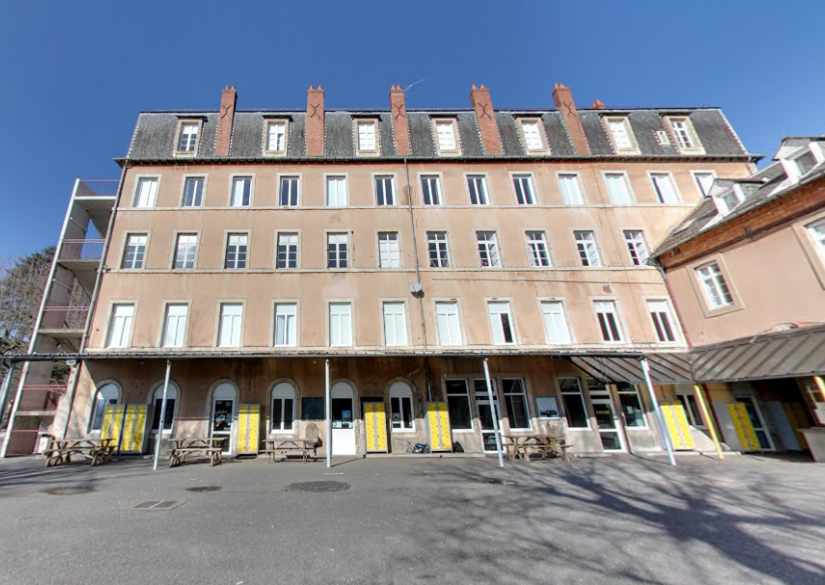
The school occupies an enclosed, secure site of about three hectares. There are plenty of green spaces, parking areas, and a playground for younger children. The collège has three separate buildings. Sixth graders have their own building to ease the transition from elementary school. Three recess courtyards are divided among grade 6, grades 7–8, and grade 9.
Each student has a personal locker in the classroom. Every classroom has a connected computer and video projection. The three rooms for independent work are within the library, information and career guidance facilities. The library, information and career guidance facilities provide a multimedia room with 30 computer workstations, as well as spaces for working with documents, exploring further education options, and reading. The science department has three life and Earth sciences laboratories and three physical sciences laboratories. Its multimedia room has an interactive whiteboard and 20 computer workstations. Three large spaces are dedicated to technology, and an open, spacious room is available for art. The language department has six classrooms.
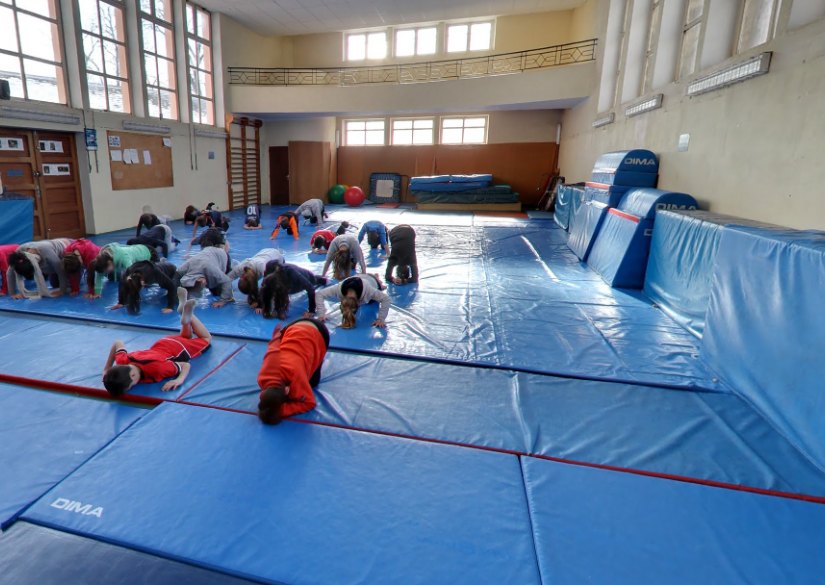
The 1200 m² sports hall accommodates basketball, volleyball, handball, tennis, archery, roller skating, and climbing. The table tennis hall has 15 tables. There is also a dojo with specialized flooring and an outdoor athletics track.
The rehearsal room for theater, singing, and meetings accommodates more than thirty people. Théâtre Saint-Joseph is located in the former chapel. Chapelle Saint Joseph is available for conferences, seminars, and concerts. The venue provides a hall, an entrance lobby with a reception counter, access for people with disabilities, restrooms, and chairs for seated events. The entrance lobby is used for exhibitions, conversation, and meetings. The student club is divided into video, reading, and board game areas. Rooms for relaxation are also available. The religious education center welcomes all interested students during breaks, mainly from 12:30 to 13:30.
Admission dates and extra charges
Studying for international students is available for one trimester, one semester, or for the entire year. The academic year consists of two semesters:
- Autumn: August-January,
- Spring: January-June.
The trimesters last from August to December, from March to June. Classes are not held on weekends, on national and international holidays, or during vacations:
- Autumn — two weeks from the end of October to the beginning of November,
- Christmas — two weeks, including holidays,
- Winter — two weeks from mid-February to mid-March,
- Spring — two weeks from mid-April to mid-May,
- Summer — two months, starting around the beginning of July.
The tuition fee already includes an administrative fee, accommodation at the school and with the host family on weekends, holidays and vacations, round-the-clock support and a security guarantee. Additionally, you will have to pay:
- Round-trip flights,
- Medical insurance,
- Additional excursions, sports and creative entertainment,
- Additional language classes,
- E-learning language courses,
- Round trip transfer,
- Educational guides, books, and materials,
- Pocket expenses.
Enrolment process
The deadline for applications to start training in August is the end of March, and for the start in January, the end of October. Applications submitted late may be accepted subject to availability.
Applicants wishing to gain academic experience at a school in France need to fill out a special application form in French. Then a representative will contact the candidates, providing answers to all their questions. The applicant will have to pass an interview, test for the level of French proficiency, after which the admissions committee will send an official invitation to study.
Enrolment statistics
Less than five international applicants are admitted to Grade 9 each year.
Perspectives
Upon completion of the training, students will receive not only high-quality academic knowledge, but also improve their level of French language proficiency, thereby expanding their educational and career opportunities.
Entry requirements, how to apply, what is required to enrol
Admission of international students is conducted only in the 9th grade. Applicants must provide:
- Personal documents: passport, medical insurance, visa or residence permit,
- Academic certificates from the previous place of study,
- French language proficiency test results equal to A2 level,
- A letter of recommendation from a French language teacher.
Institution on the map
Residence permits, citizenship and other services
- Guardianship services during the studies
- Student supervision
Review about St. Joseph's Collège School
Recommendations on when to apply
| Language courses, schools and children's language camps | Primary and secondary education - private schools | Preparation programmes for entering universities - higher education | Higher education (after completing accredited programs A-level, IB, High School) - Bachelor, Master, MBA |
| - we recommend to apply 6-9 months before the start of the course (some camps and schools offer discounts for early booking or for lengthy study programs) - there are some very popular and high demand children's camps, where the applications need to be submitted 1 year in advance (in particular Switzerland , Great Britain , USA , Canada , Austria) | - we recommend to apply one year before the start of the training program, - some schools have a specific time frame (September-November - please specify an individual school) - some schools require tests in several stages (UKISET, internal tests of the school: English, mathematics, logics, subjects, interview, some require a personal visit) | - we recommend to apply one year before the start of the program, - for Foundation and Pathway programs, IELTS and TOEFL certificates are usually required, respectively | - recommended submission one year before the start of the program, - the deadline normally closes in January, for TOP HEIs and, as a rule, in March in other universities - for a bachelor, a Foundation or Pathway preparatory program a completed A-level, IB, High School + IELTS / TOEFL are required - for Masters you need a graduated higher education, in some cases you need a pre-Masters program - MBA requires completed higher education, work experience preferably at least 2-3 years, etc. |