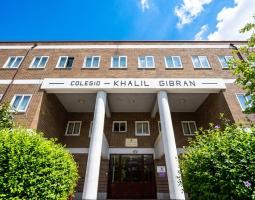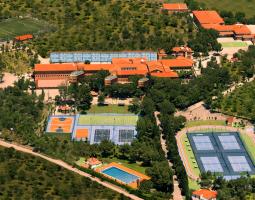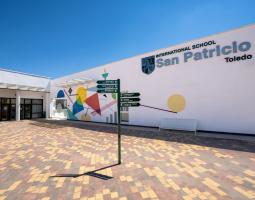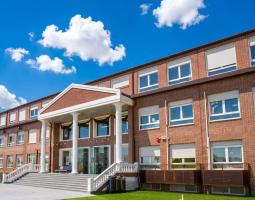
Colegio San Patricio Serrano, College San Patricio Serrano


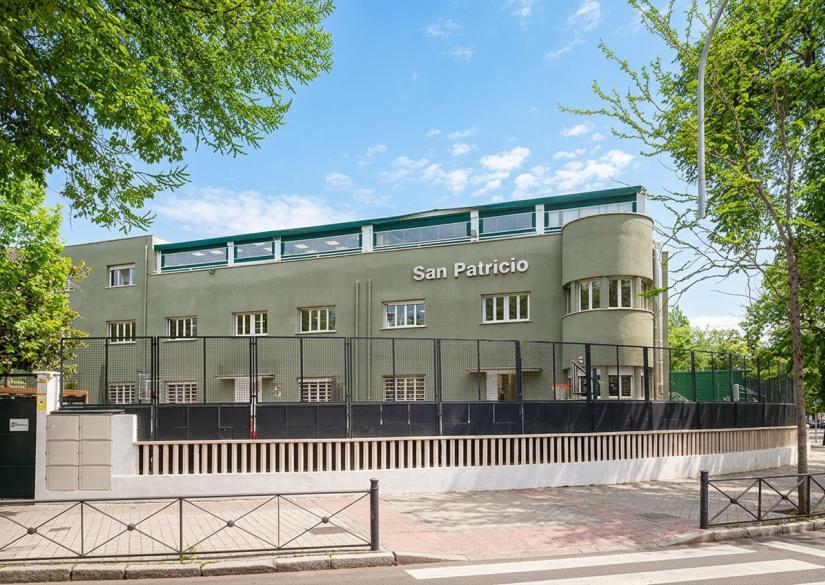







Programs and prices, tuition fees in Colegio San Patricio Serrano, College San Patricio Serrano


Nursery
- Age of students: 1+.
- Duration of stu: 5 years.
- Language: Spanish and English.
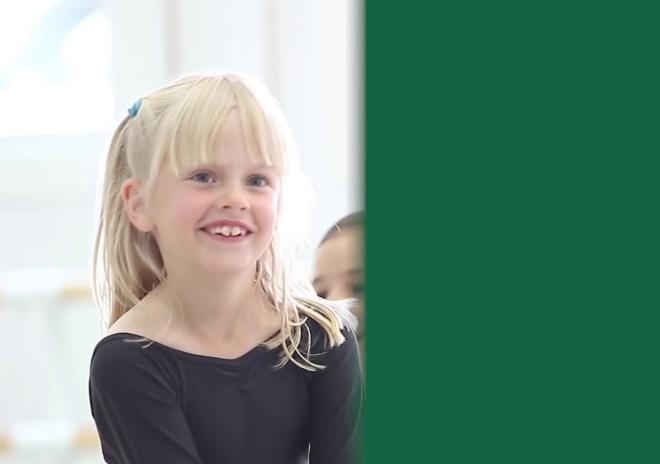
Nursery is designed for children aged 1 to 6 and includes five sequential levels: Special Nursery, Nursery, Nursery A, Nursery B, and Nursery C. At this stage, children adapt to the school environment, learn to interact with peers, develop independence, and gradually immerse themselves in bilingual education.
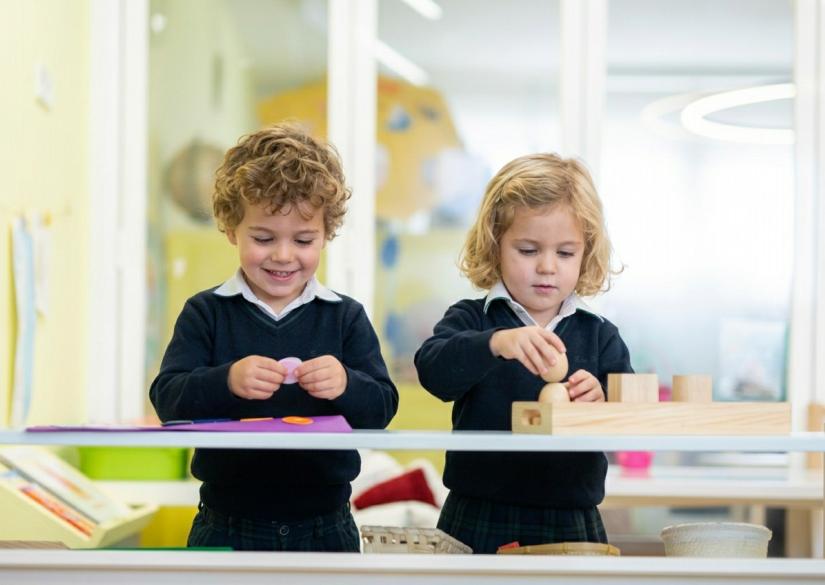
The foundation of learning consists of play-based and hands-on activities through which children develop speech, motor skills, imagination, and early numeracy skills. Close attention is paid to sensory perception: children explore materials by touch, draw, build, sort objects, move to music, and learn to interact with one another in a group. Foreign languages are introduced gradually and naturally — through songs, stories, creative activities, and everyday communication, without emphasis on formal grammar study.
In working with children, the school combines several modern pedagogical approaches, including Reggio Emilia and Montessori. The classroom space is organized so that children can freely interact with materials, independently choose activities, and explore the environment. In mathematics classes, the methodology of José Antonio Fernández-Bravo is used: children first master basic concepts through real objects and practical actions, then progress to more complex and abstract tasks. The development of reading skills begins with phonetic preparation — children learn to recognize sounds, divide words into syllables, and gradually connect spoken language with written language.
School A–C
- Age of students: 6+.
- Duration of study: 3 years.
- Language: Spanish and English.
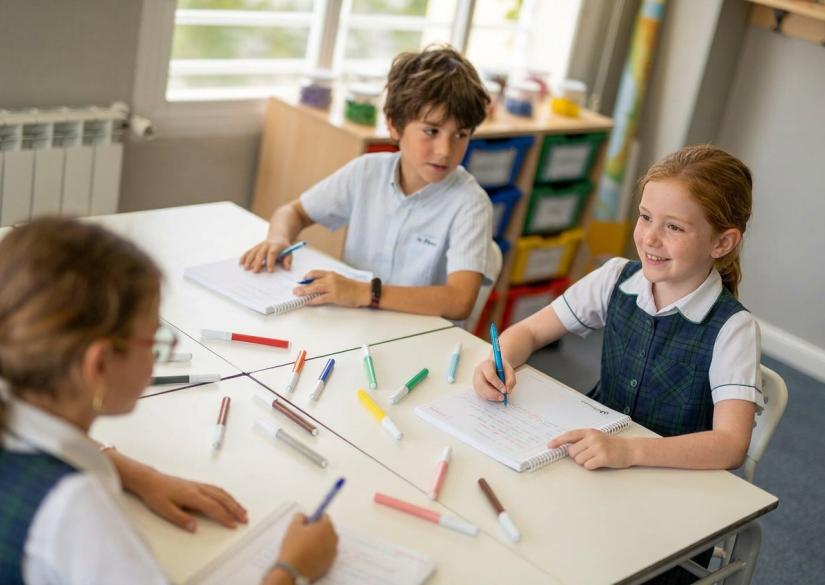
School A–C covers the first three years of primary education. After Nursery C, children move to a more structured learning format where separate subjects appear, but teaching is still built around projects, creativity, movement, and hands-on activities. Students gradually adapt to the school routine: they develop reading, writing, and numeracy skills, learn to present in front of the class, interact with classmates, and complete tasks independently from start to finish.
The curriculum includes Spanish and literature, English, mathematics, natural sciences, geography, history, art, music, physical education, religious education, technology, and emotional development; French and German are offered as electives.
In mathematics, teaching follows the methodology of José Antonio Fernández-Bravo: children explore numbers, shapes, logic, and problem-solving through practical exercises and visual examples, gradually moving towards more abstract thinking. In humanities and natural science lessons, students develop analytical skills, learn to notice patterns, formulate questions, compare facts, and express their ideas clearly.
At this stage, the school places great emphasis on developing communication and creative skills: students take part in theatrical productions, music lessons, and art projects, and learn to perform in front of an audience. This format helps children express their thoughts more freely, work in teams, absorb material more effectively, and build self-confidence. Students with high academic potential have access to the High Abilities program, which includes advanced assignments, research activities, and small-group sessions.
School D, F and G
- Age of students: 9+.
- Duration: 3 years.
- Language: Spanish and English.
The School D, F and G program is designed for upper primary school students and helps them transition smoothly to studying at the El Soto campus, where the next stage begins. During this period, children become more independent: they work with an expanded curriculum, complete complex assignments, participate in collaborative projects, develop presentation skills, and learn to manage their workload effectively.
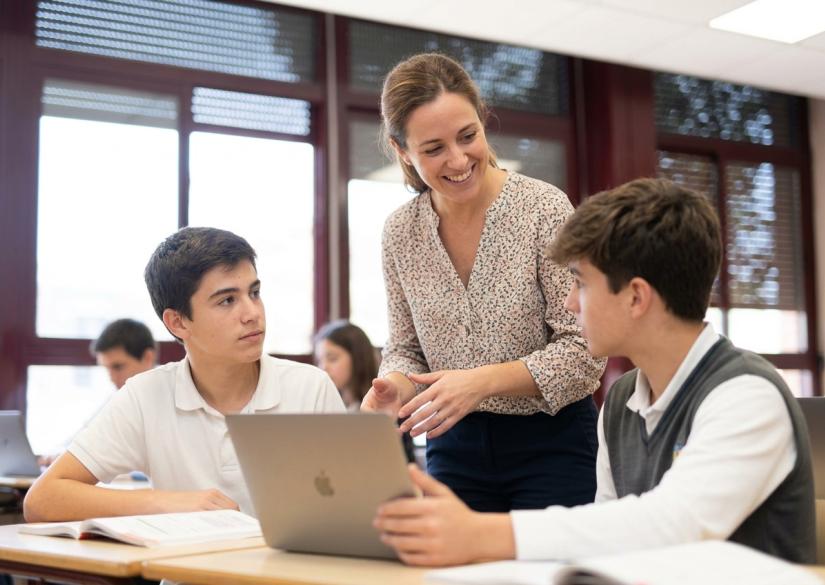
The program involves Spanish language and literature, English, mathematics, natural and social sciences, art, music, physical education, technology, religious education, and emotional development sessions; students also continue studying French and German. In class, children increasingly work independently: they analyse information, draw conclusions, discuss ideas in teams, and take part in collaborative projects.
Particular attention is paid to developing communication and creative thinking through public speaking, drama, music, and project-based activities. Children learn to express their thoughts clearly, argue their position, work in teams, and present confidently in front of an audience. In mathematics lessons, the methodology of José Antonio Fernández-Bravo continues to be applied, based on a hands-on approach and a gradual transition from visual examples to abstract thinking.
Students with high academic potential have access to the High Abilities program, which includes research projects, in-depth study of topics, and small-group sessions.
Description of Colegio San Patricio Serrano, College San Patricio Serrano
- Year founded: 1958.
- Location: Madrid, Spain.
- Number of students: 700.
- Type of study: mixed.
- Type of institution: private day school.
- Language of instruction: Spanish and English.
Colegio San Patricio Serrano is the oldest campus of the Colegio San Patricio network in Madrid. The school was founded in 1958 by innovative educators Luisa Murias, Luz Murias, Jaime Marugan, and Gabriel Castellano. From the very beginning, the educational approach here combined Catholic values, early English language learning, and individual attention to each child in an intimate school environment.
Serrano accepts children from 1 to 11 years old, covering the stages of early development and primary education. After completing primary school, students typically transfer to the El Soto campus, where the secondary and upper levels of the San Patricio network are located — making Serrano the first stage of a continuous educational journey within the San Patricio system.
The campus is located in the center of Madrid, between the El Viso and Salamanca districts. San Patricio is now part of the international educational group Inspired, while retaining its Spanish traditions: education is based on a combination of Spanish and English languages, arts, sports, digital technologies, emotional development, and support programs for gifted children.
Educational process
At an early age, children are introduced to music, color, rhythm, speech, and various materials, developing sensory perception and basic learning skills. Classrooms are organized so that children can freely explore the space, experiment, ask questions, and learn through their own experience.
In primary school, learning becomes more subject-based. The schedule includes Spanish and English, mathematics, natural sciences, history, geography, music, art, drama, physical education, technology, religious education, and emotional development classes; French and German are also studied.
In class, children work both independently and in groups: they complete projects, read, write, present to the class, and solve practical tasks. Teachers regularly monitor student progress. In the lower grades, special attention is paid to developing reading, writing, numeracy, oral speech, independence skills, and the ability to interact with other children.
Support for students is provided by teachers, educational psychology specialists, and the High Abilities program team. For children with clearly pronounced abilities, the school offers advanced assignments, research projects, work in small groups, and additional classes.
Things to know about
- Colegio San Patricio Serrano is the first campus of the San Patricio network, opened in 1958 in Madrid.
- The school motto is Libris Liberi, which translates as «Culture makes us free».
- Although the school upholds Catholic values, it does not belong to any religious order and accepts children of any denomination.
- In 2008, the network received several prestigious awards, including the Order of Alfonso X the Wise and the Silver Medal of the Community of Madrid, and in 2011 the school was awarded the Madrid Excellence quality mark.
- Children begin studying French and German from an early age through music, creative assignments, and play-based formats.
Accommodation, meals, prices
The campus is located in Madrid, in a lively urban district with residential buildings, offices, shops, restaurants, and a convenient transport network: the central districts of the capital are easily accessible by public transport or car. The nearest international airport is Madrid-Barajas Adolfo Suárez.
The school has its own kitchen and canteen for students; the menu is developed taking into account the children's age, individual dietary needs, and food restrictions. San Patricio regularly publishes a weekly menu and pays attention to fostering a dining culture: children are taught how to use utensils properly, maintain order at the table, and behave calmly during lunch.
Activities Colegio San Patricio Serrano, College San Patricio Serrano
The life and leisure of students are organized taking into account their age. For the youngest, the school places emphasis on play, music, creativity, motor skills development, communication, and collaborative activities in small groups. In primary school, the program becomes broader: sports clubs, interest clubs, theater projects, classes in robotics, chess, art and public speaking, as well as various team and school initiatives appear.
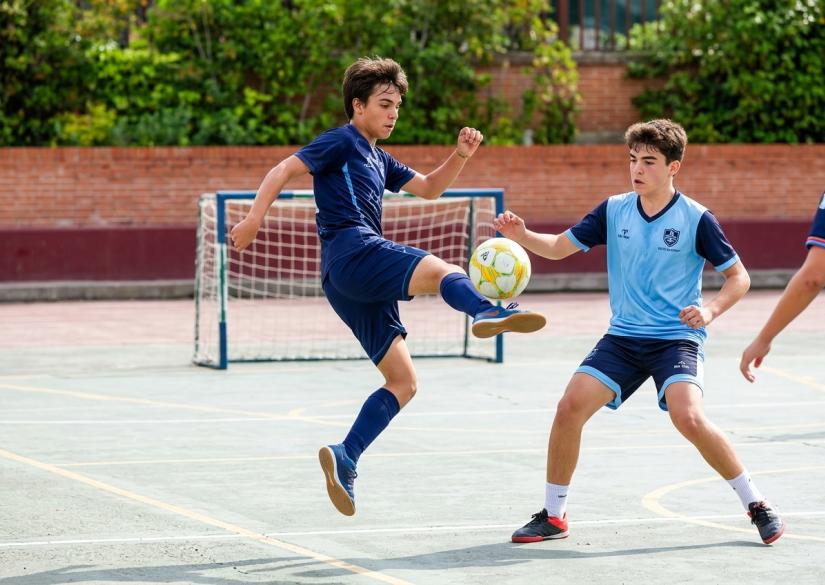
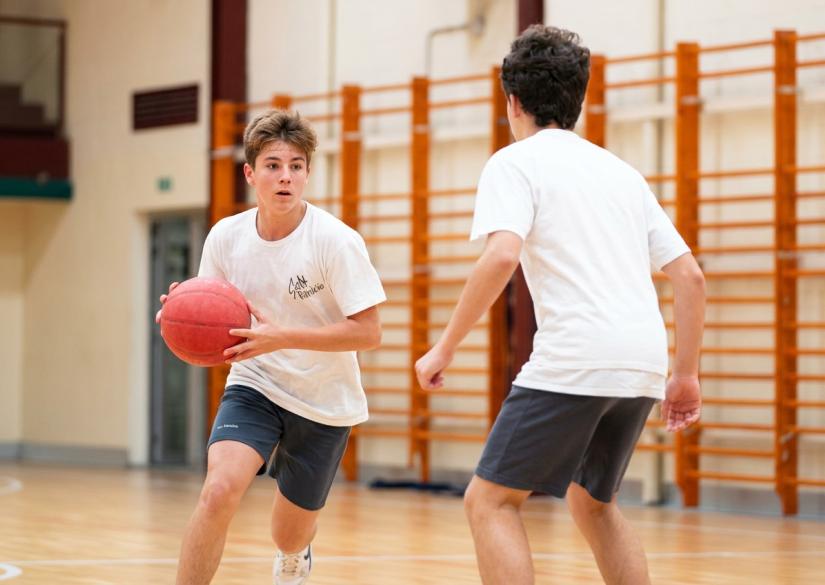
More than 30 extracurricular activities are available to students: football, basketball, volleyball, gymnastics, athletics, multisport, chess, martial arts, and tennis. Children can attend classes in music, drama, dance, visual arts, and robotics. Clubs and sections meet both during lunch breaks and after school.
Advantages
- The campus is located on Calle Serrano, in the prestigious central part of Madrid between the El Viso and Salamanca districts.
- The main languages of teaching are Spanish and English, while children begin studying French and German from an early age.
- After completing the primary level, children move to the El Soto campus and continue their education within the overall San Patricio system.
- For children with high academic performance, the High Abilities program is available, officially recognized by the Spanish Ministry of Education.
Facilities and equipment at Colegio San Patricio Serrano, College San Patricio Serrano
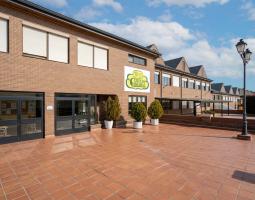
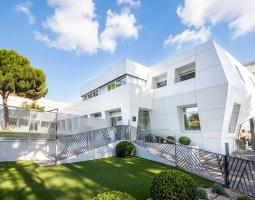
The Serrano campus is located in the central part of Madrid: it is a small urban school which space is adapted for preschoolers and primary school students. The campus territory allows for a convenient arrangement of classrooms, creative areas, playgrounds, sports spaces, a cafeteria, and rest areas for children.
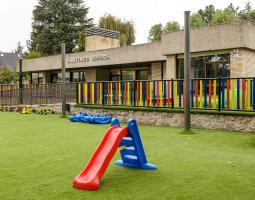
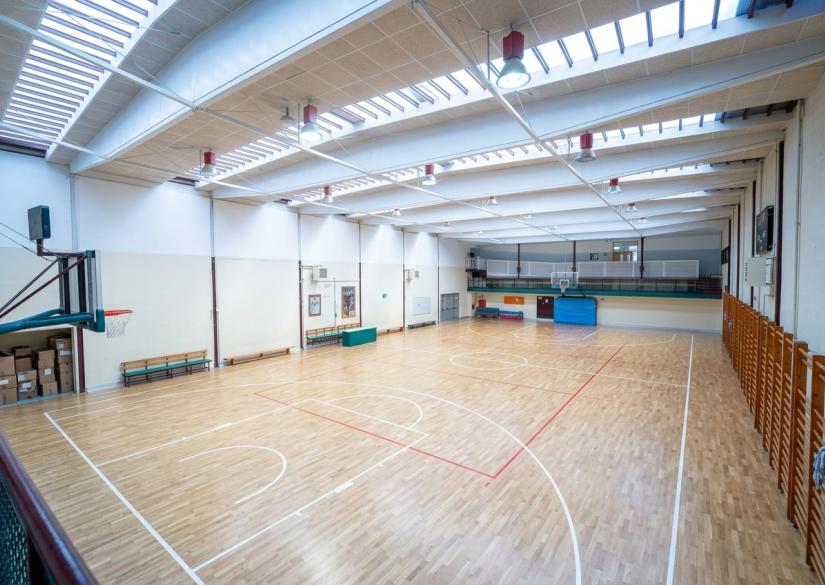
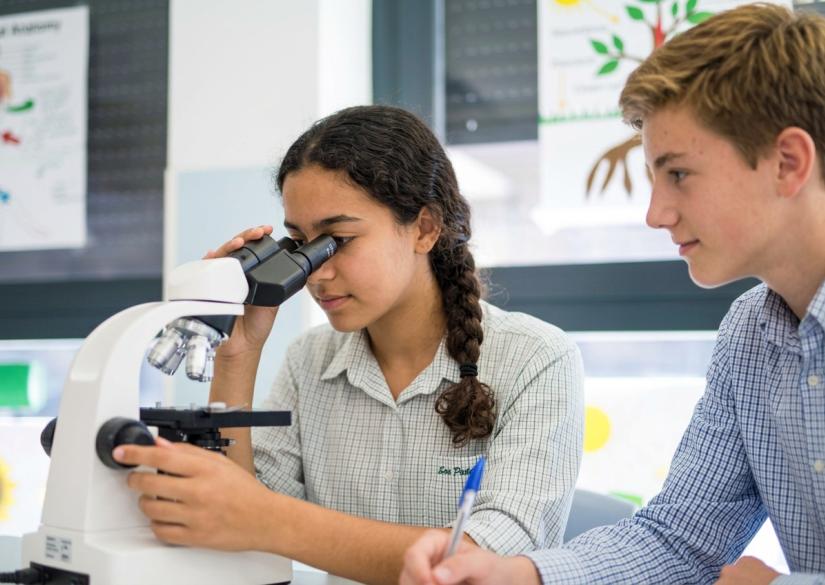
For younger age groups, an Early Learning space is organized, where children study in specially equipped classrooms using materials for sensory development, play-based activities, motor activity, speech, music, and introduction to basic math skills. The campus features a psychomotor and gymnastics hall, three playgrounds, two educational garden plots, and rest areas.
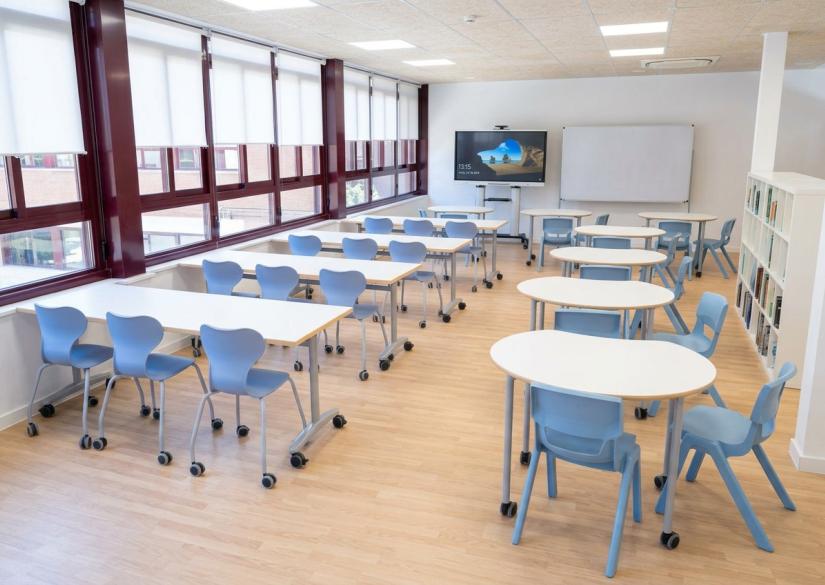
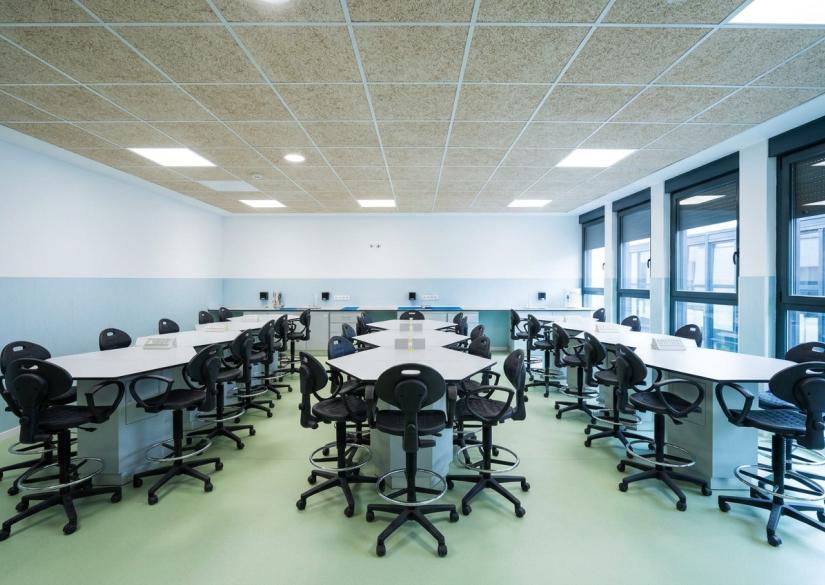
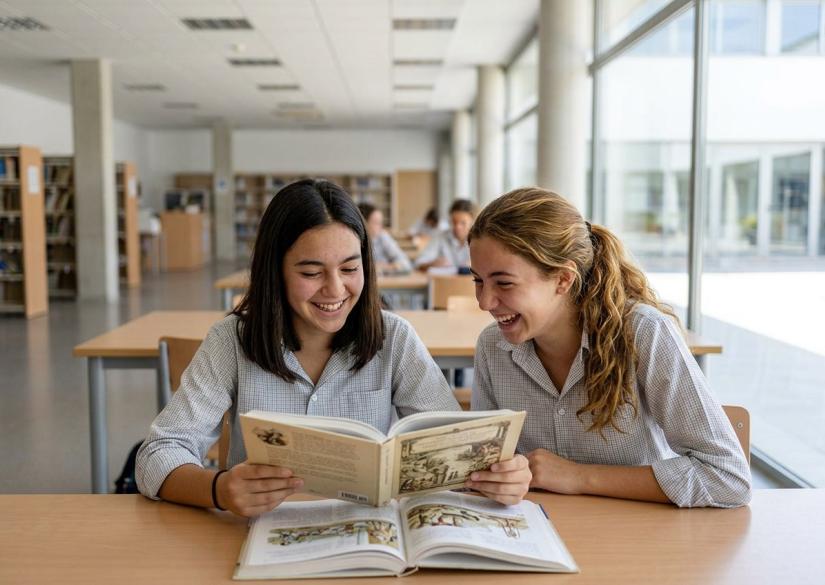
For primary school students, there are modern classrooms equipped with digital technology, two libraries, an auditorium, and specialized spaces for music, theater, fine arts, dance, and martial arts. The campus also houses the San Patricio Art Centre — a creative center where art classes, theatrical productions, music projects, and other creative activities are organized.
Sports facilities include indoor and outdoor spaces for physical education, gymnastics, active games, and team sports. The school campus has a cafeteria, its own kitchen, a medical office, and a chapel.
Admission dates and extra charges
The academic year is divided into three trimesters.
Additional expenses include:
- Registration fee for new students,
- Meals,
- School transport,
- Uniform,
- Personal expenses,
- One-time additional services.
The tuition already includes textbooks, digital materials, school supplies, technology fee, cultural events and trips, medical support, school photos, yearbooks, accident insurance, psychological and pedagogical support, and participation in educational competitions.
Enrolment process
Admission begins with choosing the appropriate age level. After that, parents visit the campus and discuss education with San Patricio representatives. For young children, the main focus is on the child's adaptation and readiness for the school environment, while for primary school students, previous academic results and language level are additionally reviewed.
The next step is an interview or entrance assessment appropriate to the child's age. Based on the results, the school makes an enrollment decision. If a place is confirmed, the family completes the documents, pays the registration fee, and finalizes the administrative procedures. The student is then assigned to a class and prepared for the start of classes or for mid-year entry (subject to availability).
Perspectives
The Serrano campus is designed for preschoolers and primary school students. After completing this level, most students continue their education at the El Soto campus, where the middle and high school of the San Patricio network are located.
Entry requirements, how to apply, what is required to enrol
For older children, the school conducts an interview and entrance assessment, during which specialists analyze the child's academic level, language skills, behavioral characteristics, suitability for the chosen grade, and readiness to study in a bilingual environment. For the youngest candidates, the procedure takes place in a softer format: the school primarily pays attention to the child's age, their ability to adapt, and communication with the family.
Scholarships Colegio San Patricio Serrano, College San Patricio Serrano
Discounts are available for families with multiple children enrolled, as well as the Inspired network scholarship program.
- For families with several children attending San Patricio, a sibling family discount applies: if more than two siblings are enrolled at the school simultaneously, the family receives a 25% discount on tuition for the third child, 50% for the fourth, and the fifth child's tuition is covered in full by the school. The same conditions apply to meal payments.
- The second line of support is connected to the Nsouli Scholars Programme by the Inspired group: this international initiative is designed for talented students at network schools, providing the opportunity to receive full tuition coverage.
Institution on the map
Residence permits, citizenship and other services
- Guardianship services during the studies
- Student supervision
Review about Colegio San Patricio Serrano, College San Patricio Serrano
Recommendations on when to apply
| Language courses, schools and children's language camps | Primary and secondary education - private schools | Preparation programmes for entering universities - higher education | Higher education (after completing accredited programs A-level, IB, High School) - Bachelor, Master, MBA |
| - we recommend to apply 6-9 months before the start of the course (some camps and schools offer discounts for early booking or for lengthy study programs) - there are some very popular and high demand children's camps, where the applications need to be submitted 1 year in advance (in particular Switzerland , Great Britain , USA , Canada , Austria) | - we recommend to apply one year before the start of the training program, - some schools have a specific time frame (September-November - please specify an individual school) - some schools require tests in several stages (UKISET, internal tests of the school: English, mathematics, logics, subjects, interview, some require a personal visit) | - we recommend to apply one year before the start of the program, - for Foundation and Pathway programs, IELTS and TOEFL certificates are usually required, respectively | - recommended submission one year before the start of the program, - the deadline normally closes in January, for TOP HEIs and, as a rule, in March in other universities - for a bachelor, a Foundation or Pathway preparatory program a completed A-level, IB, High School + IELTS / TOEFL are required - for Masters you need a graduated higher education, in some cases you need a pre-Masters program - MBA requires completed higher education, work experience preferably at least 2-3 years, etc. |