
 For partners
 Top 21 IB schools in England UK
-
 #1 school in UK and Top-1 worldwide for IB results in 2021
United KingdomCardiffCurrently watching: 7from 16500 £ / terms
#1 school in UK and Top-1 worldwide for IB results in 2021
United KingdomCardiffCurrently watching: 7from 16500 £ / terms -
 In 2023 an average IB score made up 35
United Kingdomnear LondonCurrently watching: 7from 29430 £ / semesters
In 2023 an average IB score made up 35
United Kingdomnear LondonCurrently watching: 7from 29430 £ / semesters -
 75% of our A-Level students achieved A*-A in 2022
United KingdomCanterburyCurrently watching: 6from 11450.00 £ / term
75% of our A-Level students achieved A*-A in 2022
United KingdomCanterburyCurrently watching: 6from 11450.00 £ / term -
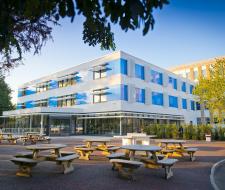 In 2023 - 98% pupils gained places at their first choice University
United KingdomCambridgeCurrently watching: 8from 20338 £ / terms
In 2023 - 98% pupils gained places at their first choice University
United KingdomCambridgeCurrently watching: 8from 20338 £ / terms -
 Average mark obtained by students who passed the IB: 32.5 out of 45
United KingdomYorkCurrently watching: 7from 9.00 £ / day
Average mark obtained by students who passed the IB: 32.5 out of 45
United KingdomYorkCurrently watching: 7from 9.00 £ / day -
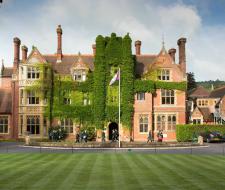 In 2023 results either for IB (32) and A Level (46% - A*-B) are higher than UK average
United Kingdomnear LondonCurrently watching: 7from 18400 £ / terms
In 2023 results either for IB (32) and A Level (46% - A*-B) are higher than UK average
United Kingdomnear LondonCurrently watching: 7from 18400 £ / terms -
 Average score obtained by students who passed the IB: 37 out of 45
United KingdomBristolCurrently watching: 7from 18300 £ / terms
Average score obtained by students who passed the IB: 37 out of 45
United KingdomBristolCurrently watching: 7from 18300 £ / terms -
 In 2023 results either for IB (33) and A Level (73% - A*-C) are higher than UK average
United KingdomBristolCurrently watching: 9from 14350 £ / terms
In 2023 results either for IB (33) and A Level (73% - A*-C) are higher than UK average
United KingdomBristolCurrently watching: 9from 14350 £ / terms -
 In 2021 an average IB score made up 36.4
United KingdomTauntonCurrently watching: 7from 12640 £ / terms
In 2021 an average IB score made up 36.4
United KingdomTauntonCurrently watching: 7from 12640 £ / terms -
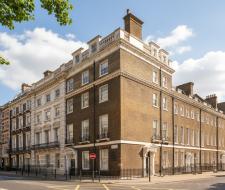 In 2023, in University Foundation Programme 50% of students achieved an A*- A
United KingdomLondonCurrently watching: 8from 11450.00 £ / term
In 2023, in University Foundation Programme 50% of students achieved an A*- A
United KingdomLondonCurrently watching: 8from 11450.00 £ / term
The International Baccalaureate (IB) is a highly respected and internationally recognized educational program that is becoming more and more popular every year in the United Kingdom and beyond. Many of the UK's leading schools offer the IB programme, and as a result, they consistently produce students with high achievement and an excellent level of academic education every year.
The IB Diploma Program is one of the best high school programs in the world. It offers a wide range of study of six subjects, an extended essay, and a critical thinking course. In addition to the basic disciplines, there are aspects of creativity, practice and religious elective courses to develop well-rounded erudite young people. This is an excellent preparation for university and the modern job market.
The International Baccalaureate aims to develop inquisitive, knowledgeable, and caring students who help create a better, calmer, and more comfortable world through intercultural understanding and respect. This format of learning is possible because the IB system is based on a deep philosophy that goes far beyond textbooks and classrooms. This philosophy is based on the belief that education should develop not only knowledge, but also critical thinking, empathy, and a sense of global citizenship. IB Schools are not just institutions, they are dynamic communities that embody this philosophy, creating an environment where students thrive in their educational program and personality.
Alternative destinations
Benefits of studying at IB schools in Britain for foreigners
- Studying the IB allows students to develop a wide range of interests: they choose three higher level and three standard level subjects themselves.
- The program encourages an interdisciplinary learning style, so students develop professional knowledge in topics that interest them most. Going beyond traditional boundaries between academic disciplines is encouraged, allowing for the evaluation and analysis of various points of view.
- IB schools are not limited to any one country or culture 3 they form an extensive network of educational institutions around the world. From bustling metropolises to remote villages — IB schools provide a common platform where students from different backgrounds come together to learn, exchange ideas and develop a deep understanding of an interconnected world.
- IB schools provide students with a unique opportunity to master multiple languages. The language component of the program ensures that students are proficient in at least two languages, promoting intercultural communication and broadening their horizons.
- At the heart of IB education is the Theory of Knowledge (TOK) course: it encourages schoolchildren to explore how knowledge is constructed, critically evaluate information and develop a deeper understanding of the world around them, think and consider the interconnectedness of knowledge.
- IB schools not only prepare students academically, but also instill in them the necessary life skills. Graduates of IB programs succeed in a university environment: they know how to manage their time, cope with complex workloads and justify the high expectations placed on them. These skills are invaluable for success in higher education and beyond.
Admission Requirements
To enter the country legally and gain access to an educational program, foreign children residing outside of the United Kingdom usually require one document confirming:
- right of residence,
- immigration status that allows them to enter the UK for school education.
Parents are required to check in advance whether their children are eligible according to the conditions of entry into the United Kingdom to study at a local school before applying for a place.
After formal checks, children take written tests in English, mathematics and a general aptitude test (tests understanding skills, critical thinking and reasoning, problem-solving skills). The exam consists of two parts: a multiple-choice section and a longer written answer. Sometimes those who pass the written tests are invited to additional interviews online or offline.
Types of schools with IB in England
There are approximately 224 schools offering the International Baccalaureate in the United Kingdom, providing one or more of the three IB programmes: 11 schools offer the Primary Years Programme, 10 schools — the Middle Years Programme, and 218 schools offer the Diploma Programme (senior, graduating classes).
IB is more often associated with fee-paying, private schools, which in turn are divided into single-sex and coeducational, day and boarding schools.
- Box Hill School promotes international understanding, democracy, care for the environment, a thirst for adventure, leadership qualities and service. The school pays special attention to character development of students, resulting in outstanding achievements.
- International School of London is based on rich cultural diversity, focuses on developing a global outlook in each student, emphasizes understanding and appreciation of other people's views and values. Every individual is valued within the school community and treated equally.
- Bradfield College has modern and well-developed infrastructure — an information center, IT laboratory, library, science center, music center, Greek theater and dance studio have been created for academic areas. Sports facilities include a sports complex, fitness center, swimming pool, fields and playgrounds.
Examples of the best English IB schools:
- Box Hill School,
- Bradfield College,
- Fairview International School,
- International School of London,
- TASIS The American School in England.
Tuition fees for IB private schools in England range from £17,000 to £50,000 per year (approximately).
Features of studying in IB schools in the UK
The IB education level is distinguished by its constant intensity. IB requires students to study a wider range of subjects, write an extended essay, take a Theory of Knowledge course, and participate in community service and other extracurricular activities. The world's universities appreciate IB for its consistency and versatility, giving students high chances of admission to the best universities in the future.
IB students begin their educational journey with basic arithmetic skills, literacy lessons, and improved language skills, a broad understanding of various disciplines, and strong skills for future employment: teamwork and problem-solving. They have experience managing teams and can ask questions, reflect, and think critically.
IB schools are known for their unique teaching style, which prioritizes active student engagement and inquiry-based learning. Unlike traditional classrooms where teachers primarily impart knowledge through lectures, IB teachers act as facilitators, guiding students on a path of discovery. This approach encourages schoolchildren to ask questions, seek answers, and study topics independently.