

Study history in Germany - 23 institutions
-
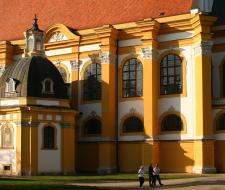 School is in top 10 best bilingual boarding schools in Germany
GermanyBerlinCurrently watching: 5from 17892 € / semester
School is in top 10 best bilingual boarding schools in Germany
GermanyBerlinCurrently watching: 5from 17892 € / semester -
 from 24000.00 € / year
 -
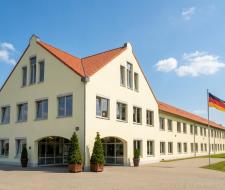 In 2023 IGCSE results - 90% of our exams were graded A*- C
GermanyCologneCurrently watching: 4
In 2023 IGCSE results - 90% of our exams were graded A*- C
GermanyCologneCurrently watching: 4 -
 In 2021 an average Abitur score made up 2.29
GermanyMunichCurrently watching: 1from 24000 € / semester
In 2021 an average Abitur score made up 2.29
GermanyMunichCurrently watching: 1from 24000 € / semester -
 from 2750.00 € / 2 weeks
 -
 from 20100 € / semester
 -
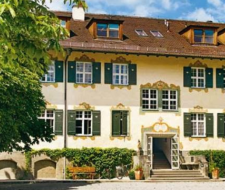 from 39660.00 € / year
 -
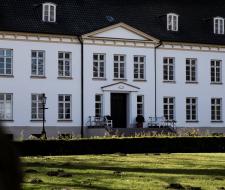 from 20790.00 € / term
 -
 from 30975.00 € / year
 -
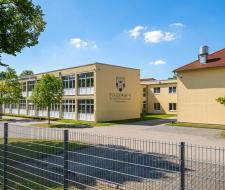 For 3 years, the average IB score is 34.9, which is higher than the world result
GermanyDüsseldorfCurrently watching: 2
For 3 years, the average IB score is 34.9, which is higher than the world result
GermanyDüsseldorfCurrently watching: 2
Germany is a country with a unique culture, history, dynamic lifestyle, and many interesting places to explore while studying here, which is why it is considered one of the best in the world for higher education. It has a variety of prestigious universities with high rankings in history, hundreds of specialized history studying programs to choose from, degrees that are valued around the world, and affordable prices.
The study of history in Germany usually is conducted in the form of innovative concepts, which are implemented in educational programs at universities. History schools in Germany provide a unique environment for the study of history due to the country's rich history, numerous historical sites, and cooperation with universities around the world, which give students the opportunity to take internships in different universities and companies.
Alternative destinations
German history schools for international students at universities
-
Humboldt-Universität zu Berlin: The "Art and Visual History" program provides a comprehensive grounding in the evolution of artistic design from the early medieval period to the contemporary era. Its scope encompasses the history of architecture, urban planning, sculpture, painting, graphic arts, decorative arts, photography, cinema, electronic imagery, scientific visualization, and installation art. Students are also introduced to applied professional fields, including museology, heritage conservation, art journalism, and the art market. The program’s primary objectives are to develop a deep understanding of historiographical methodology and to foster the critical analysis of visual artifacts across diverse historical frameworks.
-
Universität des Saarlandes: The Department of History offers a research-intensive Master's program structured around three core chronological pillars—Antiquity, the Middle Ages, and Modernity—and two key thematic areas: Economic and Social History, and Cultural and Media History. The module content engages students with contemporary historiographical debates, develops their capacity for independent scholarly inquiry, and provides a solid foundation for pursuing doctoral research.
-
Freie Universität Berlin: The Faculty of History and Cultural Studies maintains a research agenda that is unique within the German academic landscape. Its curricular offerings are exceptionally broad, encompassing eras from classical antiquity to the present day and geographic regions spanning Europe, the Middle East, Asia, and the Americas. This diversity is reflected in a pedagogical approach that combines multiple methodologies, resulting in rich and intellectually stimulating seminars both within and across disciplinary boundaries.
-
Rheinische Friedrich-Wilhelms-Universität Bonn: The history curriculum is committed to the rigorous, methodical examination of historical agents, events, objects, structures, and processes. Through the systematic investigation of political, social, and cultural interrelations, students develop a critical awareness of historical continuity, rupture, and the specificities of individual epochs.
-
Westfälische Wilhelms-Universität Münster: The Faculty of History and Philosophy brings together a variety of disciplines united by a common focus on the artifacts and expressions of human communal life—from rudimentary social formations to advanced civilizations. Its academic portfolio includes Byzantine and Modern Greek Studies, Ethnology, Classical and Christian Archaeology, and Art History, among others.
Advantages of studying history in Germany for international students
- Preparing students for the requirements of the international labor market.
- Prospects for cooperation with political structures or global non-governmental organizations.
- Unique programs in the history of innovation and environmental history.
- Opportunity to use invaluable resources: visits to museums and archives, such as the German National Museum and the Berlin State Library.
- Opportunity to receive a scholarship for the study of history and cultural heritage.