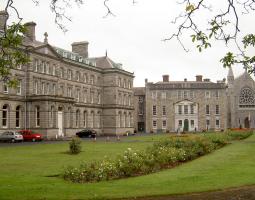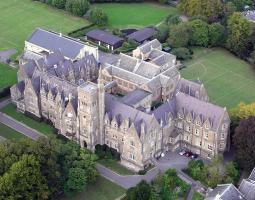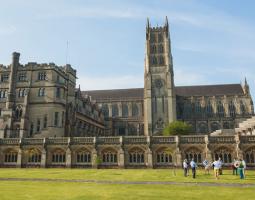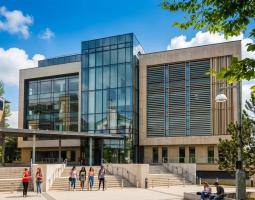
Wishford Schools, Wishford School Network















Programs and prices, tuition fees in Wishford Schools, Wishford School Network


Cricklade Manor Prep School
- Age of students — 2–11 years,
- Duration of study — up to eight years.
This school in the network positions itself as a place where high academic achievement and a warm, supportive atmosphere are combined. It is a space where students receive a strong academic foundation while also feeling calm and confident.
A high level of education is achieved through small class sizes and a personalised approach: this makes studying more flexible, and students receive more attention from their teachers. Graduates often continue their education at the Senior Schools within the Wishford group, including Westonbirt School.
Hatherop Castle School & Nursery
- Age of students — 2–13 years,
- Duration of study — up to nine years.
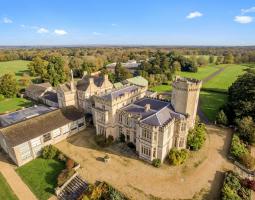
This school in the network offers both day and boarding formats. The school is located in a historic castle in the Cotswolds, and the atmosphere here is closely tied to its surroundings. Staff describe their school as a place where children can live their childhood actively, with a sense of freedom and discovery.
The academic program is broad: children study core subjects and take part in an open education program, so a great deal of time is devoted to outdoor activities after standard lessons, and developing independence.
The school has a boarding house and a rich extracurricular life. Hatherop Castle School & Nursery is considered one of the most traditional and atmospheric schools within the Wishford group.
Heywood Prep School
- Age of students — 2–11 years,
- Duration of study — from 6 to 8 years.
A calm and supportive community where students feel confident and comfortable. The main focus is on developing a love of learning, building confidence, and unlocking each child's individual potential.
Special attention at Heywood Prep is given to the care of children: efforts are made to create conditions in which students feel supported not only in their studies but also in everyday school life. Small class sizes help teachers give more attention to each pupil.
The school has approximately one hectare of gardens and open spaces: these areas are used for play, outdoor activities, and learning outside the classroom.
St David’s Prep School
- Age of students — 2–11 years.
From an early age, the emphasis here is on quality education and opportunities for development, so from the very first years, some subjects are taught by specialist teachers who focus on specific disciplines, rather than only generalist educators. This system allows children to engage more deeply with subjects and gain more structured knowledge. Teachers and tutors work to develop students' independence and creative thinking, combining an academic foundation with practical experience.
The school is located on grounds consisting of green spaces — these areas are used for learning, play, and various outdoor activities.
St Edward’s Prep School
- Age of students — 3–11 years.
Staff at this school in the network describe it as an active and supportive environment where students feel noticed by adults and gradually become accustomed to the high expectations placed on them by the modern world. Teachers strive to combine support with gentle motivation towards development and achievement.
At St Edward’s Prep School, close attention is paid to academic preparation: students frequently take part in competitions and additional educational programs, which helps them build confidence in their knowledge and take on more challenging academic tasks.
St Faith’s Prep School
- Age of students — 2–11 years.
This is one of the academically strongest schools in the group — the focus here is on excellent results and high-quality educational preparation. As a result, the school has a very high pass rate for the 11+ Kent Test — often 90%+. In addition, many students become scholarship recipients.
At the same time, attention is paid not only to knowledge but also to the child's inner mindset. The approach is underpinned by the idea reflected in the school's motto: I can and I will. Teachers help students develop confidence in their abilities and gradually become accustomed to high expectations, maintaining motivation and a calm attitude towards learning.
The Mead School
- Age of students — 2–11 years.
The school is widely known for its strong community culture, where the sense of a unified and supportive academic community is highly valued; therefore, in addition to academic results, atmosphere and day-to-day support for students play an important role at The Mead School. Graduates regularly achieve strong results in the Kent Test and subsequently gain places at strong Secondary Schools.
Rupert House School
- Age of students — 3–11 years.
The school describes itself as a place where staff strive to combine a warm, calm atmosphere with high academic expectations. Students learn in an environment where not only results matter, but also an overall sense of confidence and comfort. Great attention is paid to creative learning and the development of flexible thinking; students are nurtured in personal qualities such as resilience, courage, and respect for others.
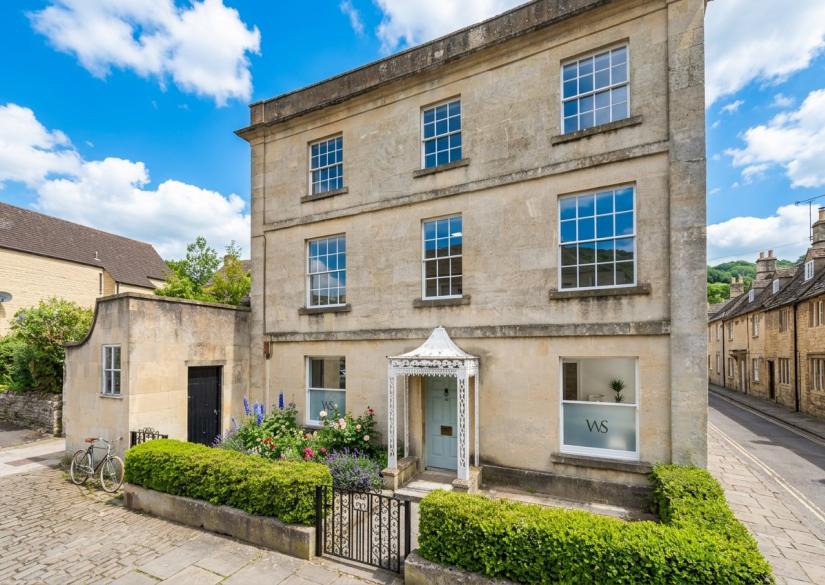
Rupert House School is located right in the town centre.
High March School
- Age of students — 3–11 years.
This girls' school opened in 1926 and over that time has built a strong reputation in the county.
The academic approach combines educational tradition and modern communication: students live and study in an environment where both academic achievement and a sense of support and belonging to the school community are valued.
Great attention at High March School is given to developing confidence, leadership skills, and preparation for the transition to Senior Schools. Students are helped to gradually build independence and self-confidence, so that the next stage of their education is approached with greater ease and awareness.
Westonbirt School (Senior + Sixth Form)
- Age of students — 2–18 years old.
The only school in the educational group where education covers the entire journey: from early childhood to graduation, that is, from 2 to 18 years old. It is located in a historic manor house in the Cotswolds and sits within the grounds of a large park. Westonbirt caters to both day pupils and boarders.
It comprises several stages of education: Prep School, Senior School with preparation for GCSEs, and Sixth Form, where students prepare for A-levels — this format allows pupils to complete their entire school journey within one system, progressing gradually from primary level to final exams and university entry.
It is widely recognized for its strong academic preparation and high results. Particular attention is paid to pupils' progress relative to their starting point — by this measure, Westonbirt ranks in approximately the top 5% of British schools.
Summer School Programs
- Age of students — 8–16 years,
- Course duration — from one to four weeks.
These programs typically last from one to four weeks and are conducted at Wishford schools and their summer campuses. Within these courses, students can choose different directions: there is English Language Immersion in the English language, Academic Preparation Courses for academic preparation, and general Summer School Programs that combine studying, active recreation, and skill development.
Summer students live on campus, have three meals a day, and study English together with native-speaker teachers and peers from other countries. In addition to regular lessons, there are themed clubs, sporting events, and regular trips — usually 2–3 excursions per week.
The summer program includes trips to various cities and attractions across the United Kingdom: among them London (including London Eye and river cruises along the Thames), Oxford, Bath, and Cardiff. Additionally, students visit Legoland Windsor, which combines entertainment and educational formats.
Description of Wishford Schools, Wishford School Network
- Location: Wiltshire, South England,
- Year founded: 2011,
- Language of instruction: English,
- Type of study: mixed.
Wishford Schools is a group of independent schools, nurseries and educational programs in the United Kingdom, which brings together about ten schools and twelve nurseries, and organizes educational camps. In total, approximately 2,500 children and teenagers study at Wishford.
Educational process
Wishford Schools does not have a single teaching template for all schools: each of them retains its individuality, but all are united by a common idea — to create a safe and supportive environment where students can study calmly and discover their strengths. Learning here is structured so that children feel confident, engaged in their studies, and are ready for the next stage of education.
Learning is tailored to the student: assignments, pace, and difficulty level can vary depending on individual needs. Core academic subjects play an important role: across all schools in the group, special attention is given to English, mathematics, and the natural sciences — they are considered the foundation of all learning.
At the same time, children and teenagers have the opportunity to develop in other areas as well: this may include art, sports, technology, or entrepreneurship — the choice is wide enough for everyone to find what suits them best.
Scientific achievements
Wishford Schools has its own Centre for Innovation in Education: this is an internal structure of the group that focuses on developing the educational process and finding new approaches to learning. The Centre studies modern teaching methods, supports teacher development, and helps implement new educational technologies, including the use of artificial intelligence and other digital tools in the learning environment. In addition to research, the Centre prepares professional materials and conducts preparation for teachers so that new approaches gradually become part of everyday school practice.
Accommodation, meals, prices
Wishford Schools has both day schools and boarding schools, where boarding is seen not merely as accommodation, but as an important part of life and learning.
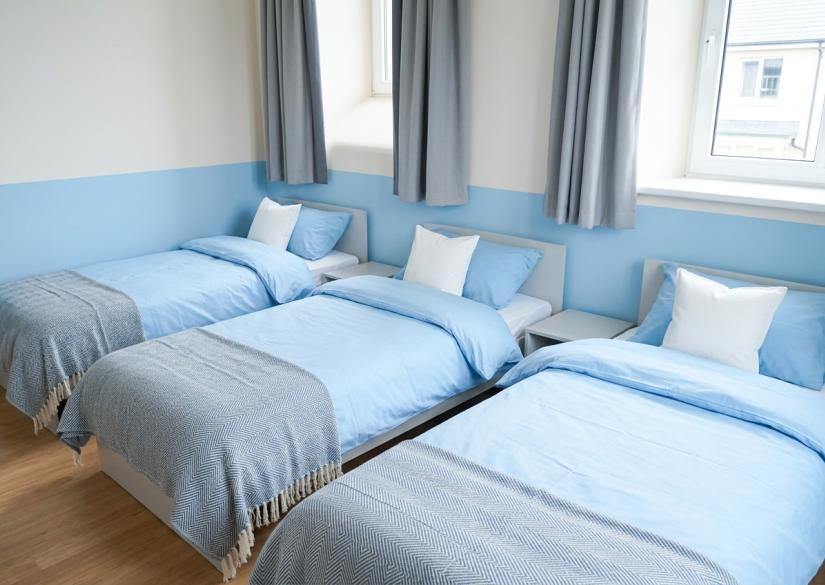
Children and teenagers live right on the premises, in conditions that aim to be as close to home as possible. Staff constantly monitor their safety and wellbeing, and also help them adapt to their new environment. All adults who work with students or have access to the residential buildings undergo regular thorough checks, and the living conditions meet national standards for boarding schools in the United Kingdom. Campuses may vary: some Wishford schools are located in historic buildings and country estates with extensive grounds, while others are in the city.
Life on campus helps students become more independent, learn to communicate, and feel part of the school community.
Meals are provided on a full-board basis: students who live on campus are offered 3 main meals a day and additional snacks. Food is prepared by professional chefs, with an emphasis on fresh and seasonal ingredients. Menus are designed to ensure balanced and nutritious eating, with great attention paid to food safety: allergens are strictly controlled, all products are labelled, and kitchen staff receive specialist preparation. For example, a nut-free policy is in place to reduce risks for children with allergies.
Activities Wishford Schools, Wishford School Network
At Wishford Schools, excursions and educational trips are not a rare addition but a regular part of the studying process — they are built into the core curriculum and help students better understand the material through hands-on experience, not just classroom lessons. Students regularly visit real historical and scientific sites: for example, they explore botany at the Kew Botanical Gardens, study Roman history at Chedworth Roman Villa, and discover ancient civilizations at the Ashmolean Museum. The program also includes trips to the Holburne Museum, Corinium Museum, Berkeley Castle, Westonbirt Arboretum, and the We The Curious science centre.
In addition to day trips, children and teenagers take part in larger residential programs. For instance, students go on week-long expeditions to Skern Lodge, where they develop independence, try out different sports, and learn to work as a team. The annual Wishford Weekend event brings together students from across the school network to live in a camping site and take part in joint activities.
Summer schools offer even more opportunities for trips. On average, students go on excursions about three times a week, with destinations including London (including a river cruise and the London Eye), Oxford, Cardiff, and Bath. The program also includes entertainment and nature destinations such as Legoland Windsor and Cotswold Country Park & Beach.
A great deal also happens on Wishford campuses: themed days are held regularly, including science festivals, cultural celebrations (such as the Indian festival of Diwali), environmental initiatives, and art exhibitions. Larger network-wide events are also organized, including sports tournaments and creative projects such as the Wishford Art Exhibition.
Clubs play an important role in students' lives: meetings are held during the day and after school, with a fairly wide range of themes depending on the specific school. Activities on offer include dance, judo, yoga, theatre, manga clubs, and various sports — students can try fencing, archery, badminton, or team games — as well as outdoor activities and creative circles. Students are also offered special programs and workshops, for example in cooking, golf, horse riding, tennis, robotics, or performing arts.
Advantages
- Education is tailored to each child: there is no single universal system for everyone, each learning center maintains its own traditions and approach so that students can study in an environment that is comfortable for them.
- Great attention is paid not only to academic results, but also to the emotional well-being of children. It is important that students feel calm, confident, and safe — this is an integral part of the learning process.
- Schools demonstrate strong academic results: 90%+ of students successfully pass the Kent Test, which confirms the high level of preparation.
Facilities and equipment at Wishford Schools, Wishford School Network
Wishford Schools pays great attention to the conditions in which their students study. Each campus has modern classrooms and specialized facilities; the space is organized to support not only academic study but also project-based, research, and creative work. Resources are updated across all institutions within the educational group, and schools share their experience and best practices with one another — this helps maintain a consistently high standard of education while preserving the unique character of each learning center.
Sports infrastructure occupies a special place. Some schools, such as Westonbirt, have modern sports facilities: playing fields, tennis courts, artificial-surface pitches, cricket areas, and full sports complexes, including a covered 25-meter swimming pool.
Wishford has spaces for creative and practical activities where students can engage in art, music, theatre, and cookery. Campuses are equipped with dedicated areas for masterclasses and educational programs: for example, some schools have professional kitchens used both for catering and for lessons and extracurricular activities.
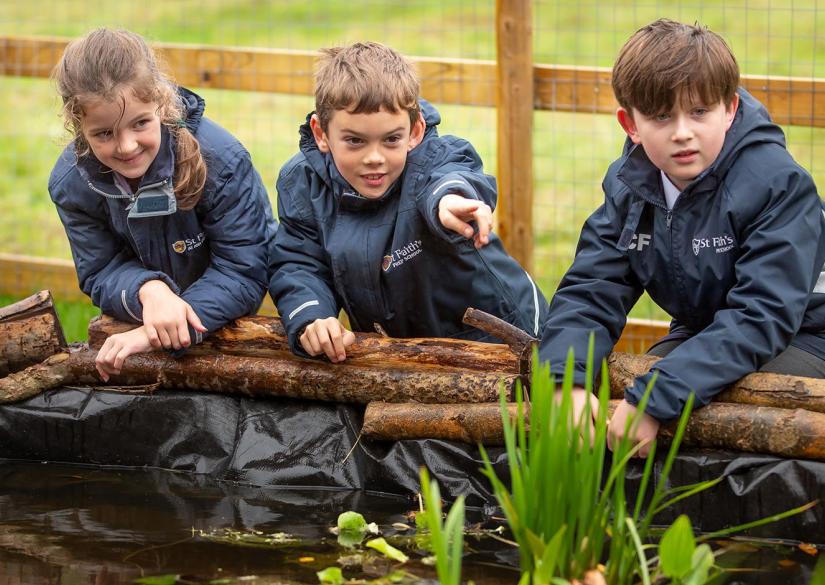
Many campuses are located in parks or on large green plots with gardens and open spaces. These grounds are actively used in teaching: outdoor lessons, sports activities, camps, and even small expeditions take place here.
One striking example is Westonbirt House: here, learning takes place inside a historic manor house that serves not only as an administrative building but also as a fully functional educational space with lecture rooms, halls, and residential areas. The campus also features separate specialized facilities: for example, the Marriott Music Centre with several studios, including the Greenwood Scott Studio and the Harborne Room. Sixth-form students have a dedicated Sixth Form Block. Science disciplines are studied in the Science Block, which houses laboratories, IT zones, and workshops. The Orangery — a large space with a stage and balcony — is used for events and performances, while the Great Hall is the main hall with a historic interior and an organ, where important school events take place.
Admission dates and extra charges
At Wishford Schools there is no single shared academic calendar for all — each school within the group sets its own term dates. However, the overall structure of the academic year is similar across all schools. The year is divided into 3 parts: Autumn Term runs from September to December, Spring Term — from January to March, and Summer Term — from April to July. This system is familiar to British schools and helps distribute the academic workload evenly.
In addition to the main tuition fees, there are also extra costs that are important to factor in ahead of time: meals, accommodation, examination fees for exams, and some learning materials are charged separately if they are not included in the core program. Additional classes are also charged separately — these may include music, LAMDA preparation, or individual lessons with teachers.
The list of expenses often includes excursions, sports trips, and participation in tournaments; organisational costs are also added, such as airport transfers to and from the school. Students should have personal spending money for everyday needs.
Enrolment process
At Wishford Schools, the admission decision is made not by the central office, but by the specific school itself — it is the school that assesses the candidate and decides whether its educational environment is the right fit for the student.
In the first stage, the family fills out an Application Form and submits it along with basic documents: typically these are school reports, information about previous education, and parents' contact details. After that, the school reviews the application and conducts an initial assessment.
If the student passes this stage, they are invited to proceed further. The next step may include an interview (in-person or online), along with testing or entrance assignments. For international students, English language proficiency is additionally assessed (the schools in the network do not have uniform language requirements or selection criteria).
Once all stages have been successfully completed, the school makes an offer of admission. If the family accepts it, the student officially becomes part of the school and a start date is confirmed. If the school is a boarding school, staff additionally discuss campus accommodation with the parents and help students adapt to the new environment.
Perspectives
At Wishford Schools, students are helped to prepare for the next stage after school — applying to university or choosing another path. The schools support the application process, help build a strong profile, and navigate the requirements of different institutions.
In the upper years (Sixth Form), students receive more targeted academic and career support: teenagers are helped to choose a direction and prepare for admission, whether in the humanities and creative fields, natural sciences, business, or technical areas.
At the same time, students are made aware that university is not the only option: graduates may also consider alternative paths, such as professional apprenticeships. This format is becoming increasingly popular among international students and allows them to combine study with practical experience.
Entry requirements, how to apply, what is required to enrol
To apply to Wishford Schools, you first need to fill out an Application Form, providing basic information about the prospective student and their family: previous school, home address, parents' contact details, and date of birth. This information is mandatory — it is required for official registration in the Wishford system and complies with British education requirements.
After submitting the application, each candidate is considered individually: the schools assess each child separately, rather than using a single template.
Scholarships Wishford Schools, Wishford School Network
Wishford Schools has a financial support system coordinated by the group's charitable foundation. Students can count on various forms of assistance: scholarships for academic achievements or talents, Bursaries and Grants, tuition discounts that depend on the family's financial situation. Such programs exist in all schools within the network, but each of them manages them independently, so the conditions, requirements, and amount of support may vary depending on the specific institution.
There is no separate scholarship system exclusively for foreign students; international candidates compete on equal terms with British children. This means that one can apply for both classic scholarships and Bursaries, provided the standard requirements are met: good academic performance, a sufficient level of English, and successful completion of an interview or entrance examinations.
Institution on the map
Residence permits, citizenship and other services
- Guardianship services during the studies
- Student supervision
Review about Wishford Schools, Wishford School Network
Recommendations on when to apply
| Language courses, schools and children's language camps | Primary and secondary education - private schools | Preparation programmes for entering universities - higher education | Higher education (after completing accredited programs A-level, IB, High School) - Bachelor, Master, MBA |
| - we recommend to apply 6-9 months before the start of the course (some camps and schools offer discounts for early booking or for lengthy study programs) - there are some very popular and high demand children's camps, where the applications need to be submitted 1 year in advance (in particular Switzerland , Great Britain , USA , Canada , Austria) | - we recommend to apply one year before the start of the training program, - some schools have a specific time frame (September-November - please specify an individual school) - some schools require tests in several stages (UKISET, internal tests of the school: English, mathematics, logics, subjects, interview, some require a personal visit) | - we recommend to apply one year before the start of the program, - for Foundation and Pathway programs, IELTS and TOEFL certificates are usually required, respectively | - recommended submission one year before the start of the program, - the deadline normally closes in January, for TOP HEIs and, as a rule, in March in other universities - for a bachelor, a Foundation or Pathway preparatory program a completed A-level, IB, High School + IELTS / TOEFL are required - for Masters you need a graduated higher education, in some cases you need a pre-Masters program - MBA requires completed higher education, work experience preferably at least 2-3 years, etc. |