
Let’s be honest: choosing where to study abroad is a massive decision. You’re weighing tuition costs, career prospects, language barriers, and the simple, daunting question of whether you can actually live 5,000 miles from home. It’s easy to get lost in the glossy brochures and drone-shot campus videos.
But here’s the reality that those videos don’t always capture: the most memorable lessons you’ll take away from your time abroad won’t come from a lecture hall. They’ll come from the environment you wake up to every single day. Choosing a university set in an extraordinary landscape—whether it’s a coastal town in New Zealand, a mountain village in Switzerland, or a remote research station in Costa Rica—isn't about having a pretty view. It's about making a strategic choice for your personal growth and your future resume.

The Practical Upside of Rugged Terrain
Studying abroad is inherently disorienting. You’re navigating a new culture, a new currency, and a new academic system. When you add a dynamic landscape to that mix, you’re forced to adapt quickly and practically.
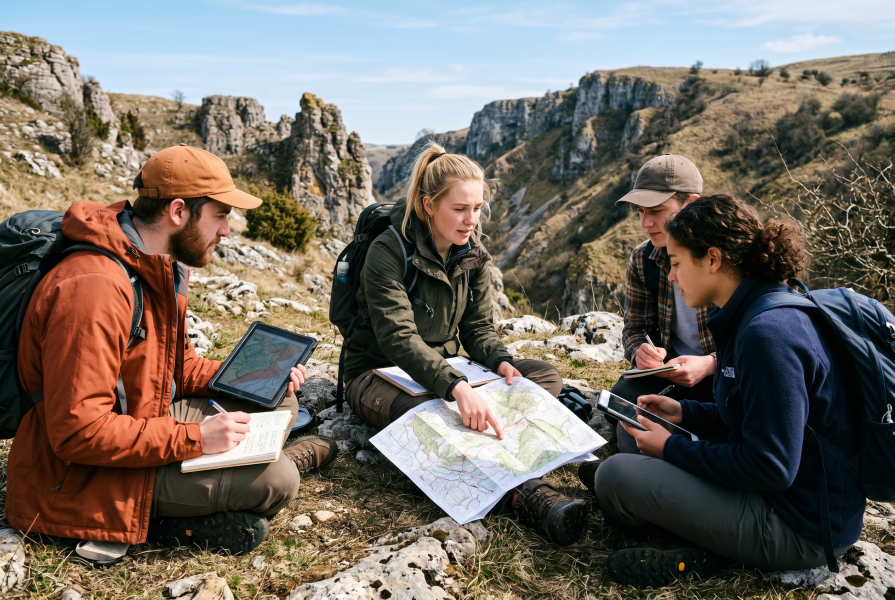
Fieldwork isn't a novelty trip; it’s a core component of the curriculum. In a coastal marine biology program, your "lab" is the tide pool. In a European geopark, your geology homework involves literally mapping fault lines. You aren't just reading case studies; you’re gathering the raw data for them. When you return home and sit in a job interview, you won't just say you "studied sustainability." You’ll explain how you measured glacial melt for a semester, or how you helped a rural community implement a water purification system. That kind of hands-on experience is tangible. It shows grit, resourcefulness, and the ability to get your hands dirty—qualities that employers in any country actively look for.
Facing the Logistical Reality
Let’s talk about the real challenges. Living in a remote or rural area abroad means public transport might be limited. You might have to learn to drive on the opposite side of the road, or rely on a bicycle to get to the local market. Wi-Fi can be spotty during storms. You’ll have to cook for yourself more often because the student café closes early.
These aren’t downsides; they are kind of the curriculum of adulthood. You end up learning to manage a budget when the nearest big-box store is two hours away, or you navigate local bureaucracy, just to get a residency permit. Then there’s the everyday stuff, like learning to layer clothes properly for unpredictable mountain weather. Those abilities build a level of self-sufficiency that a city campus basically can’t re-create. You get pulled out of your comfort zone by the geography itself, like it’s not even optional.

The Network You Actually Build
When you study in a breathtaking but isolated location, the whole social dynamic shifts. You aren’t just one of thousands of anonymous students. Your cohort is smaller, so you lean on each other more, often without thinking. You share rides to the airport, you celebrate surviving a grueling hike, and yes you end up cooking dinner together during a power outage.
These are the friendships that stick around long after the semester ends. Your professional network becomes international, but also deeply personal. The people you struggled through field camp with become the contacts you call ten years later, when you need a research partner in South America, or a business route in Scandinavia. Sometimes it’s not “networking” in the usual sense… it’s just who you know, because you actually lived through things with them.
The Long-Term Value
In the end, picking a scenic campus abroad isn’t about a vacation. It’s about maximizing your return on investment, and being honest about what you’re paying for. You’re funding an education that gives you a hard skill collection (data analysis, environmental science, language proficiency) and a soft skill collection (resilience, cultural agility, problem-solving under pressure).
When you graduate, your degree is the credential, but your story is what separates you. The story of how you adapted to life on a windswept island, or on a remote mountaintop, that proof matters. It shows you weren’t just chasing a degree. You were reaching for a challenge, and you had the courage to meet it face-first, on the other side of the world.