South Devon College


Programs and prices, tuition fees in South Devon College


A-Level Courses
- Age of students– from 16 years old,
- The period of study is two years.
South Devon College offers a wide range of subject courses to gain in-depth knowledge, prepare for A-Level. The studying will take two academic years, will be full of theoretical classes in small groups, project work in individual and collective formats.
Some of the directions for studying are:
- Art, design,
- Business Studies,
- Biology
- English language
- Chemistry
- Film Studies,
- Geography
- Advanced Mathematics,
- Jurisprudence
- Philosophy
- Physics
- History
- Politics
- Sociology
- Psychology.
T-Level Courses
- Age of students – from 16 years old,
- The period of study is two years.
T-Level subject areas are technical specialties, the studying in which is based on regular practice of professional skills. There are five areas of study available at the college:
- Education, early years: pedagogy of early childhood,
- Education, Early Years: Teaching Assistance,
- Design, development for engineering and production: mechanical engineering,
- Design, development for engineering and production: electrical engineering, electronics,
- Design, development for engineering and production: control and measuring equipment.
Adult Learning Courses
- Age of students – from 19 years old,
- The duration of studying is from one year.
Students over the age of 19 can receive a certificate or diploma confirming professional qualifications in one of the many areas offered. Many adult courses are an important step in preparing for university.
Some of the in-demand directions are:
- Health care
- Humanities
- Medical sciences,
- Accounting
- Design using computer technologies,
- Natural Sciences: Biology, Chemistry, Mathematics,
- Social Sciences,
- Adult Care,
- Photography
- Printed graphics,
- Stone processing,
- British Sign Language.
More than 190 programs for adults make it possible to choose a specialty in which a student wants to develop in the future, after studying, a range of places for employment, internships and professional knowledge will open up for him.
High School Program
- Age of students – from 14 years old,
- The duration of studying is from two years.
The secondary school program is based on Key Stage 4 and is the study of GCSE core and elective subjects, followed by final exams. The main disciplines will be:
- Mathematics
- English Language and Literature,
- Natural Sciences: Biology, Chemistry, Physics,
- Physical education
- PSHE,
- Career education.
In addition to them, the student can choose four subjects that are most suitable for his further goals and abilities. The following qualifications are available at the college:
- Sports adventures, tourism,
- Animal care,
- Automotive Manufacturing,
- Business Studies,
- Child Care, Early Development,
- Engineering
- Games, digital development,
- Computer Science,
- Art: drawing, engraving, painting, photography, fashion, textiles and 3D design,
- Geography
- History
- Sociology
- Photography
- Hospitality
- Healthcare, social assistance.
Students will have to pass nine subjects, including the majors, to earn a high school diploma.
Sixth Form Program
- Age of students – from 16 years old,
- The period of study is two years.
For two years, high school students study 3-4 A- or T-Level disciplines in depth, preparing for final exams and university admission. A wide range of subjects are available at South Devon College that can be studied at both theoretical and applied levels. A-Level disciplines offer project-based research activities, academic preparation and effective development of professional knowledge, and T-Level subjects are a serious step towards professional activity through regular practice and internships.
Examples of A-Level courses include:
- English language, literature,
- Geography
- Mathematics
- History
- Physics
- Philosophy
- Art, design,
- Sociology
- Psychology
- Biology
- Business Research.
T-Levels offer engineering, education, and teaching preparation.
In their free time, high school students pay attention to individual talents and abilities, attending a number of electives:
- Model United Nations,
- Discussion Club,
- Participation in the creation of a student newspaper,
- National Civil Service, Volunteering,
- Sports and others.
Apprenticeships Programs
- Age of students – from 16 years old,
- The duration of studying is from one year.
Apprenticeship courses provide students with professional knowledge and skills, which are developed through work under the guidance of specialized teachers, regular practice in studios, workshops, internships.
The college offers a wide range of directions:
- Automotive industry,
- Hospitality, catering,
- Health, Care,
- Sports, adventure, fitness,
- Education: children, teenagers,
- Business
- Construction
- Digital media,
- Engineering
- Shipbuilding.
Thanks to partnerships with local organizations, South Devon College provides its students with a wide range of internships: from the practice of an assistant accountant to the apprentice of a fisherman.
University Centre: Bachelor’s Programs
- Age of students – from 18 years old,
- The duration of studying is one year.
At the University Centre South Devon, which is part of the college, apprenticeship programs are taught at different levels of professional preparation. The last stage of education is to obtain a bachelor's degree. Students can choose one of the fields available at the undergraduate level:
- Healthcare: Audiology,
- Social, therapeutic interventions,
- Study of childhood, youth,
- Integrated engineering technologies,
- Leadership, Management,
- Coaching,
- Applied Zootechnics.
If you complete the previous degree – an apprenticeship – the undergraduate program will take only one academic year.
Description of South Devon College
- Location: Torbay, England,
- Language of instruction: English,
- Type of studying: mixed,
- Providing education since: 1931,
- Number of students: 10,000.
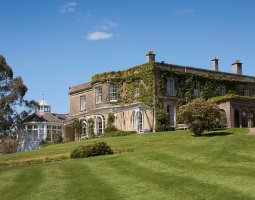
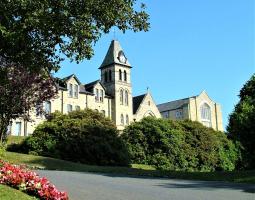
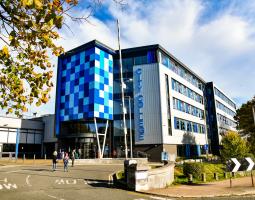
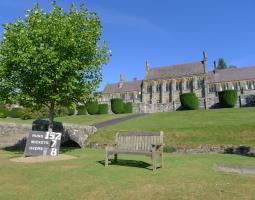
South Devon College is an additional education college with eight campuses in and around Torbay; is part of the University of Plymouth College Network. The college has nearly 700 teaching and support staff.
South Devon College offers school-level courses, apprenticeships, supported internship programs, professional preparation for adults. Conducting studying in educational areas with modern equipment and opportunities for obtaining practical skills, the college annually graduates qualified specialists, competitive applicants for leading universities around the world.
The student community of South Devon College consists of local students, and representatives of other countries. Coming from different countries, students enter the institutions and receive many benefits: from personalized curricula, effective subject preparation to international educational experience, the creation of important professional connections.
Educational process
Many technical and vocational courses offer work placements and are developed with input from local employers. Students gain experience with real clients by preparing and serving food at Horizons under the guidance of College staff and welcoming customers at the Inspirations training salon. At the student research and innovation center, students, lecturers, and partner organizations collaborate on practical, interdisciplinary projects.
- Marine training involves practicing navigation, vessel maneuvering, and safety procedures on a simulator. Marine engineering students test vessel stability, analyze load distribution, and conduct virtual design trials,
- Animal care courses address animal handling, biology, husbandry, and conservation. Partnerships with local employers, including Paignton Zoo, provide opportunities for work placements and vocational trips. Students help design and maintain animal enclosures and terrariums,
- Automotive courses address engine diagnostics, electric vehicle servicing, fabrication, air conditioning, parts distribution, and customer service. Students use specialist diagnostic equipment and safety gear when working with high-voltage systems. Work on gasoline and diesel vehicles addresses brakes, suspension, steering, and exhaust systems,
- Carpentry courses combine hand tool methods with modern machinery. Students make doors, windows, staircases with turns, decorative paneling, and cladding, and contribute to community projects,
- Construction courses address blockwork, decorative brickwork, cavity walls, and foundations. Plastering students learn to prepare surfaces, apply solid and fibrous plaster, and complete finishing work,
- Painting and decorating students learn low-pressure paint spraying, surface preparation, color theory, wallpapering, and decorative effects,
- Electrical courses involve complex installation work, fault-finding, and the inspection and testing of systems. Plumbing students learn about copper and plastic pipework, water supply, central heating, guttering and rainwater systems, sanitary ware, and copper soldering. Practical work is supplemented by IT systems and AI features,
- Early years courses address child development, play-based learning, safeguarding, early literacy, and numeracy. Work placements are available at the on-campus Mama Bear’s Day Nursery and local early years settings,
- Public Services students hear from guest speakers from the police, armed forces, and emergency services,
- Esports students learn gaming strategies, enterprise, coaching, tournament organization, commentary, and event delivery. In cybersecurity classes, one team simulates attacks while another defends systems,
- Digital media students learn real-time filmmaking using green screen and motion tracking,
- Football Academy students have access to sports science support, nutrition guidance, and performance analysis. Top performers may train with Torquay United first-team players,
- Business, law, accounting, human resources, management, and marketing courses are developed with employers in Torbay and South Devon.
Each Sixth Form student receives a laptop for the duration of their course, and tutors provide academic and personal support. Library staff conduct workshops on presentations, research skills, referencing, and exam preparation. The eLibrary and Virtual Learning Environment are accessible remotely around the clock. One-to-one and small-group support in English and mathematics uses past exam papers, revision materials, and interactive resources. Students can access mental health support, careers advice, and financial guidance. The program for home-educated students offers small classes, personal tutors, wellbeing support, and confidential counseling. At The Lodge, a space with low levels of sensory stimulation, staff help students with routines, organization, communication, and social interaction. The alumni network supports students through mentoring, talks, and placements.
Level 1 online courses use Moodle, while Level 2 qualifications use e-Assessor. Both platforms are available around the clock throughout the year. Courses consist of individual lessons with written assessments. Students receive feedback when needed and can revise or add to their work. Support is available by email, phone, and Microsoft Teams.
FdSc Computing students have regular one-to-one meetings with a personal tutor. Academic support addresses study skills, written English, academic writing, research, critical thinking, and revision. Courses are conducted by academic staff and professional practitioners with industry experience, with technicians contributing where needed. Doctoral and other postgraduate students undertaking teacher preparation may conduct seminars under the supervision of the module leader. Independent work involves reading books and journal articles, individual and group projects, research, and preparation for written assignments, presentations, and exams. Adjustments to teaching and more flexible timetables can accommodate personal responsibilities. FdSc Computing classes are smaller than those at traditional universities, and all modules adopt security by design. Full-time students complete 120 credits per year. A home computer is recommended. Students without one can use equipment at the university center five days a week during opening hours.
Faculties and colleges
At South Devon College, teaching is conducted at several levels:
- A- and T-Level courses,
- Professional Apprenticeship Programs,
- Professional courses for adults,
- GCSE Secondary School Programme,
- Sixth Form Graduating Class Program.
The college’s school division, South Devon High School, offers students aged 14–16 specialist programs in science, technology, engineering, and mathematics, creative arts, sports, and business.
Scientific achievements
The college received the Green Gown Award for Sustainability Institution of the Year and the Planet Saver award from the Devon Chamber of Commerce. Two Beacon Awards recognized its support for student carers and its work to embed sustainability in the curriculum. The college achieved 100% across all eight Gatsby Benchmarks for careers education.
The Roc + Dock project, developed in partnership with Hydrosurv and supported by Innovate UK, produced automated docking stations for deploying, recovering, and charging zero-emission Uncrewed Surface Vessels. The student research and innovation center was established in partnership with the University of Plymouth. It helps students apply for research and innovation grants and publishes the annual Student Innovation and Research Journal, where students can publish their work. The college's photonics facilities are used in the PICPAC project to prepare specialists in photonic semiconductors. The college hosts international photonics conferences and works with the Torbay Hi-Tech Cluster and EPIC in Torbay.
- Construction students have competed successfully in the national SkillBuild competition,
- The Football Academy reached three national elite AoC Cup finals in five years,
- Students hosted the largest live Esports tournament in the South West of England,
- A former Marine Engineering student became Managing Director at Salcombe Marine Services. His career after college also included working in Formula 1.
Things to know about
- The purpose-built Marine Academy officially opened in 2022,
- Animal Unit students use recycled materials to make bird boxes, bat boxes, hedgehog homes, and barn owl boxes, helping support biodiversity,
- South Devon College is Torbay’s third-largest employer.
Accommodation, meals, prices
The South Devon University Center, which is part of the college, offers accommodation in comfortable residences. Students are accommodated in rooms with improved conditions, apartments and shared houses for 3-8 people, provided with all the necessary services and round-the-clock support from employees living in the neighborhood. The residences are close to the centre of Painton, close to the beach and learning grounds.
Students are provided with assistance in finding housing near campuses if necessary.
Activities South Devon College
During the academic year, a lot of events are held on the campuses of South Devon College aimed at uniting the student community, realizing the talents and abilities of each student, and recreation. The year begins with a week of freshmen, who are greeted with various thematic events: a concert, a club fair, a festive dinner. The most solemn events of the year are Christmas and graduation balls, as well as seasonal sports competitions of national teams.
Many opportunities for the development of individual interests include a range of themed clubs, including an international community, a LEGO club, a table tennis team and many others.
The SDSU students’ union organizes social and fundraising events. New students are invited to My Night to meet their peers through games, music, and entertainment. Students can become course representatives and attend meetings each term, or serve as college ambassadors during campus tours and open events.
- The annual Hair and Beauty Show offers students an opportunity to showcase their work on the catwalk,
- The weekly fitness program offers cardio and toning, yoga-Pilates fusion, dance fitness, group indoor cycling, Pilates, circuit-based strength and endurance exercises, yoga, and preparation for a 5K run,
- Badminton courts and equipment are available free each week. Students can bring a friend or family member at no extra cost,
- The Football Academy’s first team was entered in the National Youth Alliance League from September 2026, representing Torquay United Football Club. Two other teams compete in the AoC College League.
International exchanges combine education or work placements at partner organizations with cultural activities. The usual duration is two weeks, with groups of 8–16 students and two accompanying staff. Destinations named are Nova Scotia, Brittany, Cannes, Kiel, Szeged, Arnhem, Bodo, Halmstad, Soderhamn, Zanzibar, Gran Canaria, and Cape Town. Sixth Form students have visited Germany and Sweden.
Advantages
- The overall rating is "Good" according to the results of the Ofsted audit. In 2024, Ofsted rated education programs for young people, behavior and attitudes, personal development, and provision for learners with high needs as "Outstanding",
- The best college of additional education in 2014,
- Eight modern campuses,
- A wide range of courses: from school education to vocational preparation,
- Many additional services for a comfortable stay in England,
- Partnership with local specialized organizations, academic institutions,
- The college’s university center has a TEF Gold rating,
- The college was re-accredited with the Matrix Award for the quality of its impartial careers advice and guidance,
- University Centre South Devon has been awarded Indefinite Foundation Degree Awarding Powers,
- The Marine Academy is a recognized Royal Yachting Association Training Centre,
- The Marine Academy is a full member of British Marine and the Institute for Outdoor Learning, and an accredited provider for City & Guilds, EAL Awards, and the University of Plymouth,
- The art and design department is accredited as a center of excellence with the University of the Arts London.
Facilities and equipment at South Devon College
South Devon College is located in several study areas throughout South Devon, with campuses in Paignton, Torquay and Newton-Abbott: all of them are well connected by transport infrastructure, offer modern equipment and many specialized facilities for obtaining knowledge in various scientific fields. Studying takes place in classrooms with interactive whiteboards, audio and video equipment, subject laboratories, computer rooms with 200 PCs with Mac Suites. Students can spend their free time in recreation areas with billiard tables, game consoles, in open areas, in campus cafes.
Admission dates and extra charges
South Devon College is open throughout the calendar year, excluding national and international holidays, weekends and seasonal vacations. Depending on the program chosen, the schedule will vary, but most classes take place from Monday to Friday.
Sixth Form has a four-day timetable, leaving time for independent learning, employment, and enrichment activities. The program for home-educated students runs three days a week. Part-time FdSc Computing students may need to attend modules spread across three days of the full-time timetable. Football Academy training sessions take place on Mondays, Tuesdays, and Fridays, with matches on Wednesdays.
The list of additional costs will include:
- Registration and administration fees,
- Accommodation, meals and related housing services,
- Some extracurricular activities,
- Additional academic opportunities not provided for by the program,
- Compulsory insurance,
- Personal expenses.
Additional costs may arise for course books, equipment, materials, and course visits. Financial support may not cover them in full. Accommodation requires a deposit and a guarantor.
FdSc Computing tuition provides equipment for practical sessions, compulsory course visits, printing within an annual allowance, and access to course-related e-books and e-journals. Additional charges apply for printing above the allowance, optional trips within the UK and abroad, books students purchase, and an annual parking permit or bus pass.
Enrolment process
The admission process consists of several stages:
- Filling out the online form, submitting documents and paying fees,
- Passing an interview, possible entrance exams and attending a trial academic week at will,
- Receive an official letter of acceptance after which you can arrive on campus and start classes.
Perspectives
By completing any of the college programs, the student receives not only competitive knowledge and academic skills, but also a graduation certificate, thanks to which he can continue his studies at a higher educational institution. In 2024, 60% of students enrolled at the universities of the Russell Group – Manchester, Exeter, Birmingham and Durham, as well as local universities including the University of Plymouth, UWE and the University Centre of South Devon.
Around 75% of students progress to university, and the A-Level pass rate reaches 99%.
Entry requirements, how to apply, what is required to enrol
Admission criteria will vary depending on the level of education, course. Foreign applicants must have a passport, health insurance, visa or residence permit, as well as provide academic certificates from a previous place of study.
The level of English proficiency is an important admission criterion: future students need a sufficiently high level of knowledge to effectively progress through the curriculum.
Scholarships South Devon College
South Devon College offers a number of financial aid programs focused on encouraging academic achievement, reducing program costs. Some of the scholarships available are:
- Discretionary scholarship support for students aged 16-19 – paid to those students who are in a difficult financial situation,
- Scholarship for Vulnerable Groups – paid to students who are in foster care, have a disability, or live alone,
- Scholarship for students who have a special treatment and health support plan,
- Free meal program (for those who are eligible for benefits),
- Childcare for family students 16-19 years old,
- A scholarship fund for adult learners in need of financial support.
Eligibility for bursary funds depends on age, course, and household income. Support may cover course equipment, uniforms, and travel. Awards are not always paid in cash: vouchers and travel passes may be provided, while childcare support is paid directly to the provider.
Higher education students can access the University Hardship Fund. Assistance is awarded on a case-by-case basis to students experiencing financial difficulty following a change in circumstances during their course.
Institution on the map
Residence permits, citizenship and other services
- Guardianship services during the studies
- Student supervision
Review about South Devon College
Recommendations on when to apply
| Language courses, schools and children's language camps | Primary and secondary education - private schools | Preparation programmes for entering universities - higher education | Higher education (after completing accredited programs A-level, IB, High School) - Bachelor, Master, MBA |
| - we recommend to apply 6-9 months before the start of the course (some camps and schools offer discounts for early booking or for lengthy study programs) - there are some very popular and high demand children's camps, where the applications need to be submitted 1 year in advance (in particular Switzerland , Great Britain , USA , Canada , Austria) | - we recommend to apply one year before the start of the training program, - some schools have a specific time frame (September-November - please specify an individual school) - some schools require tests in several stages (UKISET, internal tests of the school: English, mathematics, logics, subjects, interview, some require a personal visit) | - we recommend to apply one year before the start of the program, - for Foundation and Pathway programs, IELTS and TOEFL certificates are usually required, respectively | - recommended submission one year before the start of the program, - the deadline normally closes in January, for TOP HEIs and, as a rule, in March in other universities - for a bachelor, a Foundation or Pathway preparatory program a completed A-level, IB, High School + IELTS / TOEFL are required - for Masters you need a graduated higher education, in some cases you need a pre-Masters program - MBA requires completed higher education, work experience preferably at least 2-3 years, etc. |