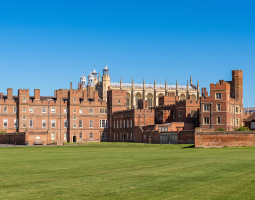
The Newcastle School

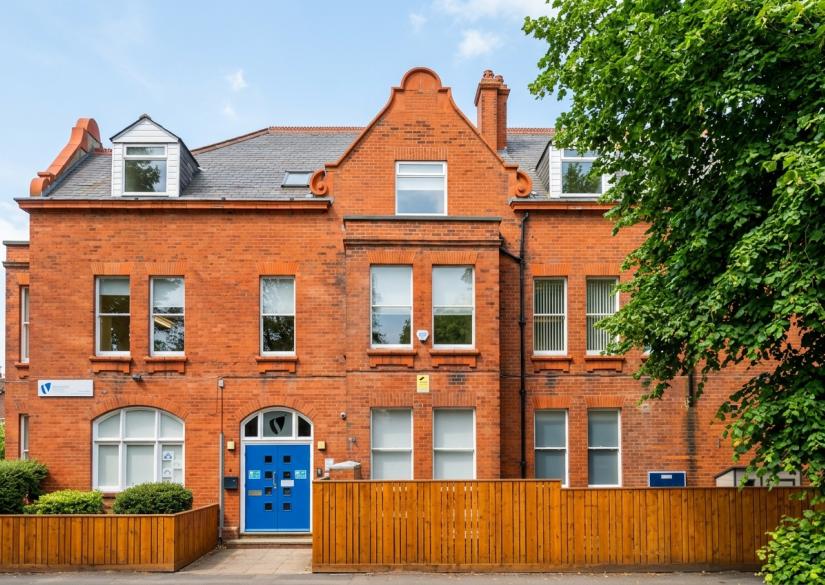






Programs and prices, tuition fees in The Newcastle School


Early Years
- Age — from 3 to 4 years.
- The duration of the training is two years.
A kindergarten with educational programs, unlike most out-of-school institutions, is headed by a qualified early childhood teacher, and is assisted by several teaching assistants. Boys are encouraged to learn through fun and interactive game-based activities.
Juniors
- Age — from 5 to 11 years.
- The duration of the study is six years.
From the first grade, boys receive specialized instruction in a range of subjects: French, ICT, music and physical education. Small class sizes allow for minimised learning difficulties through support at an individual level. The progress of each student is regularly monitored and adjusted.
Seniors
- Age — from 12 to 16 years old.
- The duration of the study is four years.
Boys in high school learn from educators who share their interest in the world and learning. The organization of all classes is designed taking into account the needs of the educational sphere, which changes regularly. Pupils' progress is tracked through regular assessments and reports that are provided to parents.
Sixth Form
- Age — from 17 years old.
- The duration of the training is one year.
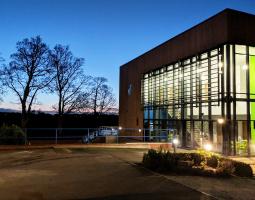
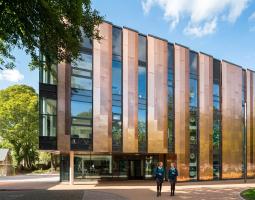
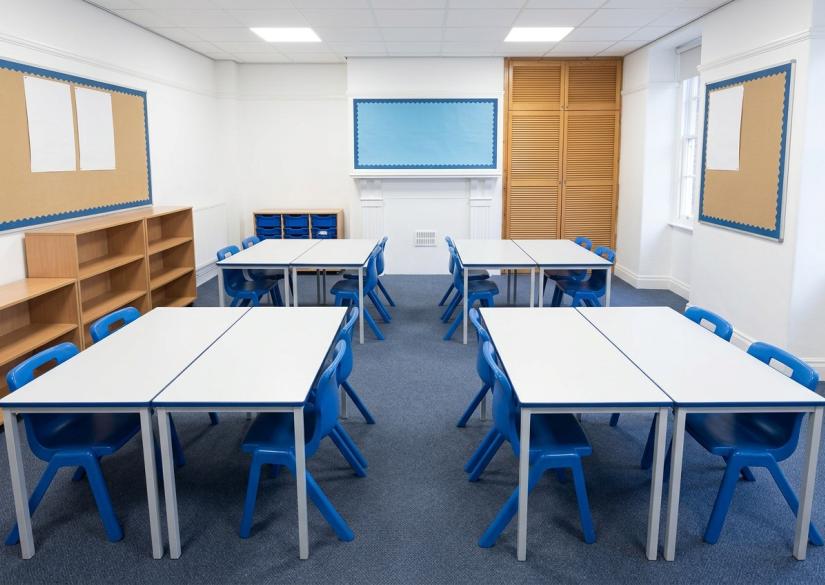
Graduating in the final year is unique and invaluable for boys. Small class sizes allow students to receive individual attention from teachers. Students study in a new and specially designed graduate center, which opened in September 2017.
Boys at Newcastle School for Boys learn from highly qualified teachers who make their learning effective and enjoyable. Each student is assigned a personal mentor who gives valuable advice both academically and personally.
Description of The Newcastle School
- Location: Newcastle upon Tyne, England,
- Founded: 2005,
- Language of instruction: English,
- Type: coeducational.
Newcastle School for Boys is now known as The Newcastle School, a private school for children aged 3 to 18.
The school was founded as a result of the merger of two educational institutions: Ascham House School and Newlands Preparatory School. The school has about 400 students, and its director is David Tickner.
Educational process
The Early Years Foundation Stage program combines purposeful play with structured learning in the preschool department. PE and Music are taught by specialist teachers. In Junior School, specialist teaching covers Music, Art, and Physical Education. Each child's progress is monitored so that support and the level of challenge can be tailored to their needs.
In Senior School, teachers regularly assess pupils' progress and adjust teaching methods, the level of challenge, and support. Pupils are set individual academic targets. Form tutors provide daily academic and pastoral support. Most pupils study ten GCSE subjects.
Each Sixth Form student meets regularly with a personal tutor to discuss academic progress, well-being, future plans, and personal development. Support also includes a dedicated Sixth Form pastoral team, the Head of Futures, careers guidance, the Support for Learning department, in-house counseling provision, and academic mentoring and guidance.
The school uses assessment results to determine whether a student needs additional English language support. Weekly provision may be 3 hours for moderate needs or 8 hours for those requiring greater assistance. Students who do not need additional help are not assigned it. The level of support is reviewed regularly as their English develops.
Faculties and colleges
Newcastle School for Boys consists of:
- Kindergarten
- Primary School,
- High School,
- Sixth Form.
Scientific achievements
Exam results in 2026 were as follows:
- A Level: 29.2% of grades were A*–A, 69.4% were A*–C, and 97.2% were A*–E,
- GCSE: 28.2% of grades were 9–7, and 90.6% were 9–4.
The school reports that 100% of Year 2 pupils and 87% of Year 6 pupils achieve at or above age-appropriate levels in reading and math. The reporting period for these two figures is not specified.
Things to know about
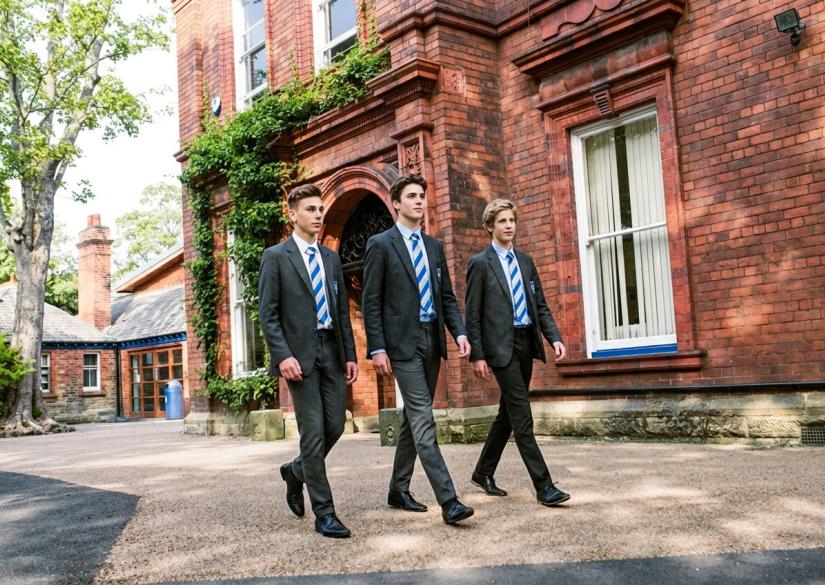
All students at Newcastle School for Boys wear uniforms, and the school has partnered with Schoolblazer and Samurai Sportswear to maintain a consistent style.
The alumni community brings together former pupils of The Newcastle School, Newcastle School for Boys, Ascham House School, and Newlands School.
Accommodation, meals, prices
After admission, boys are assigned to one of four residential buildings on campus. They are assigned a separate place until the end of their education. Weekly home rehearsals of anthems and in-house competitions such as rugby, cricket and choral singing take place between the residences.
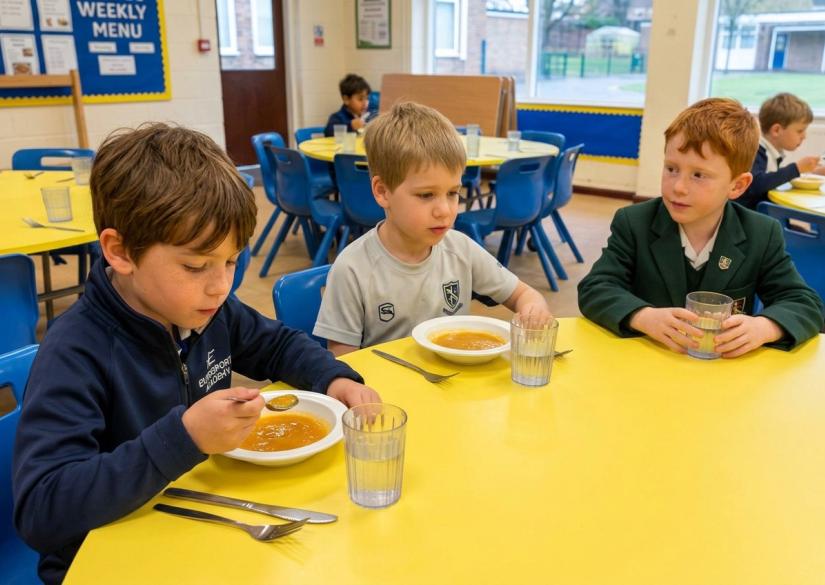
Thomas Francks, a private international catering company that has earned a reputation as an industry leader through its individual approach to cooperation with schools, is responsible for meals at the school.
Freshly prepared school lunches are available to all pupils. Breakfast is provided for everyone attending the breakfast clubs in Nursery, Reception, and Junior School.
Activities The Newcastle School
During their studies, boys get unique educational, sports and cultural experiences through a variety of excursions and activities. It could be a day trip to a local attraction or a sports tour to South Africa or India. Throughout their school years, pupils volunteer to help at the local Ebbayfield Care Home.
More than 100 clubs and activities are available across the school, including over 25 clubs in Junior School. Senior School activities run before school, at lunchtime, and after lessons. Every pupil has a dedicated club session each lunchtime.
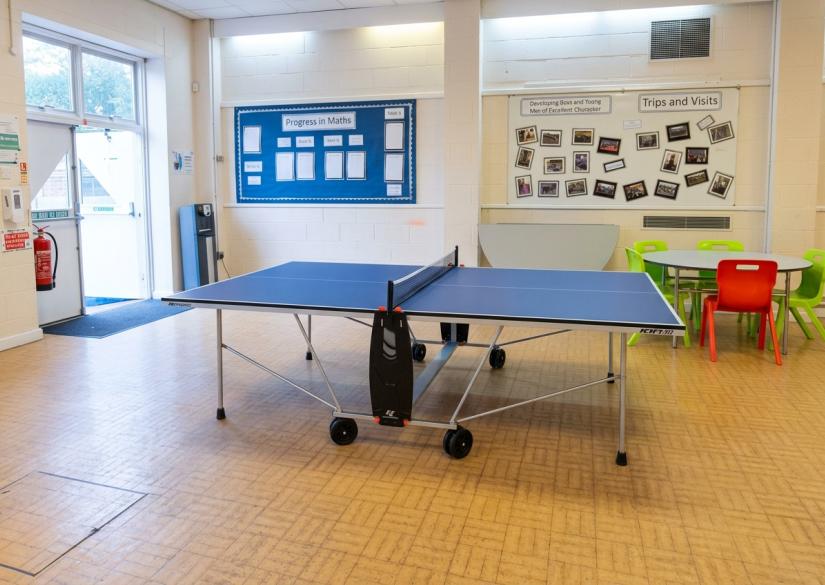
- Sports: rugby, soccer, cricket, track and field, table tennis, tennis, hockey, basketball, fitness and conditioning, and sports leadership,
- Music and performance: concerts, choirs, ensembles, orchestra, individual music tuition, musical productions, and public performances,
- Clubs and projects: coding and computer science, digital media, debate, Mandarin, science clubs, science and technology, academic competitions, volunteering, gardening, creative arts, and leadership initiatives,
- The Duke of Edinburgh's Award program.
The sports program has partnerships with Newcastle United, Newcastle Red Bulls, and South Northumberland Cricket Club. In Junior School, overnight trips are available from Year 1, with international travel from Year 5.
Every Year 12 student contributes to school life by helping with a club or academic lesson for younger pupils.
Advantages
- high-quality education and an individual approach to each student,
- character development and value formation in young people,
- preparation for a successful career and admission to prestigious universities around the world,
- The school is inspected by the Independent School Inspectorate (ISI). According to the school's account of its latest inspections, all areas inspected fully met the requirements. The inspectorate no longer awards graded judgments,
- Teaching takes place in small classes,
- The school's core values are community, integrity, resilience, courage, leadership, and empathy.
Facilities and equipment at The Newcastle School
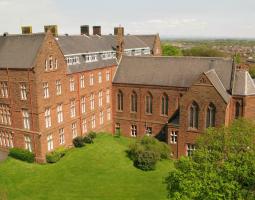
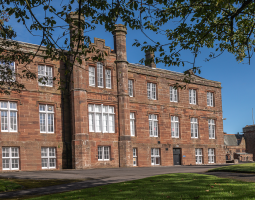
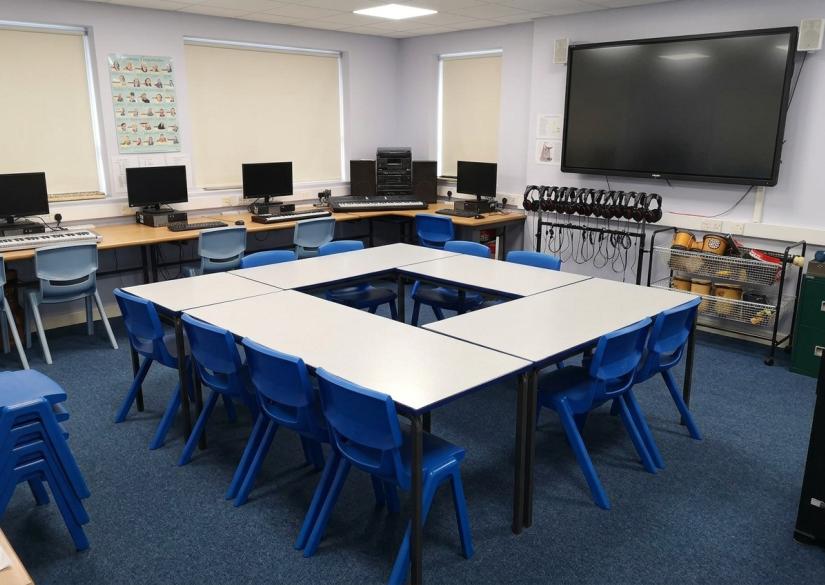
On the territory of Newcastle School for Boys there are a number of sports facilities: rugby, cricket and football fields, a sports hall. In addition to them, the school has music classes, computer laboratories and a library.
The school occupies three sites in Gosforth, all within walking distance of one another. Each is a short walk from South Gosforth Metro Station. Newcastle International Airport is approximately 8.5 miles away, a 15-minute drive from the school.
Pupils use the pitches and practice facilities at South Northumberland Cricket Club for cricket. Rugby lessons, training, and matches take place at Northern Rugby Club. The soccer program uses facilities at Coach Lane Campus, while swimming lessons and training take place at Sport Central.
Pupils gain experience performing in a professional setting at Gosforth Civic Theatre. The school's connection with Live Theatre introduces them to professional performing arts environments.
Admission dates and extra charges
Typically, the school year at Newcastle School for Boys runs from September to July. Specific dates vary at the beginning of each new school year.
Additional costs for students:
- transport,
- nutrition,
- residence,
- medical insurance,
- learning materials beyond those included in tuition,
- excursions and cultural events,
- additional English language lessons.
Tuition includes teaching, academic support, pastoral care, school textbooks, external examination fees, personal accident insurance, and most curriculum-based learning resources. It also includes the provision of a school laptop for pupils in Years 7 to 13.
Tuition can be paid in advance by term or by year. Alternatively, payment can be spread over ten monthly Direct Debit installments from September to June. A non-refundable deposit of six hundred pounds is payable when accepting a place with visa sponsorship.
Before- and after-school care is included in tuition for Nursery, Reception, and Junior School pupils. Breakfast clubs provide supervised care from 7.30am, and after-school clubs run until 6.00pm.
Enrolment process
Admission is available throughout the year, including partway through the school year, subject to places being available.
- Take entrance exams upon request,
- get a suggestion from the school about the options for your child's education,
- Accept the offer and get more information about the start date of the education.
Perspectives
Many male graduates go on to study at some of the most competitive universities: Oxbridge and Russell Group.
The school reports that 100% of pupils secure a place at their chosen university. The academic year to which this figure relates is not specified.
Entry requirements, how to apply, what is required to enrol
- The minimum Nursery attendance is 15 hours per week, spread over two full days or three mornings,
- International applicants undergo academic and English language assessments.
Scholarships The Newcastle School
Newcastle School for Boys sponsors visas, which require non-UK or non-EU citizens to prove their right to stay and study in the country.
Academic, Sport, Music, Art, and All-Round Achievement scholarships are available to pupils entering Year 7 and Year 12. Awards are based on an assessment of ability, achievement, and potential. A standard scholarship may cover up to 50% of tuition, depending on the candidate's performance and award category.
A small number of highly gifted pupils entering Year 12 may receive High-Level Sixth Form Scholarship Awards. In exceptional cases, these can cover up to 100% of school fees. Typical benchmarks for applicants include:
- Academic: a standardized score of 125 or above and results placing the candidate in the top 5% nationally for their age group,
- Music: ABRSM Grade 7 or above, or equivalent, an outstanding portfolio, and demonstrated musical achievement,
- Sport: participation in elite performance pathways, representation at county level or above, or equivalent sporting achievement.
Candidates for High-Level Sixth Form Scholarship Awards undergo entrance and scholarship assessments and must meet Sixth Form entry requirements, including passes in GCSE English and Mathematics.
Means-tested bursary support is available to pupils joining from Year 3 onwards. Assessments take household income and overall family circumstances into account. Support may cover up to 50% of school fees, with greater funding subject to approval by the Governors in exceptional circumstances. Awards are reviewed annually using updated family financial information. Scholarships and bursaries are awarded independently, so a pupil may receive both.
The sibling discount is 10% for a first sibling, 20% for a second, and 33.3% for third and subsequent siblings. Discounts apply to the youngest child or children attending the school.
Institution on the map
Residence permits, citizenship and other services
- Guardianship services during the studies
- Student supervision
Review about The Newcastle School
Recommendations on when to apply
| Language courses, schools and children's language camps | Primary and secondary education - private schools | Preparation programmes for entering universities - higher education | Higher education (after completing accredited programs A-level, IB, High School) - Bachelor, Master, MBA |
| - we recommend to apply 6-9 months before the start of the course (some camps and schools offer discounts for early booking or for lengthy study programs) - there are some very popular and high demand children's camps, where the applications need to be submitted 1 year in advance (in particular Switzerland , Great Britain , USA , Canada , Austria) | - we recommend to apply one year before the start of the training program, - some schools have a specific time frame (September-November - please specify an individual school) - some schools require tests in several stages (UKISET, internal tests of the school: English, mathematics, logics, subjects, interview, some require a personal visit) | - we recommend to apply one year before the start of the program, - for Foundation and Pathway programs, IELTS and TOEFL certificates are usually required, respectively | - recommended submission one year before the start of the program, - the deadline normally closes in January, for TOP HEIs and, as a rule, in March in other universities - for a bachelor, a Foundation or Pathway preparatory program a completed A-level, IB, High School + IELTS / TOEFL are required - for Masters you need a graduated higher education, in some cases you need a pre-Masters program - MBA requires completed higher education, work experience preferably at least 2-3 years, etc. |