Epsom College





In the process of preparing the material, we referenced the following sources: Wikipedia, GOV.UK
Programs and prices, tuition fees in Epsom College


The Epsom College high school education stage involves learning one foreign language, English and mathematics. The course requires excellent knowledge of English literature, history, modern technology, philosophy, theology, theater, chemistry, music, Latin, biology, art history, photography, physics and geography. Children can learn German, Spanish, French and even Chinese.
At Epsom College, the level of incomplete secondary education requires the compulsory studying of physics, biological courses, English and literature, the basics of chemistry, mathematics. Knowledge of these subjects is necessary for the surrender of the international IGCSE. Foreign students study French (predominantly) or Spanish (quite rarely). In-depth study of mathematics will make it possible to hand over AS after 10 years of study, but this depends on the student's desire.
The students choose three additional subjects in the tenth year of study. It can be such directions:
- Computer science;
- Theater;
- Historical course;
- Design and technology;
- Philosophical knowledge of the world;
- Art;
- A course of studying religious doctrines;
- Geography;
- Music;
- Philosophy;
- Latin.
There are additional selective foreign languages - Chinese and German. The college recommends choosing one discipline of the humanitarian direction. The study of the art of photography can act as an unscheduled discipline for the GCSE. Gifted students can enroll in a critical thinking course (AS level), and the passage of physical education, religious studies and PSE is desirable for everyone.
This is a pre-university program aimed at obtaining specialized knowledge. In the first year A-Level students comprehend four sciences (if desired, higher mathematics is added), the second course involves acquaintance with 3 subjects. Additionally, you can prepare for university tests (LNAT, biomedical test (BMAT), SAT, Oxbridge) or take advanced courses:
- Investment theory;
- Enterprise building and development (YES);
- Analytical course;
- EPQ.
A-Level program provides an extensive study of subjects such as mathematics, design technology, photo, sports, music, world political studies, biology, information technology, Greek (on application), business and management, geography, chemistry, theater, for foreign citizens - mother tongue, Latin, philosophy, historical course, art, English, physics and economics. The most popular among foreign languages is French, the college admits the mastery of either German or Spanish. For those who have chosen the direction of the exact sciences, it is planned to study the advanced course of mathematics up to 13 academic hours a week. Aspects of personal growth, career choice and health are studied in the PSHE course.
The international program of pre-university preparation provides for studying at a sophisticated level of up to 28 subjects. Students from this list choose three basic ones. At Epsom College, studying combines theory, practical lessons, and analytical research. The main emphasis of Pre-U is to teach students to think, to consider and analyze all the information received.
This course is chosen by future scientists and researchers, since the requirements of Pre-U are the highest among academic programs.
Pre-U studies in economics, music, sports, philosophies, business, the ancient Greek language (by agreement), chemistry, native language (for foreign students), theatrical skill, biology, English, government and political science, ICT, mathematics, geography, Latin, design technologies, physics, photocourse, Spanish, chemistry, geography, historical complex, French, art, German language.
Description of Epsom College
- Year of foundation: 1855
- Location: Surrey, Epsom
- Age of students: 13-18 years
- Type of education: separate
- Number of students: over 700
- Programs : Secondary school, IGCSE \ GCSE, A-level, Pre-U
- Accommodation: residence
- Ranking: the school is one of the TOP boarding schools in England.
Epsom College was established in 1855 for children from British medical families. Dr John Propert conceived The Medical Benevolent College to feed, clothe, and educate the widows and orphans of medical professionals. Queen Victoria granted royal approval, and Prince Albert formally opened the institution in 1855. It was renamed Epsom College in 1910, and every reigning monarch since Queen Victoria has served as patron.
The Royal Medical Foundation is an independent charity based at the College. It continues this work by providing pensions and grants to doctors and their families in financial hardship.
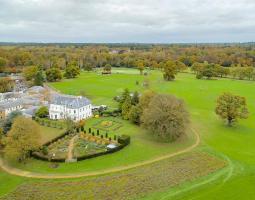
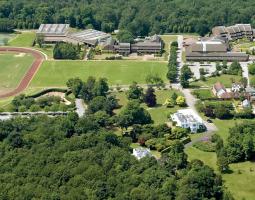
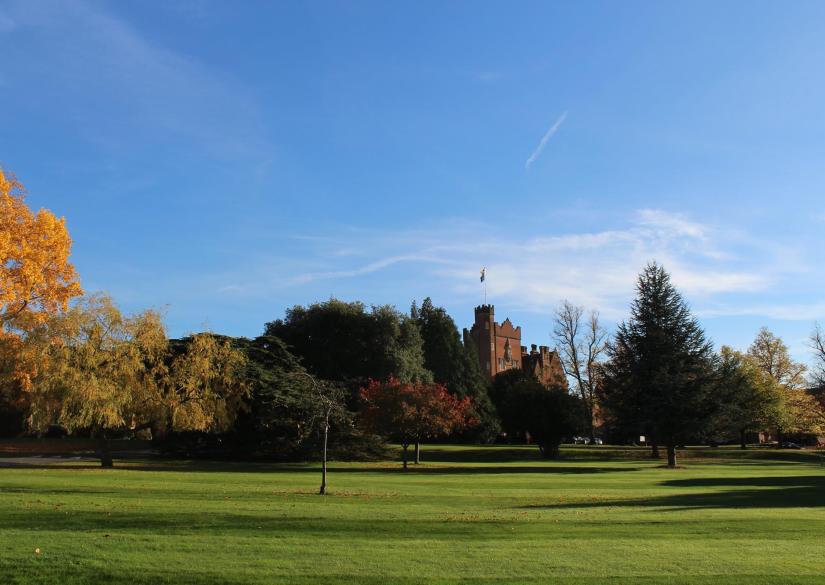
The campus covers more than 30 hectares and is a 10-minute walk from the town of Epsom, about 25 kilometers from London and within easy reach of Gatwick and Heathrow airports. Most pupils are boarders. Pupils represent 26 nationalities, including countries in the EU, China, Malaysia, and Russia.
Alumni include actors, diplomats, journalists, police and military personnel, scientists, doctors, and people in creative professions. The College focuses on languages, ICT, and mathematics and offers the International GCSE program, which is internationally recognized.
Of the College's graduates, 90% progress to highly ranked UK universities and 60% to Russell Group universities. Destinations include Cambridge, Stanford, and Oxford. More than half of pupils achieve A*–A grades at A-level, and more than 70% achieve corresponding high grades at IGCSE or GCSE.
Kindness, Ambition, and Integrity guide school life. The College combines academic study with sports, the arts, character development, and well-being. Its co-curricular program includes more than 150 clubs, societies, and activities, while pupils volunteer an average of 8,500 hours each year with community organizations in Surrey and beyond.
University destinations
Music Scholars have secured places at conservatories, joined national ensembles, and continued to study music at universities.
Accommodation, meals, prices
Epsom College offers full, weekly, and flexible boarding, as well as day attendance. Accommodation comprises seven boys' residences and five girls' residences. Each residence has a living room, cloakroom, kitchen, library, and games room. Bedrooms are furnished and equipped with appliances, including 3D television systems, and free Wi-Fi is available on campus.
The Houses are supported by matrons, a housemaster or housemistress, deputies, and a team of tutors. Flexible weekly boarders have a dedicated bed and may choose which nights to stay. The school recommends four nights per week, but families may divide their time between school and home. At the end of Year 7, pupils can take part in a three-day boarding experience.
Boarders receive three meals a day. They eat breakfast in the dining hall, all pupils have lunch there at staggered times, and supper is available until 7:00 p.m. A daily selection of traditional European dishes is offered. Water, fruit, snacks, and milk remain available between meals, and individual meal plans can be arranged for pupils with specific dietary requirements.
House bedtimes are 10:00 p.m. for Year 9, 10:10 p.m. for Year 10, 10:20 p.m. for Year 11, and 10:30 p.m. for Sixth Form.
Subjects and sports
Activities Epsom College
The co-curricular program includes sports, clubs, societies, community service, and the Duke of Edinburgh’s Award. The school’s sports listings include 33 football teams, 31 hockey teams, 40 netball teams, and 27 rugby union teams.
Drama activities include:
- Theater-related workshops and an annual themed dinner for Drama Scholars,
- A Senior Play for Years 10–13 during the fall term,
- A Senior Musical for Years 10–13 during the spring term,
- Two Junior Productions during the summer term.
Advantages
- Studying the new Cambridge Pre-U program in the areas of English and literature, Chinese.
- Qualitative support for children with special needs in the field of education. At Epsom College, English is taught (EAL course) by students for whom it is not native. Other additional classes are offered on a fee basis.
- Educational programs at the boarding school, in addition to academic knowledge, give students the opportunity to develop personal qualities, in particular independence, creativity, decision-making skills, and prioritization.
- The school is famous for its extensive sports programs. There are 25 kinds of sports offered to students.
- A wide range of study groups practically does not restrict students in the choice of extracurricular activities. The school develops a lot of creative directions, starting with the musical, ending with the artistic.
Facilities and equipment at Epsom College
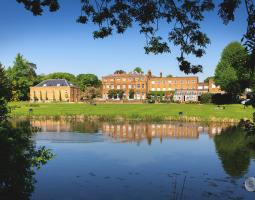
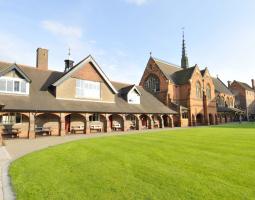
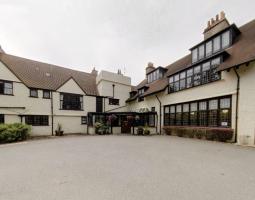
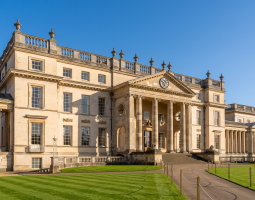
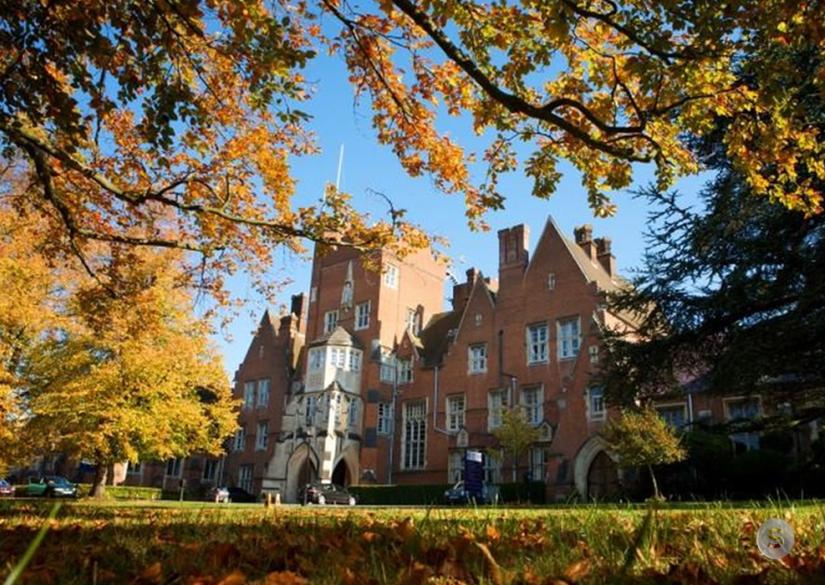
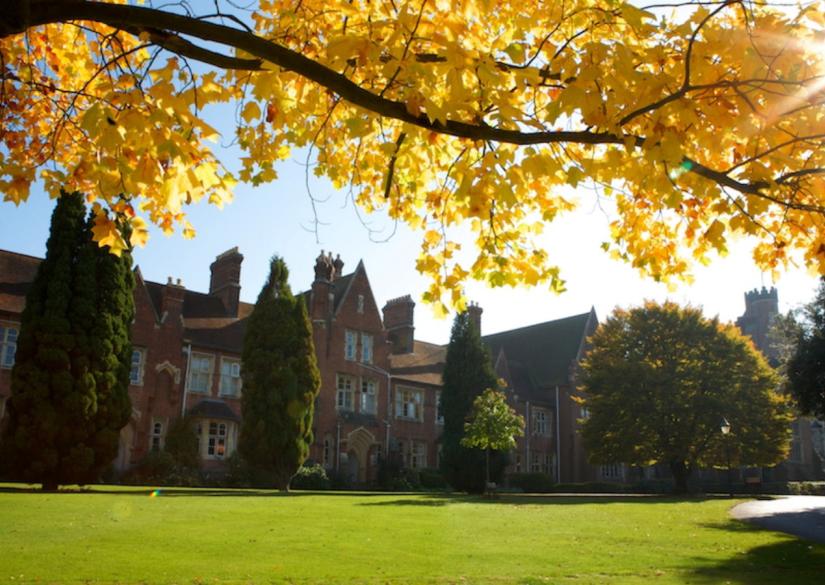
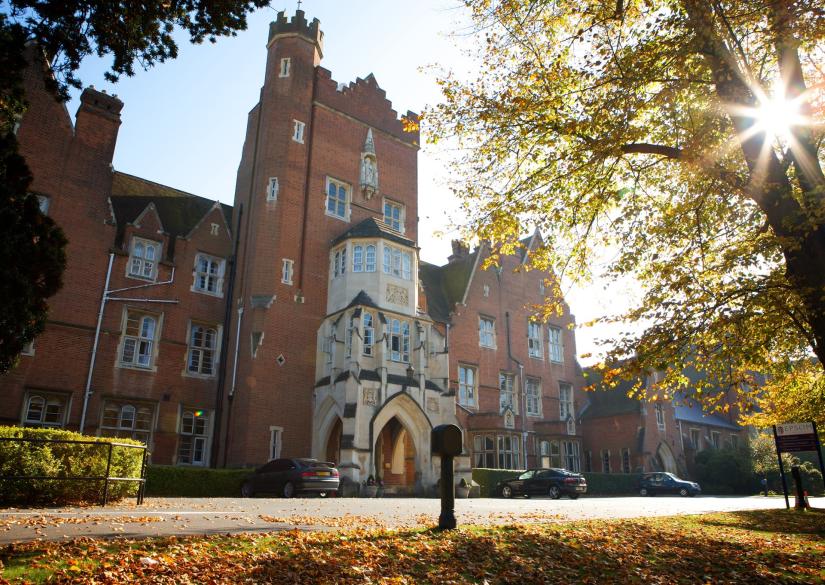
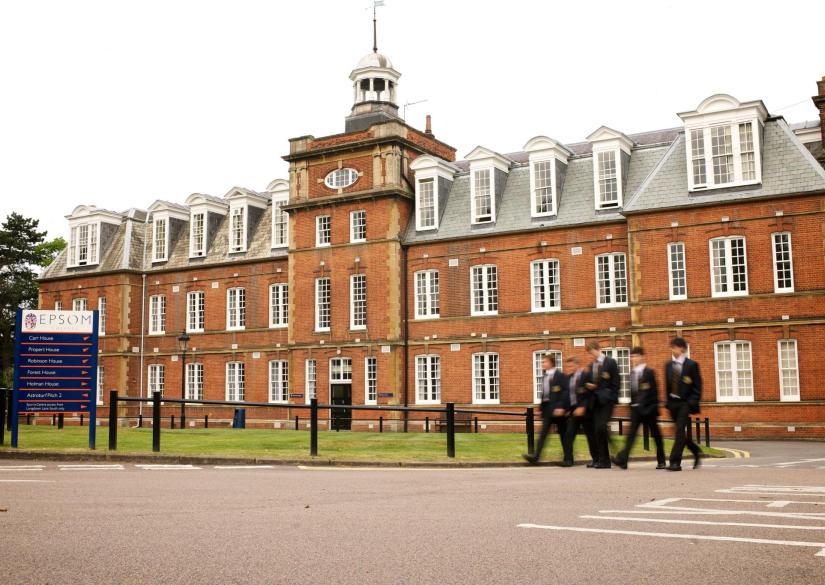
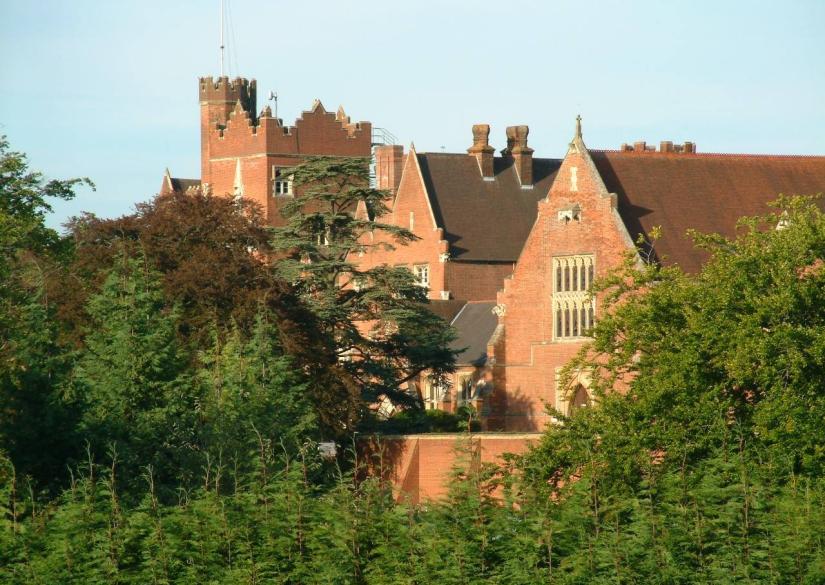
Most of Epsom College's buildings are Victorian and have been renovated inside for modern use. Classrooms, laboratories, lecture rooms, and other teaching spaces are equipped for study.
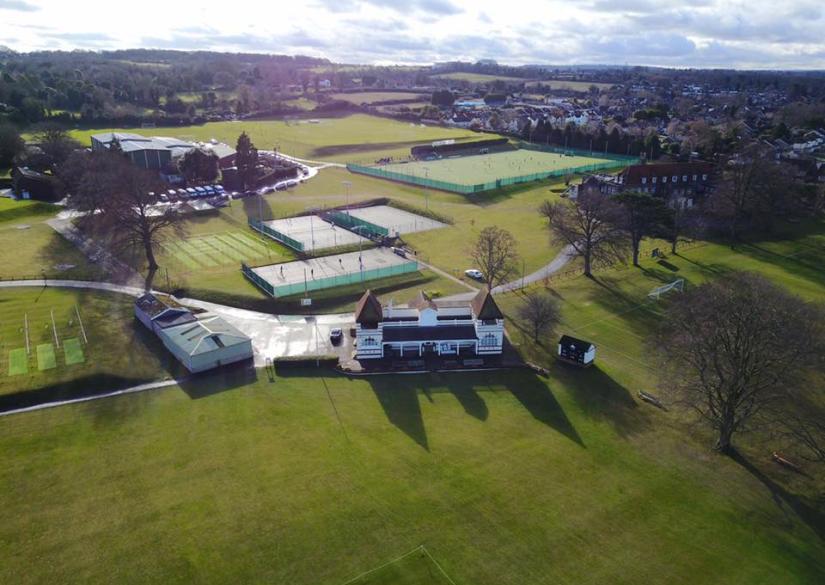
Facilities include an indoor swimming pool, playing fields, tennis courts, a large sports center, sports grounds, a dance hall, and a stable.
The campus is within the M25. London is about 30 minutes away by train, while Gatwick and Heathrow airports are less than an hour away by road. School coaches and minibuses serve an extensive route network, including a shuttle to and from the train station.
Admission dates and extra charges
The academic year begins in September and has three terms. The autumn term runs through December, the spring term runs from January to March, and the summer term runs from April to June, with a vacation in May.
School fees cover stationery, books, meals, and snacks, as well as accommodation and laundry for boarders. The nonrefundable registration fee is £300 per pupil, and a £4,000 deposit is required when an offer is accepted.
Examination fees, music lessons, private tutoring, additional English lessons (EFL), certain Combined Cadet Force expenses, theater tickets, vacation trips, social events, some activities, and curator or guardian agency services are charged separately.
Extras:
- Registration fee (for a programme/course) 200 GBP
- Deposit for a course/programme 3000 GBP
- Deposit for a course/programme 10000 GBP
Enrolment process
Sixth Form interviews may take place online or in person. An offered place changes from conditional to unconditional after the school receives the applicant’s GCSE results and confirms that all entry requirements have been met.
Smapse specialists provide guidance throughout every stage of the admissions process.
Perspectives
Department for Education tables ranked Epsom College in the top 3% of UK schools for educational value added.
Results for 2025 included:
- 91% of A-level results at A*–B,
- 62% of A-level results at A*–A,
- 35% of pupils earning A* or A in every A-level subject,
- 87% of GCSE results at grades 9–7,
- 67% of GCSE results at grades 9–8,
- Half of pupils earning grades 9–7 in every GCSE subject,
- 90% of Sixth Form leavers accepted by their first-choice university.
Literature and references

Institution on the map
Residence permits, citizenship and other services
- Guardianship services during the studies
- Student supervision
Review about Epsom College
Recommendations on when to apply
| Language courses, schools and children's language camps | Primary and secondary education - private schools | Preparation programmes for entering universities - higher education | Higher education (after completing accredited programs A-level, IB, High School) - Bachelor, Master, MBA |
| - we recommend to apply 6-9 months before the start of the course (some camps and schools offer discounts for early booking or for lengthy study programs) - there are some very popular and high demand children's camps, where the applications need to be submitted 1 year in advance (in particular Switzerland , Great Britain , USA , Canada , Austria) | - we recommend to apply one year before the start of the training program, - some schools have a specific time frame (September-November - please specify an individual school) - some schools require tests in several stages (UKISET, internal tests of the school: English, mathematics, logics, subjects, interview, some require a personal visit) | - we recommend to apply one year before the start of the program, - for Foundation and Pathway programs, IELTS and TOEFL certificates are usually required, respectively | - recommended submission one year before the start of the program, - the deadline normally closes in January, for TOP HEIs and, as a rule, in March in other universities - for a bachelor, a Foundation or Pathway preparatory program a completed A-level, IB, High School + IELTS / TOEFL are required - for Masters you need a graduated higher education, in some cases you need a pre-Masters program - MBA requires completed higher education, work experience preferably at least 2-3 years, etc. |