

Study international relations in Switzerland - 5 institutions
- Advantages of studying international relations in Switzerland for international students
- Career prospects after studying at schools with international relations programs in Switzerland
- Admission requirements for international students enrolling in international relations courses at Swiss universities
- Top 4 Educational Courses in International Relations in Switzerland
-
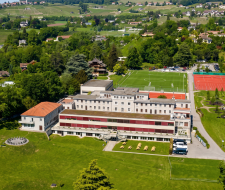 In 2023: 37 IB average, 43 highest point, 100% pass rate
SwitzerlandMontreuxCurrently watching: 8from 31900.00 CHF / year
In 2023: 37 IB average, 43 highest point, 100% pass rate
SwitzerlandMontreuxCurrently watching: 8from 31900.00 CHF / year -
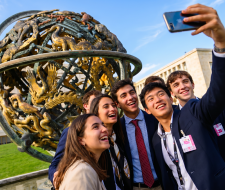 7th Best Business Schools Switzerland
SwitzerlandGenevaCurrently watching: 3from 10350 CHF / semester
7th Best Business Schools Switzerland
SwitzerlandGenevaCurrently watching: 3from 10350 CHF / semester -
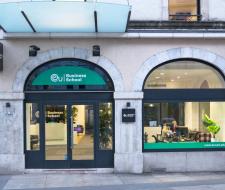 Top-50 best Marketing programs in the world
SwitzerlandGenevaCurrently watching: 5from 4050 CHF / semester
Top-50 best Marketing programs in the world
SwitzerlandGenevaCurrently watching: 5from 4050 CHF / semester -
 10 Best universities for International Relations and Diplomacy in Switzerland
SwitzerlandGenevaCurrently watching: 1from 10968.00 € / year
10 Best universities for International Relations and Diplomacy in Switzerland
SwitzerlandGenevaCurrently watching: 1from 10968.00 € / year -
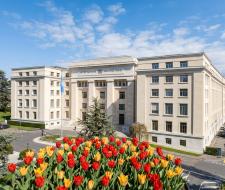 is one of the top universities in Geneva, Switzerland
SwitzerlandGenevaCurrently watching: 2from 11880.00 £ / year
is one of the top universities in Geneva, Switzerland
SwitzerlandGenevaCurrently watching: 2from 11880.00 £ / year
-

-
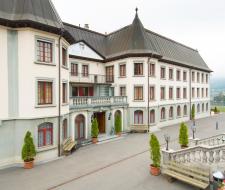 In 2023 a quarter of the IB students gained 34 points or higher
SwitzerlandMontreux
In 2023 a quarter of the IB students gained 34 points or higher
SwitzerlandMontreux -
-

-
 The school helps with admission to public universities in Switzerland
SwitzerlandBasel
The school helps with admission to public universities in Switzerland
SwitzerlandBasel -
 One of the best only-girl school in Europe
SwitzerlandMontreux
One of the best only-girl school in Europe
SwitzerlandMontreux -
 School is in top 3 best bilingual boarding schools in French speaking part of Switzerland
SwitzerlandLausanne
School is in top 3 best bilingual boarding schools in French speaking part of Switzerland
SwitzerlandLausanne -
 ranked 7th worldwide (first in Switzerland)
SwitzerlandZürich
ranked 7th worldwide (first in Switzerland)
SwitzerlandZürich
Switzerland is an outstanding choice for studying international relations — not only because of its top-tier education but also because it gives your career a real boost, fast. As a multicultural hub, the country opens up diverse paths and fresh perspectives in the fields of international relations and political science. Many global organizations are based here, including the World Health Organization, the World Intellectual Property Organization, the International Committee of the Red Cross, and the United Nations, to name just a few. Often seen as the world's capital of peace and diplomacy, Switzerland is also home to the International Telecommunication Union and the Reuters European Communication Centre.
International students can choose between public and private institutions, such as universities, colleges, and specialized schools.
Alternative destinations
Advantages of studying international relations in Switzerland for international students
- A major plus of studying international relations in Switzerland is the diverse internship opportunities. With international organizations and diplomatic missions right on your doorstep, you can easily gain hands-on experience in the field.
- Switzerland is also one of the world's leading financial centers, especially in private wealth management.
- The country has four official languages—German, French, Italian, and Romansh—so studying here is a great way to improve your language skills and become fluent in major European languages.
- Thanks to its political neutrality, Switzerland offers a diverse and welcoming learning environment that draws students from all over the globe. This multicultural atmosphere nurtures a global mindset and encourages openness and objectivity—key qualities for a successful career in international relations.
- Beyond academics, studying in Switzerland is a rich cultural experience. From breathtaking landscapes and historic cities to a lively cultural scene, there's no shortage of opportunities for exploration and relaxation.
- With its central location in Europe, you can easily travel to other countries, making your cultural experience even broader.
Career prospects after studying at schools with international relations programs in Switzerland
Upon obtaining the status of a specialist in the field of international relations, foreign students have the opportunity to build a career in decision-making in the areas of global governance and diplomatic services, international organizations, corporate business, and non-profit organizations. Due to regular and rapid changes in today's global environment, international cooperation is of vital importance, as its primary goal is to facilitate the mobility of resources and people between countries. Diplomats today play a strategic role, serving as a bridge for dialogue between different cultures, fostering the development of relationships, and striving to resolve any existing disagreements through peaceful means.
After graduating from the faculty of international relations in Switzerland, foreign students can work as:
- Diplomatic service officers,
- Government social research specialists,
- International aid or development specialists,
- Policy specialists,
- Political risk analysts,
- Public relations consultants,
- Radio journalists,
- External auditors,
- Teachers,
- Risk managers,
- Lawyers.
Admission requirements for international students enrolling in international relations courses at Swiss universities
To be able to study in Switzerland, foreign students need not only a reliable bank account but also strong academic recommendations, and they must possess good language skills confirmed by the relevant certificates.
Most public institutions require the following documents from applicants:
- A certificate of completion of secondary school in the home country with an above-average grade point average sufficient to obtain a diploma (when enrolling in a bachelor's program),
- Supporting documents confirming that the applicant has already completed one or more years of study at a university in their home country.
Each educational institution in Switzerland may ask foreign applicants to provide various official documents, such as transcripts from previous educational institutions.
It’s a good idea to start your application process about 4 to 10 months before you plan to begin your studies. Doing so will help you secure the best possible admission conditions and avoid unnecessary stress. While Swiss schools, colleges, and universities each set their own application deadlines, most follow a general timeline with two main intake periods per year:
-
For the spring semester (starting in February), the application process runs from December to January. It’s best to submit your documents by February 28 at the latest during the autumn semester.
-
For the autumn semester (starting in September), the application period spans from February to August. Try to submit your documents no later than September 30 during the spring semester.
Top 4 Educational Courses in International Relations in Switzerland
- EU Business School
This school holds the EduQua quality mark, and its programs are accredited by ACBSP and IACBE—both recognized by CHEA. It also partners with universities like the University of Derby and the University of Roehampton to offer accredited degrees. Through close ties with real businesses and professionals, students have the opportunity to visit companies and talk with experts, gaining hands-on business insight.
- Geneva School of Diplomacy and International Relations
An exclusive university offers great networking opportunities through interactive classes, guest lectures, and connections with international organizations. The faculty consists of professors and ambassadors who teach with a combination of theory and practice, preparing students to tackle real-world challenges in international relations and analysis.
- The Graduate Institute of International and Development Studies
A research-focused institution that looks at global affairs, especially international relations and development issues. It’s dedicated to fostering international cooperation and helping developing societies move forward. The faculty encourages creative thinking on major global challenges, strengthens a sense of global responsibility, and promotes respect for diversity.
- University of St. Gallen
Specializing in business administration, economics, law, and international relations, this university offers a great mix of research and hands-on experience. Students can design their own study paths through contextual learning and specialized electives, and they also have the chance to join exchange programs with partner universities worldwide or take part in mentorship programs.